Cost Control and Process Optimization in Injection Molding: A Practical Guide for Mold Engineers
September 05, 2026
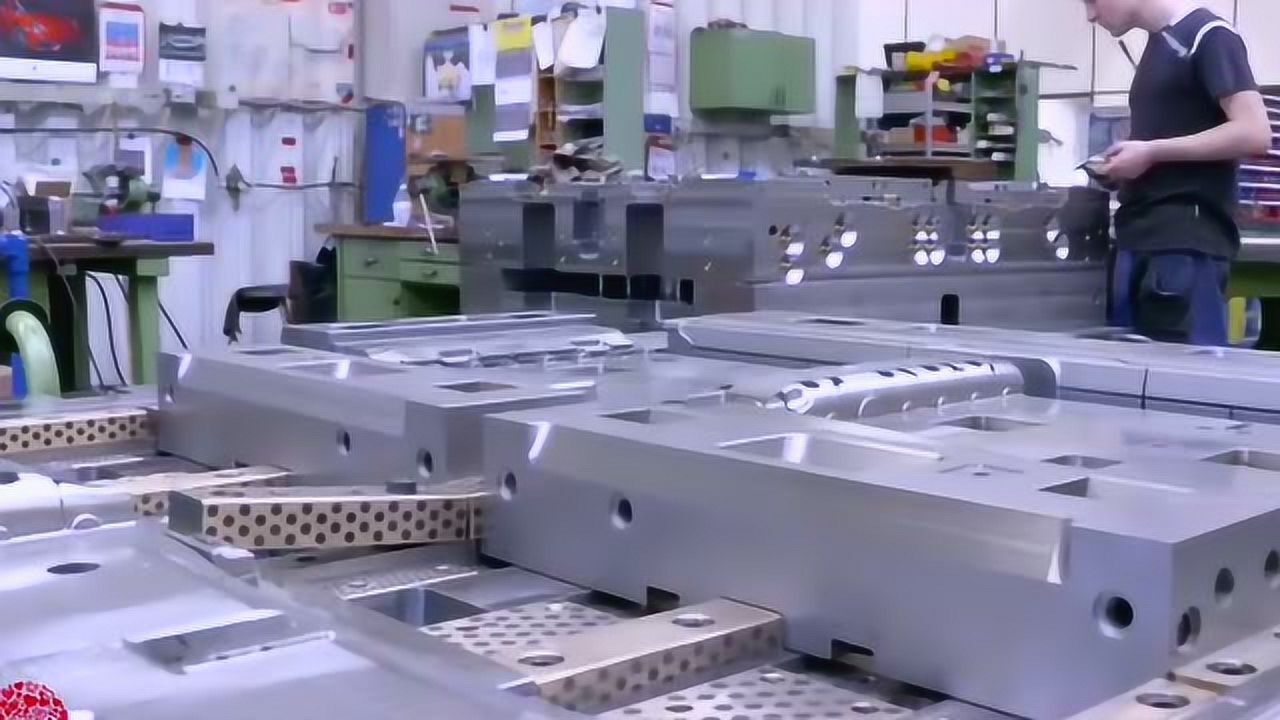
In injection molding, the cost per part is not just about material price—it’s a function of cycle time, scrap rate, and tooling longevity. For a typical 120-ton press running a 30-second cycle, a 2-second reduction in cooling time can lower annual energy costs by roughly 3–5%, while also improving dimensional stability. The real lever, however, is melt temperature and holding pressure. Running a semi-crystalline resin like POM at 190°C instead of 205°C may reduce warpage by up to 15%, but it risks incomplete filling if the mold steel has poor thermal conductivity. Our shop found that using conformal cooling channels in the core—machined via additive manufacturing—cut cycle time by 11% on a 45-second part, without altering the gate geometry. That’s the kind of data-driven tweak that pays for itself in under three months.
Process parameter optimization must also account for shrinkage variation across cavity pressure. For a 100-mm-long ABS part, a holding pressure increase from 60 to 75 MPa reduced shrinkage from 0.7% to 0.55%, but it raised residual stress near the gate, leading to stress cracking in subsequent assembly. The fix was a two-stage holding profile: high pressure for 2 seconds, then a 30% drop for the remaining 4 seconds. This balanced packing density and ejection force, cutting rejections from 4.2% to 1.1%. On the cost side, monitoring clamp tonnage and screw recovery time every 50 cycles—rather than relying on periodic manual checks—helped us catch a worn check ring early, avoiding a 6-hour downtime event that would have cost $1,800 in lost output. Small sensors on the nozzle pressure transducer are worth the investment if you run high-volume commodity parts.
Ultimately, the cheapest part is the one that runs right the first time. That means documenting every parameter change and correlating it with part weight and flash data. In our facility, we maintain a digital log for each mold, recording melt temperature, back pressure, and cooling time for every batch. When a customer requests a new color or a resin lot changes, we compare against that baseline before touching the machine. It’s not glamorous, but it reduces debug cycles by 30% and extends mold life by reducing thermal shock. If you’re sourcing molds or looking for process benchmarks, visiting MoldWorld (www.moldw.com) gives you access to a network of toolmakers and injection specialists who share real cycle-time data and cost breakdowns—worth a look before your next quoting round.