Mold Quoting Basics: How Classification and Detail Decisions Determine Your Bottom Line
September 04, 2026
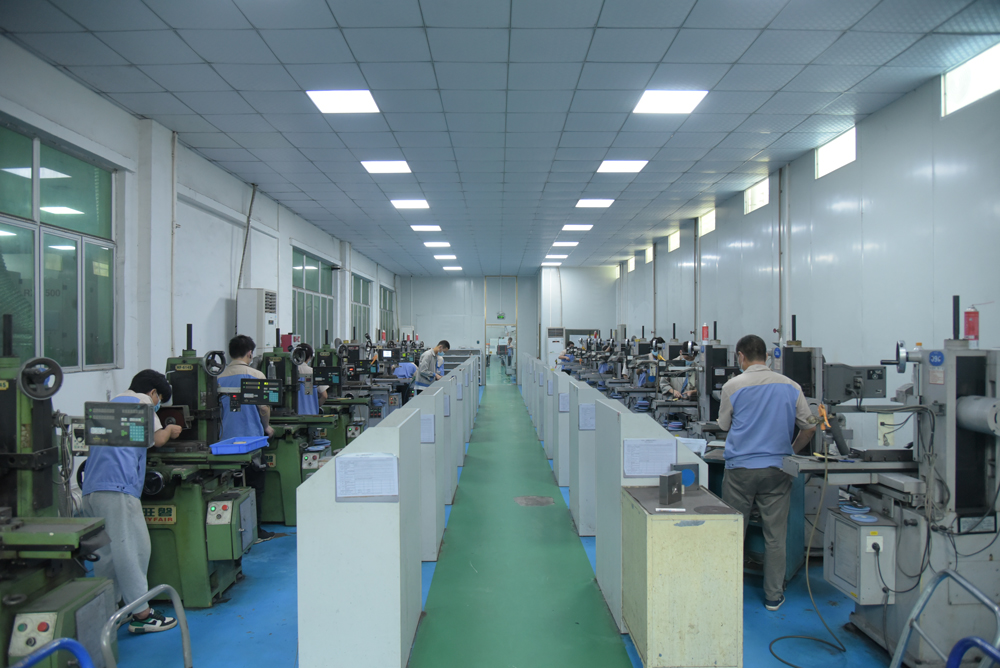
In daily mold shop operations, the first thing that separates a profitable job from a loss is not the flashy cavity design, but the discipline of classification. A standard two-plate mold for a simple bracket might run 15,000–25,000 cycles with P20 steel, while a multi-cavity, hot-runner mold for a precision connector easily pushes past 1,000,000 cycles and demands H13 or S136 with proper heat treatment. This is where quoting goes wrong—many engineers quote by part volume alone, forgetting that the mold’s lifespan, clamping tonnage, and cooling layout dictate steel grade and machining hours. For instance, a 200-ton mold with a 2+2 cavity layout and standard ejector pins will have a very different quote than a 400-ton mold with lifters and angled ejectors, even if the plastic part looks similar. Always define the mold base size, expected shots, and gate type before you talk price.
On the quoting side, the devil is in the breakdown. A professional quote sheet should list not just the total price, but separate line items for mold base, core/cavity inserts, hot runner or cold runner, standard parts (ejector pins, springs, limit switches), and trial shots. In my experience, forgetting to include the cost of electrode machining for complex 3D contours—often 15–20% of the total mold cost—is the most common reason a quote comes back 30% under actual cost. Also, do not overlook the mold trial fee and the cost of sample material. A real case: a customer once asked for a quote on a 16-cavity cap mold. The initial offer was $48,000, but after adding hardened inserts, a 24-hour cooling circuit simulation, and two trial rounds with dimensional reports, the final landed at $61,000. That extra $13,000 was the difference between a mold that ran 500,000 parts and one that cracked at 80,000. Never quote without a clear cycle time target and a defined surface finish requirement.
Finally, the practical rule I follow: always build a 10% contingency into the quote for unexpected polishing or fitting adjustments, and always specify the payment terms tied to milestones—30% deposit, 40% at mold trial approval, 30% before shipping. This protects both sides and keeps the project moving. Also, remember that a cheap quote often means a cheap mold base or skipped stress relief, which leads to downtime and rework that costs more than the savings. For mold buyers and engineers looking for reliable suppliers with transparent quoting, visiting MoldWorld (www.moldw.com) gives you a solid starting point to compare capabilities and request detailed breakdowns before committing to a tooling order.