Injection Molded Plastic Parts: A Practical Guide to Process, Cost, and Defect Control
September 04, 2026
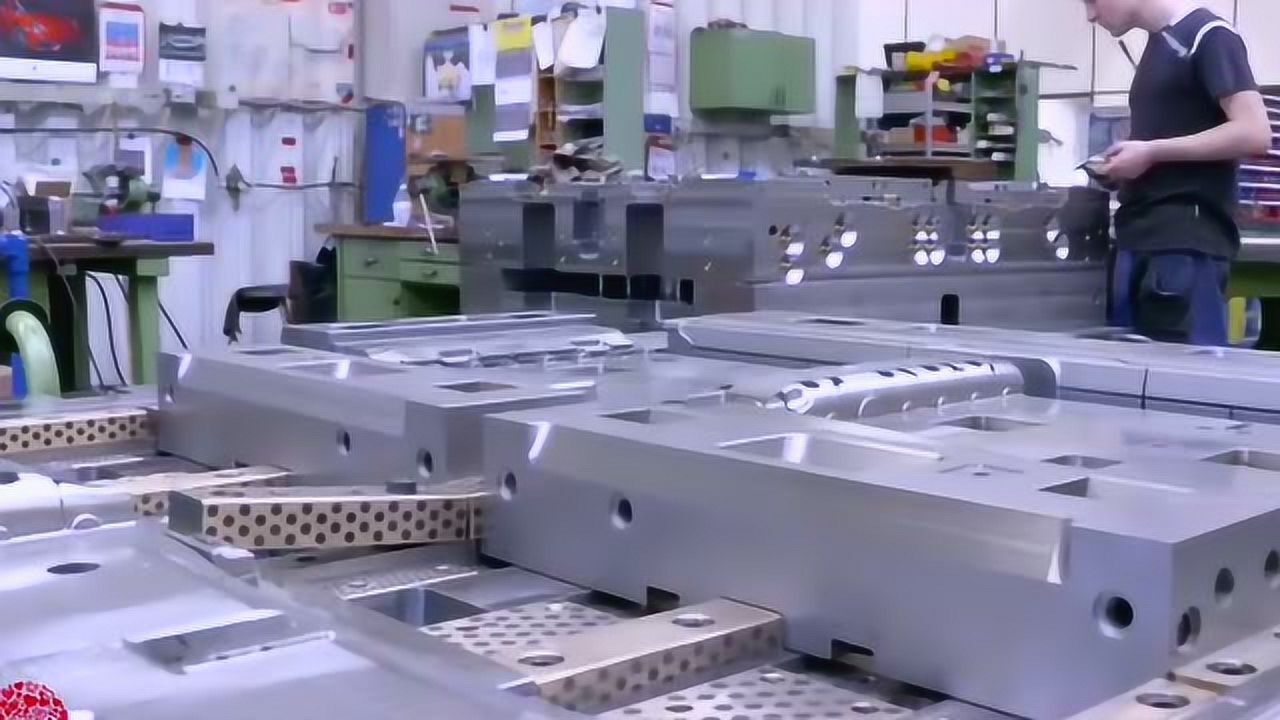
Injection molding remains the workhorse of high-volume plastic part production, but its success hinges on understanding the interplay between material behavior, machine settings, and mold geometry. For a typical amorphous resin like ABS, melt temperature should be held between 210–250°C, while semi-crystalline materials such as nylon 66 require 270–300°C to ensure proper flow and crystallization. Injection pressure often ranges from 600 to 1,200 bar, depending on wall thickness and flow length. A critical rule of thumb: keep wall thickness uniform within ±0.1 mm to avoid sink marks and warpage. Cooling time, which can take up to 70% of the cycle, is roughly proportional to the square of the wall thickness—so a 2.0 mm wall cools about four times faster than a 4.0 mm wall. For molders, this directly sets the cycle time and, ultimately, the piece price.
Cost estimation for a molded part goes far beyond resin price. A practical breakdown includes material (typically 20–30% of total cost), machine hour rate (often $50–$150/hr depending on tonnage), and mold amortization. A simple two-plate mold for a small part might cost $8,000–$15,000, while a multi-cavity hot runner tool with side actions can easily exceed $80,000. Cavity count is a major lever: going from 1 to 8 cavities can cut per-part cost by 40–60%, but only if annual volume justifies the tooling investment. Also, remember to factor in gate type—edge gates are cheapest, but submarine or valve gates add $2,000–$5,000 per cavity but reduce secondary trimming. For molded-in threads or snap fits, side cores and lifters add complexity, raising both tool cost and cycle time by 5–15%.
Defects are the molder’s daily battle. Short shots often stem from insufficient injection pressure or poor venting—check gate size and add vent channels 0.02–0.04 mm deep on the parting line. Flash, on the other hand, indicates excessive clamp force or worn tool steel; verify the press’s actual tonnage against the projected area. Sink marks near ribs or bosses can be mitigated by increasing packing pressure or reducing rib thickness to 60% of the nominal wall. Warpage in crystalline materials is frequently traced to uneven cooling—balance the mold’s cooling circuit and keep water temperature within ±3°C across cavities. For black specks or burn marks, purge the barrel and check for degraded resin in hot runner tips. If you’re sourcing a new tool or struggling with a stubborn defect, a detailed DFM review with the mold maker before steel cutting saves weeks later. For more mold sourcing and troubleshooting insights, visit MoldWorld at www.moldw.com.