Die Casting’s Core Logic: Forcing Metal In, Not Letting It Flow
September 03, 2026
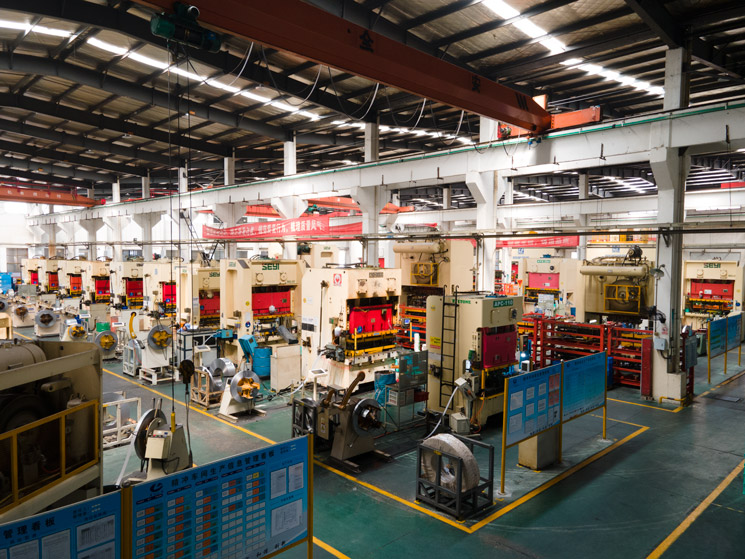
In die casting, the fundamental difference from gravity casting or low-pressure casting is that molten metal is not expected to fill the cavity by its own flow behavior. Instead, a shot sleeve and plunger system drive the liquid metal into the mold at velocities typically ranging from 1 to 5 m/s during the slow shot phase, then 30 to 60 m/s during the fast shot phase, with intensification pressures often exceeding 80 MPa. This is the core logic: you are not “pouring” metal; you are “forcing” it. For mold engineers, this changes everything—gate design, venting layout, and thermal balance must all assume turbulent, high-speed filling. A common mistake is designing gates as if the metal will naturally flow to thin sections; in reality, the gate must act as a controlled choke, converting kinetic energy into cavity pressure to ensure complete replication of the mold surface.
The practical consequence is that die casting molds require far more attention to venting and overflow than most engineers expect. At filling speeds above 30 m/s, the metal front becomes atomized, and trapped air or gas from die lubricant cannot escape through normal clearances. This is why real-world die casting dies use vacuum systems that pull chamber pressure down to 50–100 mbar before injection, or why they incorporate large overflow wells that capture the first, most contaminated metal. For instance, in aluminum alloy ADC12, a typical cold chamber machine will use a biscuit thickness of 15–25 mm, and the plunger tip must maintain a constant velocity profile to avoid premature solidification. If the slow shot speed is too low, the metal cools in the sleeve and forms cold flakes; if too high, it entraps air. The window is narrow, and the mold designer must specify the exact shot profile, not just the cavity geometry.
From a maintenance and troubleshooting standpoint, understanding this “press-in” logic helps diagnose porosity and surface defects. If you see shrinkage porosity near thick walls, the intensification pressure may not be reaching the cavity because the gate froze too early—so the gate thickness must be increased. If you see flow lines or cold shuts, the fill time is too long relative to the solidification time; reducing the gate area or increasing the fast shot velocity can help. These are not theoretical issues but daily realities in die casting shops. The mold is not a passive container; it is a pressure vessel that must withstand cyclic thermal shock and high clamping forces, often 200–400 tons for small parts and up to 3,000 tons for large automotive housings. For more practical insights on gating ratios, venting areas, and alloy-specific parameters, visit MoldWorld (www.moldw.com), where working mold engineers share sourcing and design data that textbooks rarely cover.