Stamping: The Battle Between Force and Form, and the Gap That Decides It All
September 02, 2026
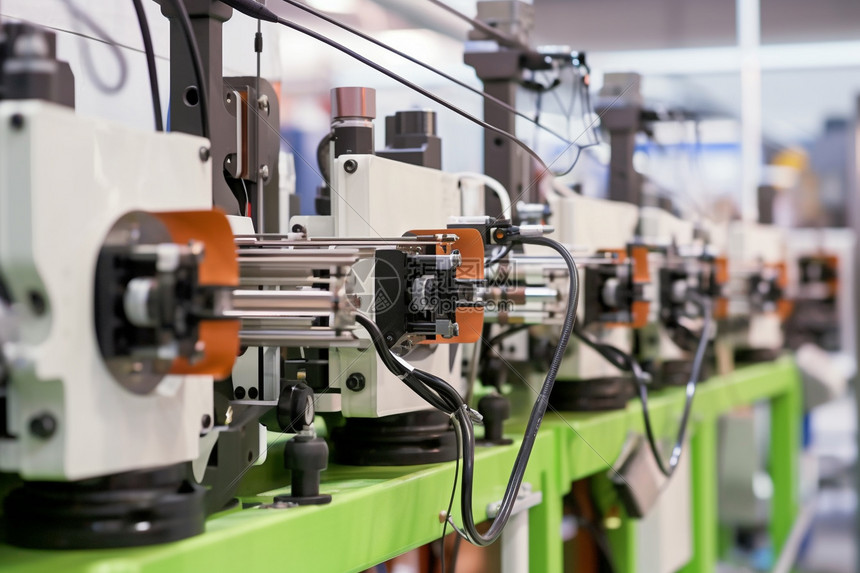
At its core, stamping is a contest between applied force and material resistance. A press drives a die set against sheet metal, forcing plastic deformation or separation until the blank takes the intended shape and size. But any mold engineer will tell you that the clean animations of a press cycle hide a far messier reality. The moment you start cutting, the clearance between punch and die becomes the single most influential variable. Get it wrong, and you are not just chasing dimensional tolerance—you are fighting tool wear, burr height, and die roll all at once.
Take the classic blanking operation on SPCC cold-rolled steel. At 1.0 mm thickness, the recommended single-side clearance sits between 6% and 8% of material thickness—that is, 0.06 to 0.08 mm per side. This is not a guess; it is a window validated by thousands of trial hits. Too tight, and the cutting edges dull prematurely, increasing press tonnage and leaving a burnished zone that looks like a torn edge. Too loose, and you get a pronounced rollover, a thick burr, and a fracture angle that compromises part flatness. For production dies, we also factor in the material’s tensile strength and the press’s rigidity—softer steels can tolerate the lower end, while high-strength grades push you toward the upper limit or beyond.
Beyond clearance, the engineer must manage stripper pressure, cutting speed, and lubrication—each interacting with the gap to determine the final edge quality. A slight change in coil hardness or coating can shift the optimal window, which is why we always run a small trial batch before committing to full production. The goal is a clean shear zone with minimal secondary finishing, because every extra operation adds cost and lead time. For practical guidance on die design, material selection, or troubleshooting stamping defects, visiting MoldWorld at www.moldw.com gives you access to a broader sourcing network and technical references from working mold shops.