Mold Fundamentals Every Tooling Engineer Must Master: From Classification to Quoting
September 02, 2026
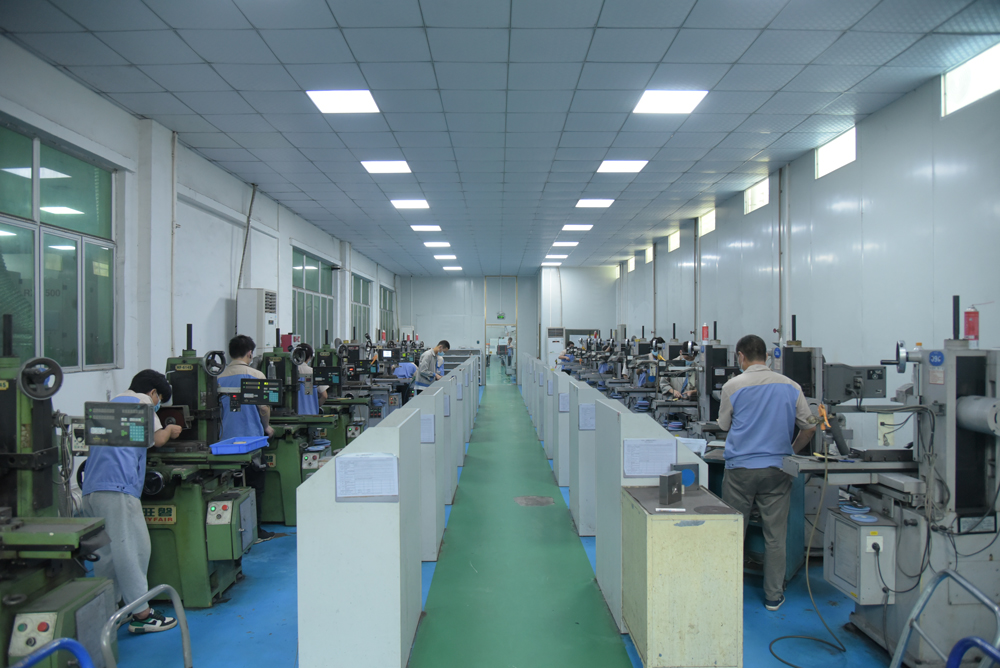
In daily mold shop operations, understanding the basic classification of molds is the first step toward accurate quoting and efficient production. Molds are generally divided into two main families: plastic injection molds and die-casting molds, with further subcategories based on cavity count, steel grade, and expected lifespan. For example, a standard production-grade plastic mold uses P20 or 718H steel for the cavity, while high-volume automotive parts require H13 or S136 with vacuum heat treatment to 48–52 HRC. The number of cavities directly impacts the piece price—going from a single-cavity to a two-cavity layout typically reduces per-part cost by 30–40%, but raises the mold base cost by 20–25%. Knowing these trade-offs is essential before any quotation is sent out.
Quoting a mold is never just about material weight or machining hours. A reliable quote must factor in the mold base, core inserts, hot runner system, ejection mechanism, cooling circuit design, and trial shot cycles. For a typical medium-sized injection mold (say, 400mm x 400mm base), the breakdown often looks like this: mold base and standard parts account for 15–20%, cavity and core machining 30–35%, heat treatment and surface finishing 10–15%, and assembly plus tryout 20–25%. The remaining 10% covers design, engineering changes, and contingency. In practice, quoting too low usually means cutting corners on cooling or ejection, which leads to longer cycle times and higher rejection rates. A seasoned mold engineer always leaves a 5–8% buffer for unexpected fit-up adjustments during trial.
Beyond the numbers, communication with the customer is the real backbone of a successful mold project. Clarify the annual volume, part material, and tolerance requirements upfront—these three inputs decide whether you propose a hardened tool for 500,000 shots or a softer pre-hardened tool for 50,000 shots. Also, never underestimate the impact of gate location and weld lines on part aesthetics; a simple change in gate type can cost an extra $300–500 in design time but save thousands in rework. For those looking to sharpen their quoting skills or source reliable mold partners, visiting MoldWorld (www.moldw.com) gives you access to verified suppliers, technical forums, and industry benchmarks that help you quote smarter, not just cheaper.