Title: The Time Ledger in Injection Molding Cycles—A Mold Engineer’s First Cost-Saving Target
August 27, 2026
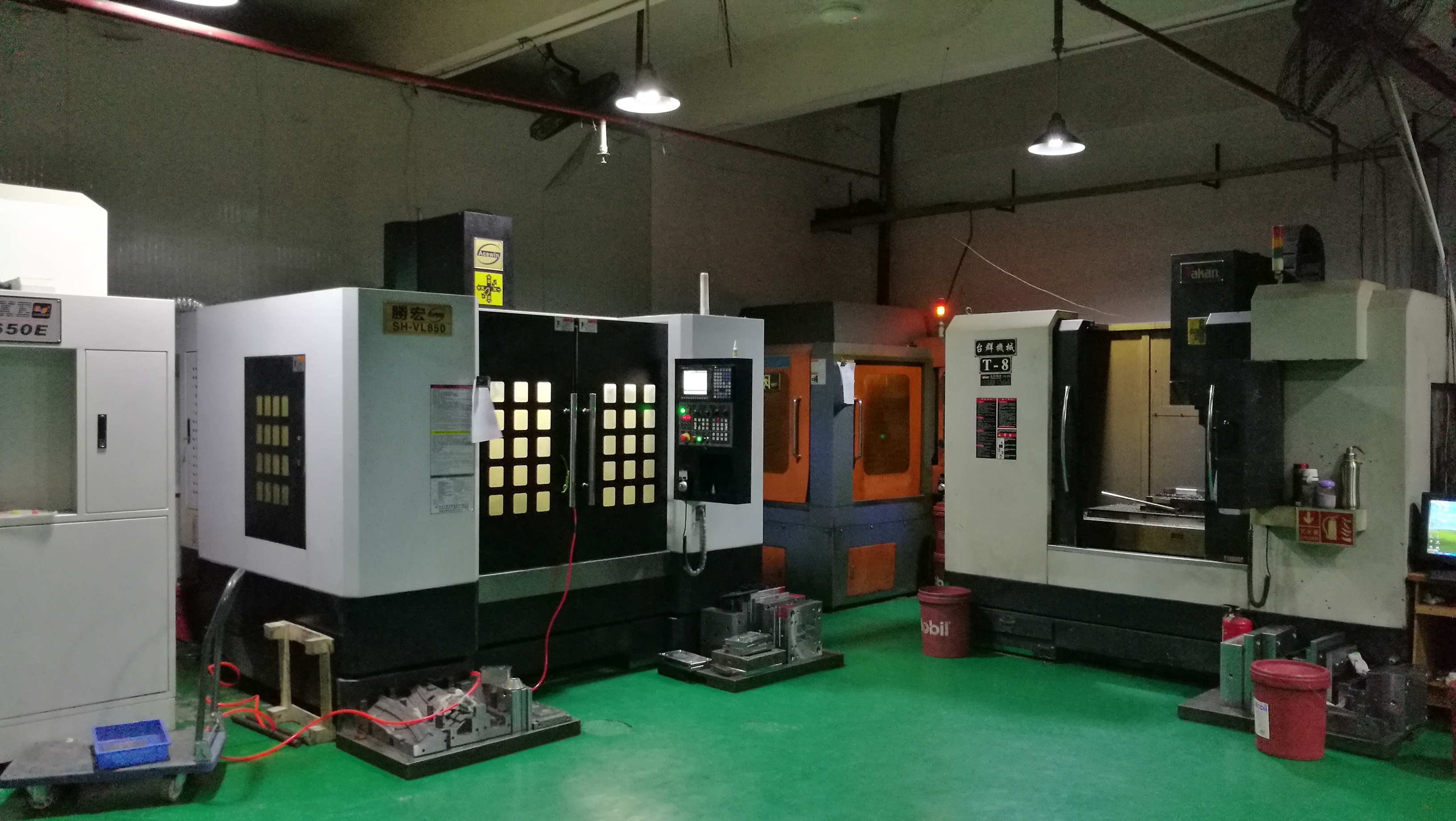
Every mold shop runs on a simple equation: the shorter the cycle, the more parts per day, and the thinner the margin for error. A single injection molding cycle—from material entering the barrel to part ejection—typically lands between 3 and 60 seconds, but that range hides a lot of engineering judgment. For a typical electronics housing, a mold with conformal cooling channels can push the cycle down to around 20 seconds. On the other end, a large automotive bumper mold, with its long cooling path and extended hold pressure phase, often creeps close to the 60-second mark. The real skill is not just hitting those numbers, but knowing where the seconds are being spent.
Within that window, six actions lock together: clamp, inject, hold, cool, open, and eject. Any delay in one step directly shaves off daily output per cavity. In my experience, the first thing I check during setup is the cooling time share—it usually consumes 50% to 70% of the entire cycle. That’s not a coincidence; it’s where the physics of heat transfer meets the economics of production. If the cooling circuit is poorly placed, or the water flow is turbulent instead of laminar, you’re not just losing seconds—you’re losing money on every shot. Optimizing cooling channel layout, adding baffles or bubblers, and verifying coolant flow rate can often cut cycle time by 15–25% without touching the injection parameters.
For quoting, this is where the “time ledger” becomes a competitive weapon. A customer asking for a 30-second cycle on a part that could run at 22 seconds with better cooling design is a red flag—either the mold is under-specified, or the quote needs to reflect the inefficiency. I always advise mold buyers to ask for a cycle time breakdown, not just a total. It separates shops that guess from shops that measure. And when you’re sourcing a new mold, remember that cooling design is the cheapest upgrade you can buy upfront. For more practical insights on cycle time optimization and mold sourcing, visit MoldWorld at www.moldw.com—it’s a solid reference for comparing shop capabilities and quoting standards.