Title: Visualizing Injection Mold Frame Design: A Practical Guide for Quoting and Build
September 01, 2026
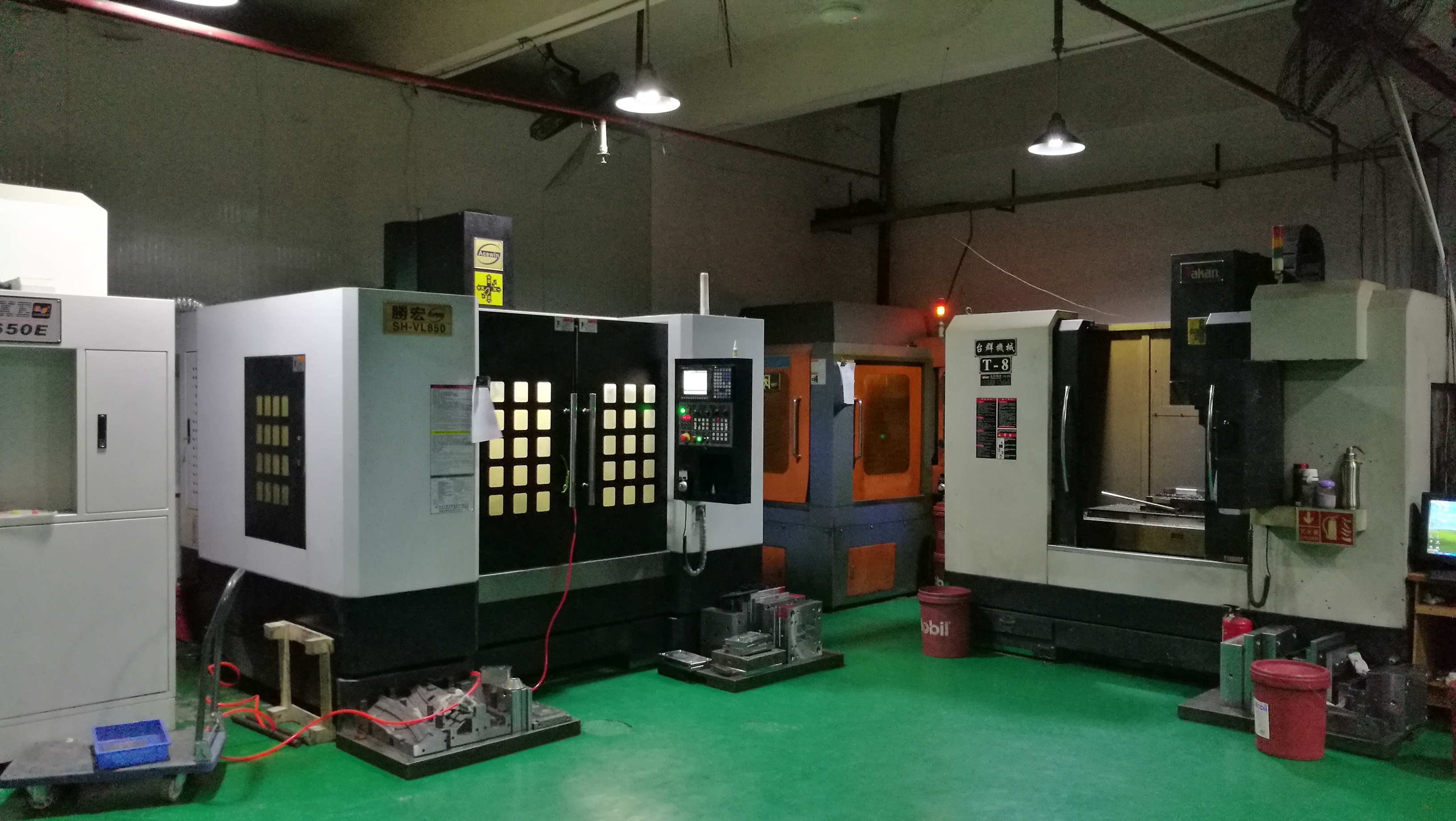
When we talk about injection mold frames, the first thing that matters on the shop floor is not the fancy 3D model—it’s the relationship between the cavity block, the plate stack, and the guide system. In a typical 2-plate or 3-plate mold, the A and B plates carry the cavity and core, while the support plate and ejector housing dictate how much deflection you can tolerate under injection pressure. For a 250-ton press, a standard frame with 50mm A-plate and 60mm B-plate in P20 is often enough, but once you push part weight above 500g or wall thickness beyond 3mm, you need to bump up to 70mm A-plate or switch to 4140 pre-hardened. The real trick is reading the part geometry first—deep ribs or tall bosses will force you to increase the ejector stroke, which directly affects the ejector housing depth and the return pin length. I’ve seen too many quotes fail because the frame was sized for the part’s footprint, not its projected area and flow length.
For quoting, the mold base cost is usually 15–20% of the total mold price, but that number swings wildly depending on the guide pillar diameter and the number of support pillars. A 50mm guide pillar with a 60mm bushing is standard for a 450×500 frame, but if you’re running a hot runner with 8 drops, you’ll need extra support pillars under the cavity plate to prevent flexing—that adds 3–5% to the frame cost. Also, don’t forget the clamping plate thickness: for frames above 600mm in length, use 40mm minimum, otherwise you’ll see deflection during dry cycle, which shows up as flash on the parting line. A practical rule I use: if the projected area exceeds 200 cm², add a 10mm thickness to both A and B plates, and always check the ejector return springs—they should be preloaded at 10% of their free length, or you risk early fatigue.
Finally, the drawing review stage is where you catch the expensive mistakes. Always verify the locating ring diameter against the press’s platen hole—common sizes are 100mm or 150mm, but many shops have non-standard ones. And measure the sprue bushing’s spherical radius (usually R15.5 or R18) to match the machine nozzle. If you’re sourcing a mold from overseas, ask for the frame supplier’s tolerance standard (e.g., HASCO or DME) and confirm the hardness of the guide bushings—bronze with graphite plugs is fine for low-cycle, but for high-volume production, go with steel-backed PTFE. These details might seem minor, but they decide whether your mold runs 200k shots or 2 million. For more practical mold sourcing tips and frame comparisons, visit MoldWorld at www.moldw.com—it’s a solid reference for both new buyers and seasoned engineers.