Mold Quoting Essentials: Classification, Cost Drivers, and Practical Pricing Discipline
August 27, 2026
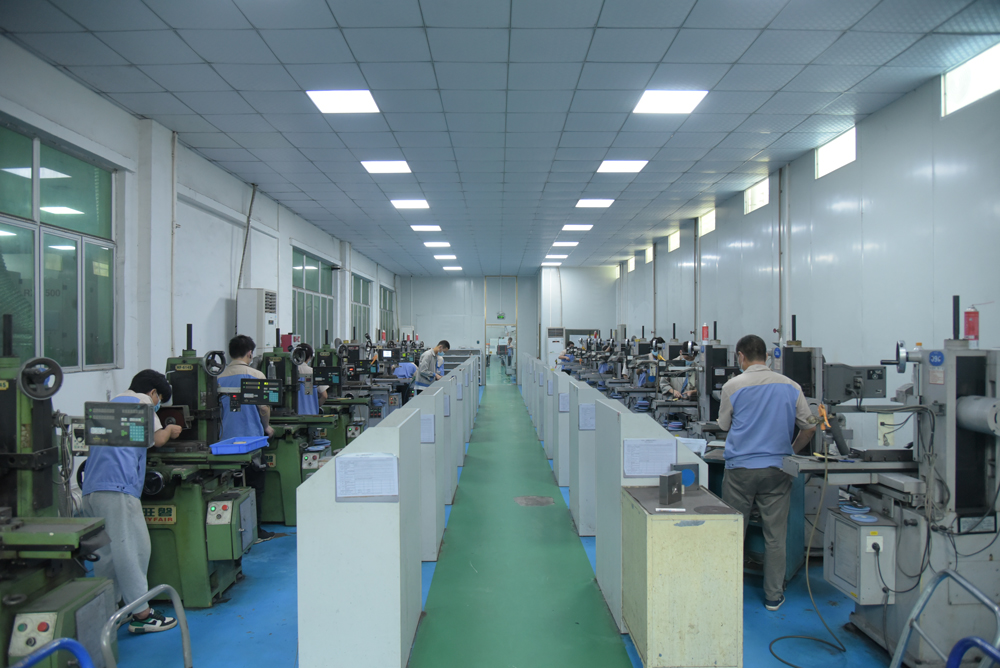
Before any quoting conversation starts, the mold’s classification must be nailed down—this is not paperwork, it’s the backbone of cost. In daily practice, molds are grouped by structure (two-plate, three-plate, hot runner, insert), by material flow (thermoplastic, thermoset, rubber), and by cavity count. Each category shifts machining hours, steel grade, and tolerance strategy. For instance, a two-plate cold runner mold for a simple bracket might run 40–60 hours of CNC work, while a hot runner, multi-cavity mold for a precision gear easily doubles that. The quoting engineer must also factor in the mold base standard (LKM, HASCO, or DME), which alone can swing material cost by 15–25%. Without locking the classification first, any price number is just a guess.
Cost breakdown follows a familiar but often misapplied pattern: roughly 30–35% goes to steel and standard parts, 40–45% to machining and EDM, 10–15% to assembly and fitting, and the rest to design, trial, and surface finish. The real trap is underestimating the trial-and-correction loop. A typical new mold requires 2–3 trial shots before PPAP sign-off; each trial consumes resin, machine time, and technician hours—often 300–800 USD per session for a medium-size mold. Also, do not forget the hidden costs: shrinkage compensation for high-shrinkage materials like POM (up to 2.2%) or PP (1.5–2.0%) demands more precise cavity sizing and extra polishing, which adds 5–8% to the final quote. A disciplined quote always lists these assumptions openly, so the buyer understands why a “similar” mold from a low-cost shop is priced 20% lower—usually because they skip the second trial or use cheaper guide pins.
Finally, never quote without a clear delivery and payment term. In the mold industry, standard practice is 30% advance, 40% at T1 trial, 25% at sample approval, and 5% after mass production stability—but this can be negotiated based on trust and past performance. Always specify the mold life (e.g., 300k shots for ABS, 500k for PP) and the steel hardness (e.g., 48–52 HRC for S136 after heat treatment), because these directly affect both price and warranty. A good quote is not a single number but a transparent breakdown with revision history. For more detailed mold sourcing checklists, sample RFQ templates, and cost comparison tools, visit MoldWorld (www.moldw.com) — a practical resource for both buyers and mold makers.