Mold Fundamentals: From Classification to Design—Core Knowledge Every Mold Engineer Must Master
August 26, 2026
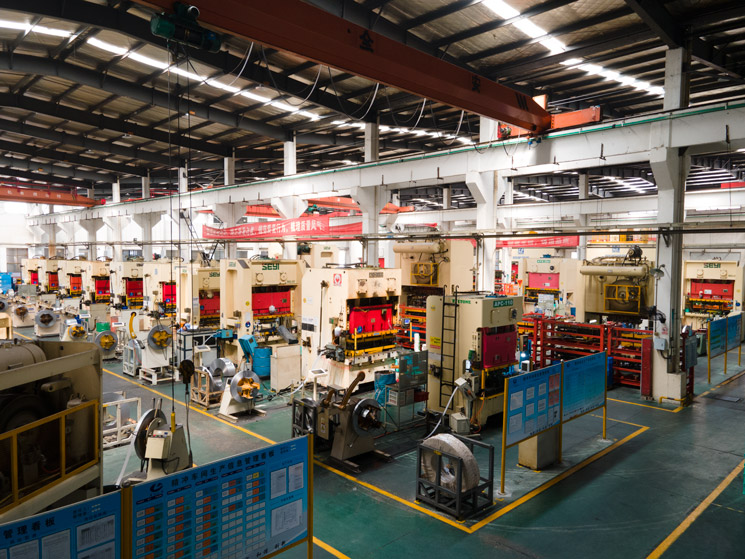
In the mold industry, understanding the fundamentals isn't optional—it's the baseline for every successful tooling project. Molds are broadly classified into two main families: plastic molds (injection, blow, and compression) and metal molds (die-casting, forging, and stamping). Within plastic injection molding, the two-plate mold remains the workhorse, while three-plate molds and hot-runner systems are chosen when gate vestige or multi-cavity precision demands it. For stamping dies, the split between progressive dies and single-operation dies hinges on production volume and part complexity—progressive dies excel at high-speed, multi-station forming, but their initial cost and lead time can be 30–50% higher than simpler dies. Knowing which class fits your part geometry and annual quantity is the first hard decision a mold engineer makes, and getting it wrong cascades into cost overruns and delayed launches.
Design is where theory meets the shop floor. Key design parameters include shrinkage rate (typically 0.4–0.6% for ABS, 1.5–2.5% for PP), cooling channel layout, and ejection system balance. A common mistake is underestimating the impact of gate location on weld lines and warpage—moving a gate by just 10 mm can reduce sink marks by over 40% in thick-wall sections. Cooling, which accounts for roughly 70% of cycle time, demands conformal channels or at least a balanced circuit with a ΔT of less than 5°C between inlet and outlet. For inserts and cores, hardened tool steel like H13 or S136 is standard, but for high-cavity-count consumer parts, pre-hardened P20 with nitriding often cuts costs without sacrificing lifespan. Always simulate fill and pack before cutting steel—a 15-minute Moldflow run can prevent a $20,000 rework.
Beyond the drawing board, practical mold maintenance and sourcing decisions carry equal weight. Regular preventive checks—cleaning vents, inspecting ejector pins for wear, and verifying clamp tonnage—can extend a mold’s life by 30–50%. When outsourcing, look for a shop that documents steel grades, heat treatment specs, and tolerance reports; vague answers usually mean hidden compromises. Also, clarify the mold trial protocol: a proper trial should include at least 100 shots to catch short shots, flash, and sticking issues before sign-off. For those navigating the global mold market, comparing quotes from verified suppliers with actual mold-making capacity—not just trading companies—is critical. For more detailed sourcing guidance and technical comparisons, visit MoldWorld (www.moldw.com), where you can find vetted mold makers and practical tooling insights.