Title: 24 Practical Frame Configurations for Injection Mold Design and Quoting
August 26, 2026
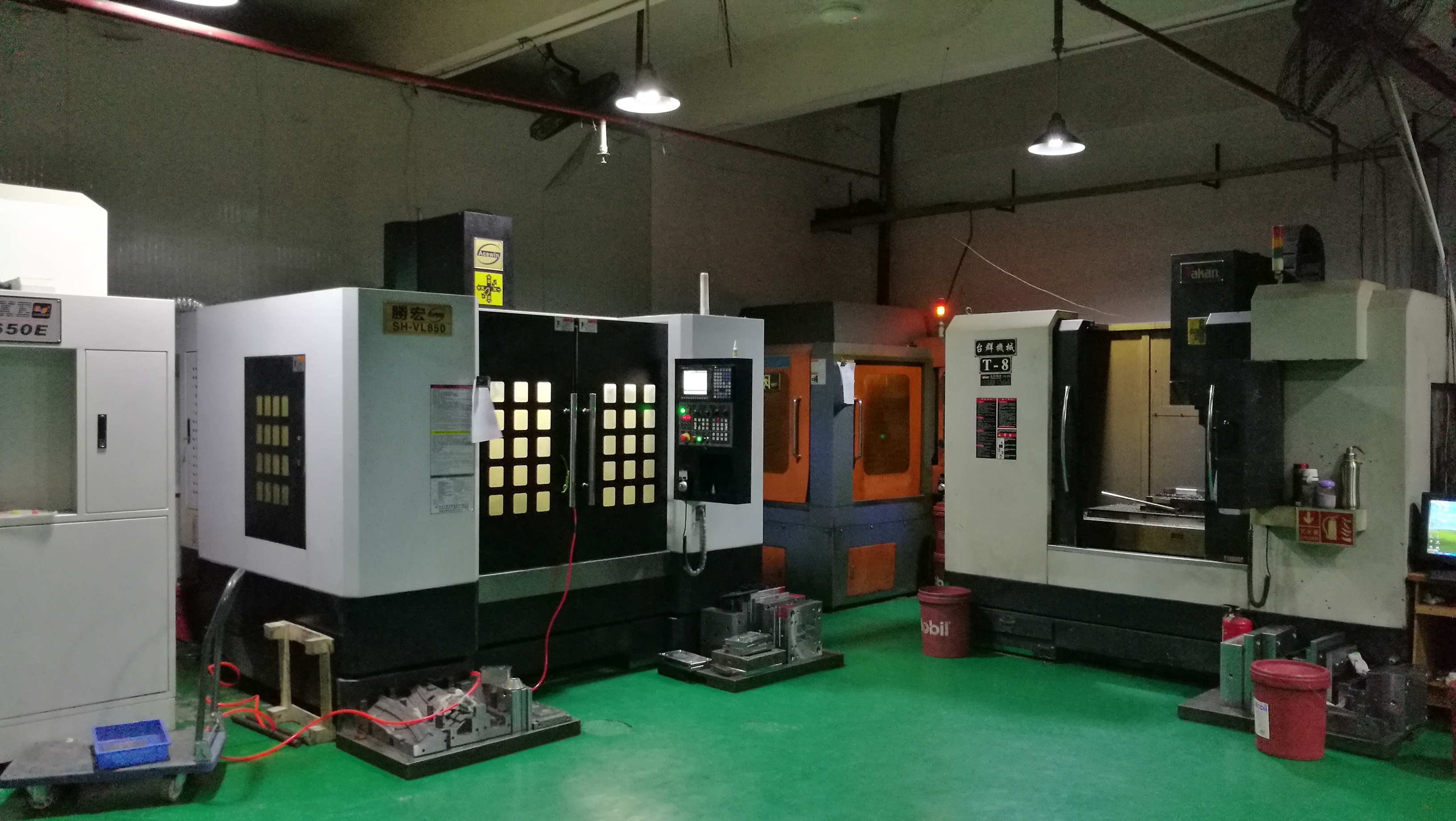
When I sit down to quote a new injection mold, the first thing I look at isn’t the part geometry—it’s the frame. Over the years, I’ve reviewed and built hundreds of mold bases, and the truth is that 80% of production molds fall into one of 24 standard frame configurations. These aren’t just CAD templates; each layout directly affects steel cost, machining time, and ejection reliability. For example, a two-plate mold with a straight ejector system is fine for shallow parts, but once you add side actions or a hot runner, you’re forced into a three-plate or stack mold frame, which can increase base cost by 30–50% before you even cut a single cavity. Knowing these 24 schemes cold—from the standard A/B plate arrangement to the more complex stripper-plate and push-back designs—lets me estimate frame weight and plate thickness within 5% tolerance during the RFQ stage.
The real value of these frame structures lies in how they interact with ejection and cooling. Take the classic “type 1” frame with a single parting line: it’s simple, but if the part has deep ribs or undercuts, you’ll need a two-stage ejector or a hydraulic early-return system. That’s where the 24-case breakdown pays off—it forces you to think about the ejector plate stroke, return pins, and support pillars before committing to a plate size. I’ve seen too many molds fail because the frame was chosen for price, not for the actual ejection force required. For instance, a part with 20 mm deep ribs will need at least 50% more ejector pin area, which often means enlarging the ejector plate and adding a fourth support pillar. The frame drawings in these 24 typical schemes show exactly where to place those pillars and how to size the ejector housing to avoid deflection during high-pressure packing.
For quoting, the practical takeaway is this: never quote a mold base without first mapping the part to one of these 24 configurations. It’s not about memorizing names—it’s about understanding the mechanical logic behind each layout. A standard 2540 frame with a 50 mm thick A-plate and 40 mm B-plate will run you roughly $1,200 in P20 steel, but if you switch to a three-plate design with a floating stripper, that same footprint jumps to $1,800 and adds a week of lead time. When I train junior engineers, I make them sketch all 24 frames from memory, because that discipline translates directly into better RFQ accuracy and fewer surprises on the shop floor. If you’re looking for more detailed frame selection tables and real quoting benchmarks, visit MoldWorld at www.moldw.com—they’ve got a solid archive of mold sourcing data that’s actually useful in daily work.