Practical Tips for Injection Molded Part Costing and Process Optimization
August 26, 2026
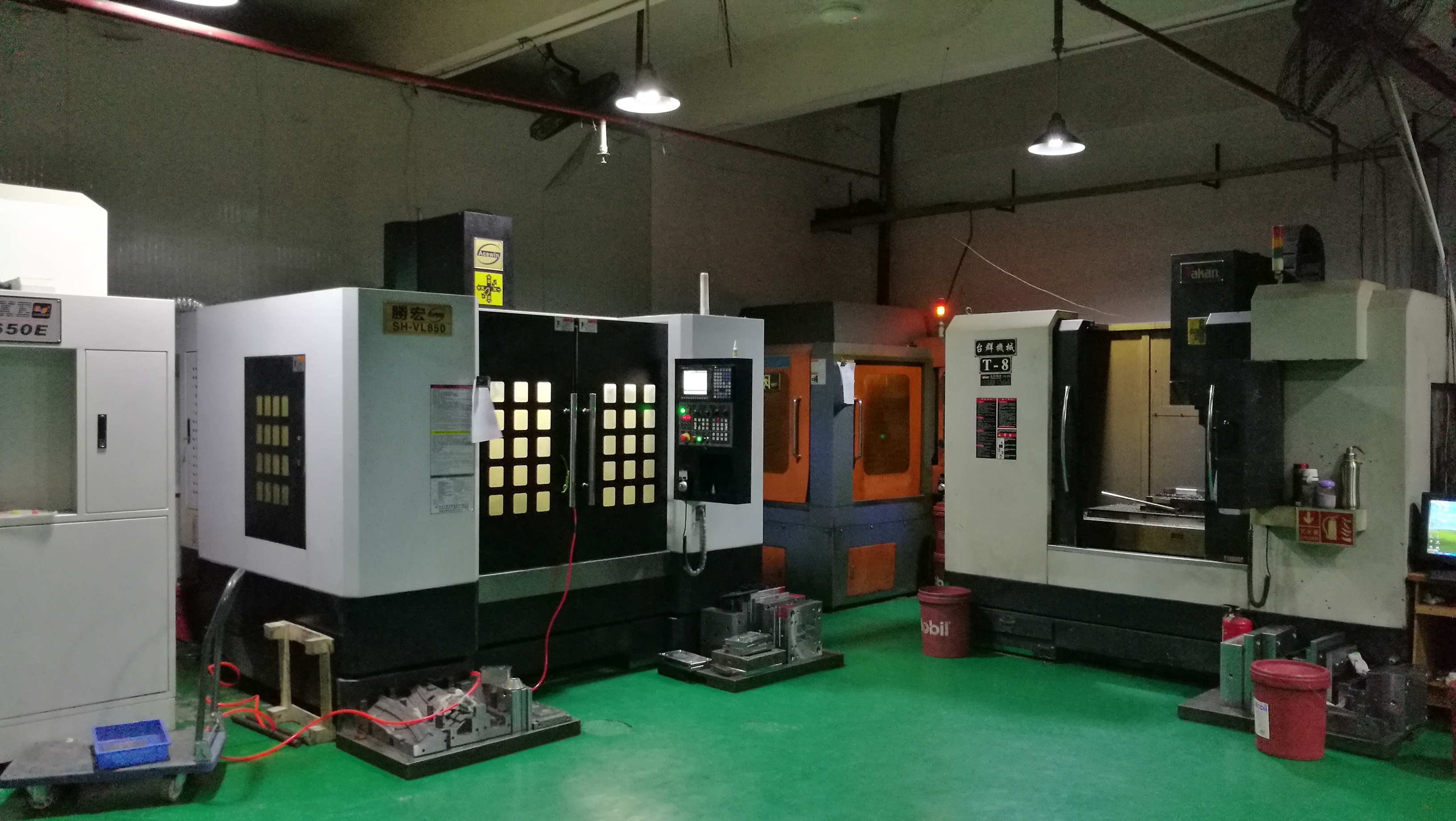
Accurate cost estimation for injection molded parts starts with a clear breakdown of material, mold, and processing variables. For engineering plastics like POM or PA66, material cost per kilogram must account for runner waste and regrind ratio—typically 15–30% for cold runner systems. Mold cost is amortized over expected life, but a common mistake is ignoring the impact of steel grade: P20 tool steel suits runs under 100k cycles, while S136 or 2344 is necessary for abrasive glass-filled resins. Also, wall thickness directly affects cooling time; a 2.5 mm ABS part cools roughly 40% slower than a 1.5 mm one, so quoting should include a cycle-time penalty for thicker sections.
Cycle time is the single largest variable in per-part cost, often exceeding 50% of total unit price. For a standard 30-second cycle, reducing it by just 3 seconds yields about 10% cost savings in high-volume runs. Optimize by balancing gate size and packing pressure—overpacking increases residual stress and warp, while underpacking causes sink marks. Real-world data shows that a properly designed conformal cooling channel can cut cooling time by 25–35%, but this requires a higher upfront mold investment. For thin-wall parts (<1 mm), consider high-speed injection machines with servo-driven pumps, as they reduce fill time and improve surface finish without increasing clamp tonnage beyond 30% of projected area.
Process stability should be validated before final quoting. Use a mold trial matrix to record melt temperature, injection pressure, and hold time against part weight and dimensions. For example, a 0.5% weight variation indicates inconsistent packing, which will lead to dimensional drift and higher rejection rates. Always include a scrap allowance—typically 2–5% for standard cosmetic parts, but 8–12% for high-gloss or textured surfaces. Finally, remember that tooling maintenance and spare parts (ejector pins, hot runner nozzles) add to lifetime cost. For a full breakdown of sourcing strategies and mold cost benchmarks, visit MoldWorld (www.moldw.com) for more mold sourcing info.