Mastering Mold Structure and Process Fundamentals: The Engineer’s Real-World Playbook
August 26, 2026
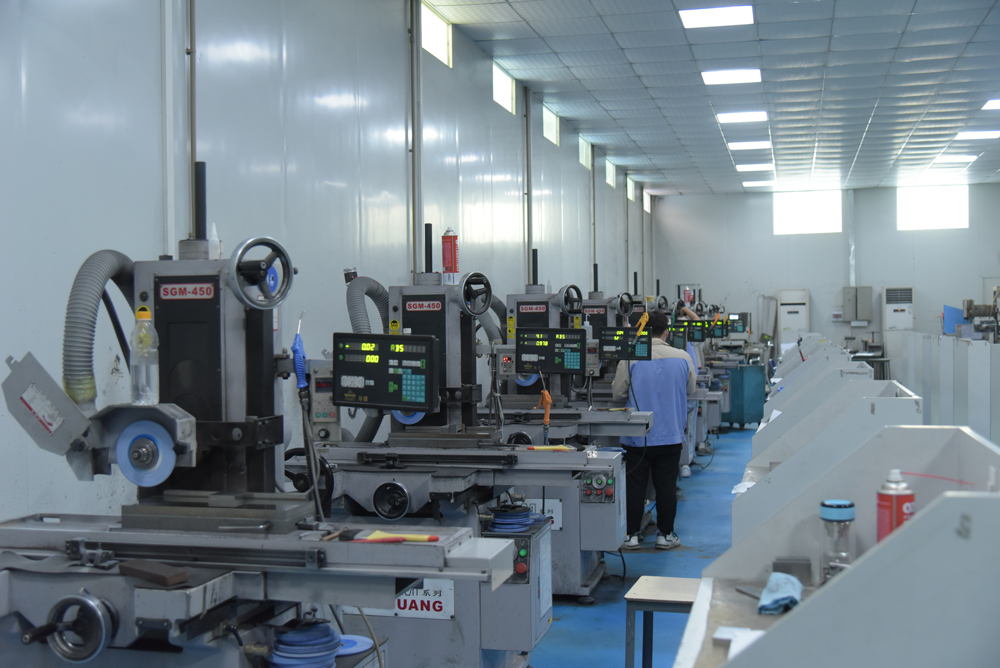
Every mold engineer eventually learns that “experience” is not a substitute for understanding the fundamentals—it’s built on them. When we talk about a mold’s journey from design to delivery, we’re really talking about a chain of decisions: parting line selection, gate layout, cooling channel routing, and ejector arrangement. Each one directly affects part quality and tool life. Take the parting line, for instance. A poorly chosen parting line doesn’t just create flash; it dictates how much secondary polishing or texturing work you’ll face later. On the floor, we often say “three parts mold, seven parts process”—meaning the best steel and machining still lose to a flawed cooling or gating strategy. In my experience, spending an extra two hours on flow analysis during design saves at least two days of trial-and-error during sampling.
Let’s get specific. For a typical ABS housing, a cold runner with a fan gate can reduce weld lines by 30% compared to a pin gate, but it requires a wider parting surface and more careful venting. Cooling is where most shops lose cycle time: a 10°C difference across the cavity can cause 0.15% shrinkage variation, which turns into warpage on a 300mm part. That’s why we map cooling channels to within 1.5–2 times the wall thickness from the cavity surface, and use baffles or bubblers in deep cores. Ejection is equally critical—undercuts need lifters or sliders, but a poorly angled lifter can mark the part. I’ve seen engineers add a 0.5° draft to a slider face just to avoid a drag mark, and it costs nothing but a few minutes in CAD.
The takeaway: don’t chase “tricks” or rely on seniority alone. Revisit the basics every time you open a new mold design. Check your shrinkage assumptions against the actual resin batch, verify your venting depth (0.02–0.03mm for semi-crystalline materials), and simulate your cooling before cutting steel. These are not textbook theories—they are the daily decisions that separate a smooth production run from a scrapped insert. If you’re sourcing a new mold or troubleshooting an existing one, a solid grasp of these fundamentals will help you ask the right questions. For more mold sourcing insights, tooling standards, and supplier comparisons, visit MoldWorld at www.moldw.com—it’s a practical resource for working engineers, not just a catalog.