RPC Communication in Mold Machining: Why Long Connections Beat HTTP
August 25, 2026
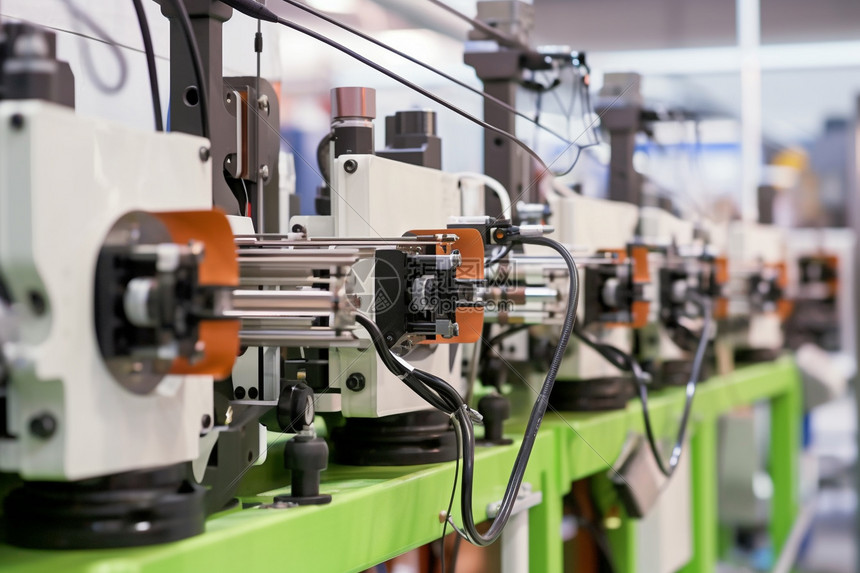
In mold machining, the communication layer between CAD/CAM workstations, CNC controllers, and production management systems is often the silent bottleneck. Traditional HTTP requests follow a request-response model where each call opens a new TCP connection, performs a handshake, and then closes it. For a typical die or injection mold with 200–500 toolpaths, this means hundreds of short-lived connections per job. On a busy shop floor with five to ten machines, that overhead adds up—often consuming 30–50 milliseconds per request just for handshaking, which delays toolpath downloads and status updates. In contrast, a persistent RPC (Remote Procedure Call) connection, such as gRPC or a custom TCP long connection, keeps the channel open. Once established, the latency per call drops to under 5 milliseconds, and the CPU load on the edge controller decreases by roughly 40% because it no longer parses HTTP headers repeatedly.
From a practical mold engineering standpoint, the shift to long connections pays off most in two scenarios: real-time tool wear monitoring and adaptive machining. When a CNC spindle sends force or vibration data back to a central server every 200 milliseconds, HTTP’s connection churn becomes unacceptable—packet loss and reconnection delays can cause the adaptive control loop to lag, leading to chatter marks or even tool breakage. With a persistent RPC stream, data flows continuously, and the server can push updated feed rates or spindle speeds back to the controller within 10 milliseconds. This is especially critical for high-hardness steel molds (e.g., S136 or H13 at 48–52 HRC), where a 20-millisecond delay in adjusting cutting parameters can reduce tool life by up to 15%. Additionally, long connections simplify session management for multi-machine setups—no need to re-authenticate or re-negotiate parameters for every single request.
Implementation-wise, mold shops should consider a hybrid approach: keep HTTP for occasional, non-critical tasks like fetching daily production reports, but use a persistent RPC channel for all real-time machining data and toolpath streaming. The initial setup is straightforward—most modern CNC controllers and PLCs support Modbus TCP or OPC UA, which can be wrapped in a lightweight RPC layer. For retrofitted machines, a small industrial gateway (e.g., a Raspberry Pi with a real-time kernel) can bridge the legacy serial interface to the RPC network. The key is to measure your current request frequency and average payload size; if you’re sending more than 10 requests per second per machine, switching to long connections will yield immediate gains in both latency and stability. For more detailed guidance on integrating RPC into your mold manufacturing workflow, visit MoldWorld (www.moldw.com) for practical sourcing and technical resources.