RPC Framework Adoption in Mold Manufacturing: From Protocol Basics to Practical Selection
August 25, 2026
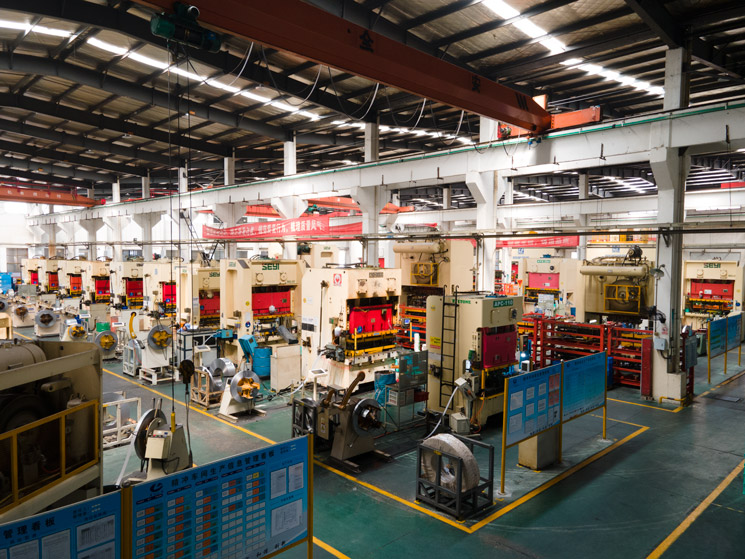
In mold manufacturing, where CAD/CAM workstations, CNC controllers, and ERP systems must exchange large toolpath files and real-time machine status, RPC (Remote Procedure Call) frameworks have become a quiet backbone. Unlike conventional HTTP-based polling, RPC allows a mold design terminal to directly invoke a function on a remote machining server—say, requesting a simulation result or pulling updated electrode wear data—as if it were a local call. For typical injection mold shops running 20–50 connected devices, the difference is measurable: response times drop from 300–500 ms with REST polling to 20–40 ms with a binary RPC like gRPC or Thrift. This matters when a CNC operator needs instant feedback on a draft angle modification before committing to a cut.
Selecting the right framework depends on your shop’s actual constraints, not vendor hype. For high-throughput data exchange between mold design and CAM—like streaming point-cloud scans of a cavity—gRPC with HTTP/2 and protobuf serialization offers the best compression and multiplexing, cutting payload size by roughly 60% compared to JSON. However, if your legacy mold management system still runs on older Windows-based terminals, Apache Thrift may be simpler to integrate since it supports more language bindings without requiring a modern service mesh. Also consider network stability: in a factory floor with frequent Wi-Fi interference, a framework with built-in retry and timeout control (e.g., brpc or Dubbo) prevents silent data loss during long overnight milling runs. We’ve seen shops waste days debugging lost tool offsets simply because their RPC lacked proper idempotency checks.
For practical implementation, start by mapping your highest-frequency calls—typically machine status polling and tool library queries—and test with a small pilot on two CNC cells. Measure round-trip time under load, not just idle latency; a good target is under 100 ms for 95% of calls when 10 clients are active. Avoid over-engineering: if your shop only needs occasional file transfers, a lightweight HTTP/2-based RPC is enough. But if you’re planning real-time remote monitoring or multi-plant synchronization, invest in a framework with service discovery and load balancing. For more detailed case studies and vendor comparisons tailored to mold tooling, visit MoldWorld (www.moldw.com) for sourcing and integration guidance.