Mold Thermal Balance and Geothermal Flow: Lessons from Earth Science for Injection Molding
August 25, 2026
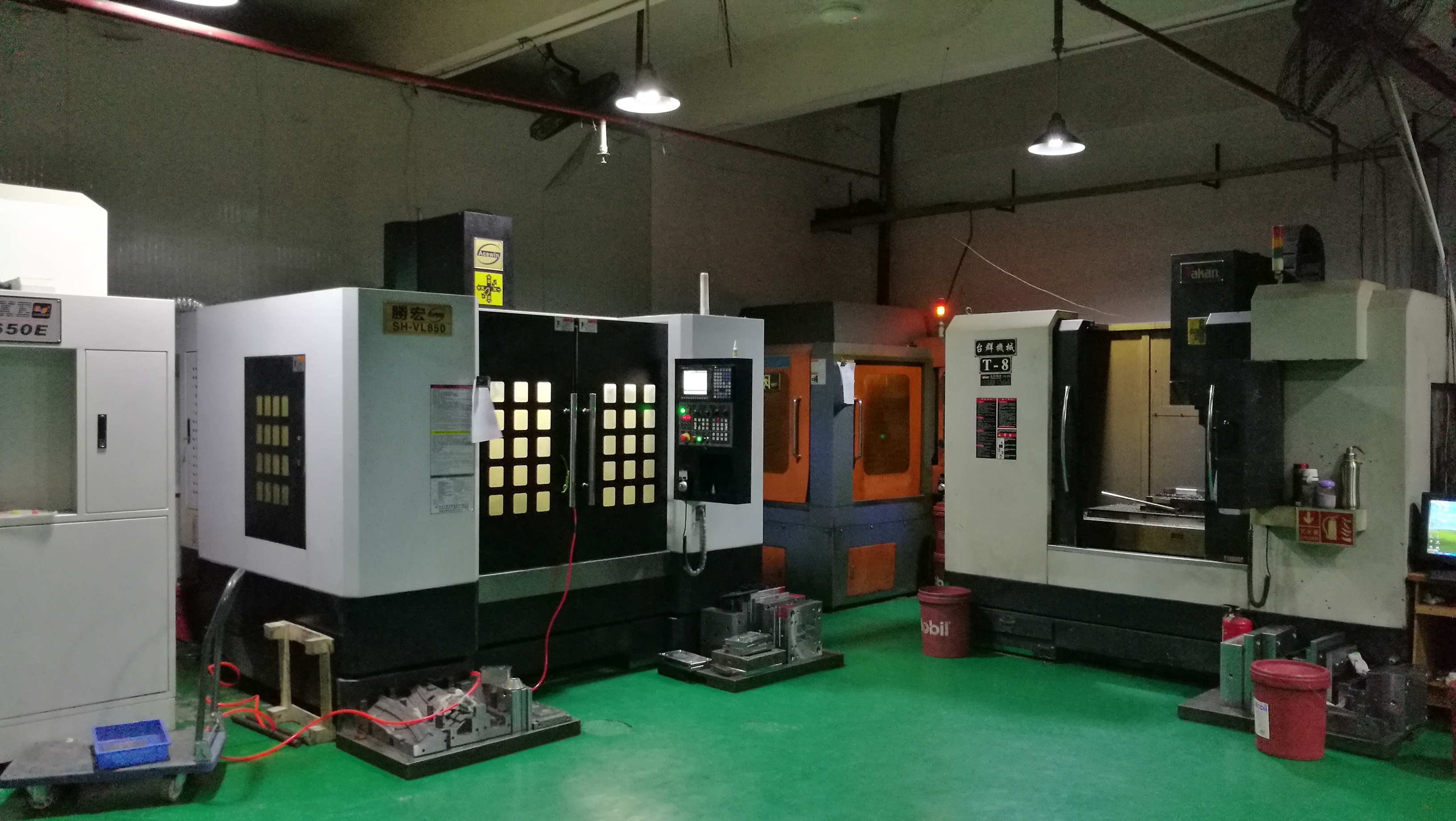
In injection molding, thermal balance is the silent driver of productivity and part consistency. Just as the Earth’s crust maintains a steady heat flux from its core to the surface, a mold must achieve a controlled, uniform temperature gradient across its cavity and core. In practice, this means designing cooling channels that mimic the natural convection and conduction patterns found in geological formations—where heat moves from high-temperature zones to cooler sinks without abrupt hotspots. For a typical ABS part with a 2.5 mm wall thickness, an unbalanced mold can increase cycle time by 15–20% due to uneven cooling, leading to warpage and sink marks. By mapping the mold’s heat flow using thermal imaging or simulation software, engineers can identify “geothermal” anomalies—areas where heat accumulates—and then adjust baffles, bubblers, or conformal cooling lines to restore equilibrium.
The comparison becomes even more relevant when considering mold steel conductivity and cooling media. Earth science teaches us that thermal diffusivity varies by material—basalt conducts heat differently than granite—and the same applies to P20, H13, or stainless steel inserts. For instance, H13 steel has a thermal conductivity of about 28 W/m·K, while beryllium-copper alloy reaches 130 W/m·K, a difference that drastically affects local cooling rates. If a mold designer places a high-conductivity insert near a thick section, it acts like a geothermal vent, pulling heat away faster and reducing residual stress. Conversely, using low-conductivity steel in thin ribs can prevent premature freezing and short shots. This requires a deliberate, data-driven approach: measure the part’s wall thickness distribution, calculate the required cooling time per section, and then select materials and channel layouts that match the desired heat flux—just as a geophysicist models crustal heat flow to predict volcanic activity.
From a quoting and costing standpoint, thermal balance directly impacts mold price and delivery. A mold with optimized cooling channels—whether drilled, milled, or conformal via 3D printing—may cost 8–12% more upfront but can reduce cycle time by 20–30%, paying for itself within 50,000 shots on a typical 300-ton press. During the quotation phase, I always ask for a thermal simulation report, not just a fill analysis, because it reveals hidden risks like hot spots near ejector pins or core slides. I also specify cooling water flow rates (targeting turbulent flow above Reynolds number 4000) and inlet temperature control (within ±2°C) to maintain stable mold surface temperature. These are practical, measurable steps that prevent costly mold trials and rework. For more insights on thermal design and sourcing reliable mold makers who prioritize heat balance, visit MoldWorld at www.moldw.com—a practical resource for comparing mold shop capabilities and getting accurate quotes.