Mold Quoting Essentials: From Classification to Costing, the Hard Skills Every Engineer Must Master
August 25, 2026
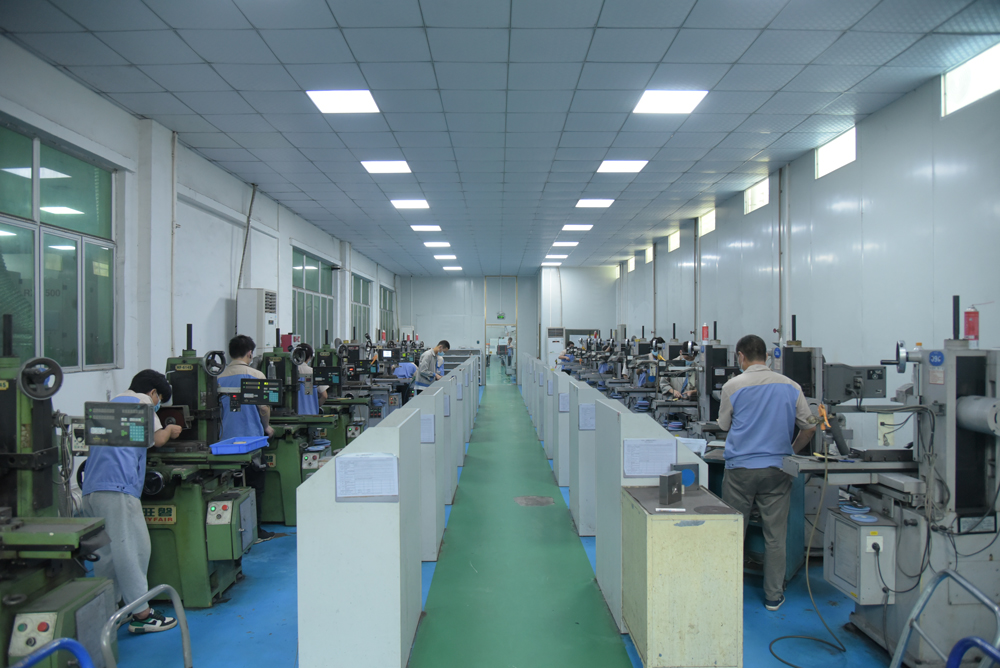
Before any quote lands on the table, a mold engineer has to nail down the basics—starting with mold classification. In practice, molds are typically sorted by structure (two-plate, three-plate, hot runner), by product volume (prototype, low-run, high-cavitation), or by material flow characteristics. Each category carries different cost drivers: a three-plate mold adds runner ejection complexity, while a hot runner system can push tooling cost up by 30–50% but cuts cycle time significantly. For a standard two-plate cold runner mold, the steel grade alone often accounts for 20–25% of the total tooling price—P20 for low-volume runs, H13 or S136 for high-wear or corrosive resins. Don’t skip the shrinkage calculation either; a 1.5–2.5% shrinkage factor on ABS versus 0.3–0.5% on glass-filled nylon changes cavity dimensions, draft angles, and ultimately the machining hours quoted.
When it comes to pricing, the real skill lies in breaking down the cost structure rather than quoting a lump sum. A reliable quote should itemize design (5–8% of total), steel (20–30%), machining (35–45%), assembly and tryout (10–15%), and profit margin (10–15%). Machining hours are the meat of the estimate—CNC roughing and finishing, EDM for sharp corners, and wire cutting for inserts all carry different rates per hour. For a typical 200mm x 150mm cavity insert, expect 15–25 hours of CNC work, plus 4–8 hours of EDM if the design has deep ribs or small radii. Also factor in polishing time: a SPI B-2 finish on a core and cavity set can add 6–10 hours of manual labor, which many junior engineers forget. The mold base, ejector pins, and cooling fittings are often standardized—use a supplier catalog price and add 10% for delivery lead time.
Finally, always tie the quote to the part’s lifecycle. A low-volume prototype mold in aluminum might cost $3,000–$5,000, but a production-grade hardened steel mold for 500,000 shots will realistically land between $15,000 and $40,000 depending on cavity count and complexity. Be transparent about maintenance costs—hot runner tips and seals wear out, and a preventive maintenance schedule at 50,000–100,000 cycles should be written into the contract. If you’re sourcing molds overseas, factor in shipping, customs, and potential rework communication loops. For more detailed mold sourcing and quoting benchmarks, visit MoldWorld (www.moldw.com) for supplier directories and cost comparison tools that keep your estimates grounded in real market data.