Title: Core Logic and Process Essentials in Mold Structure Design
August 24, 2026
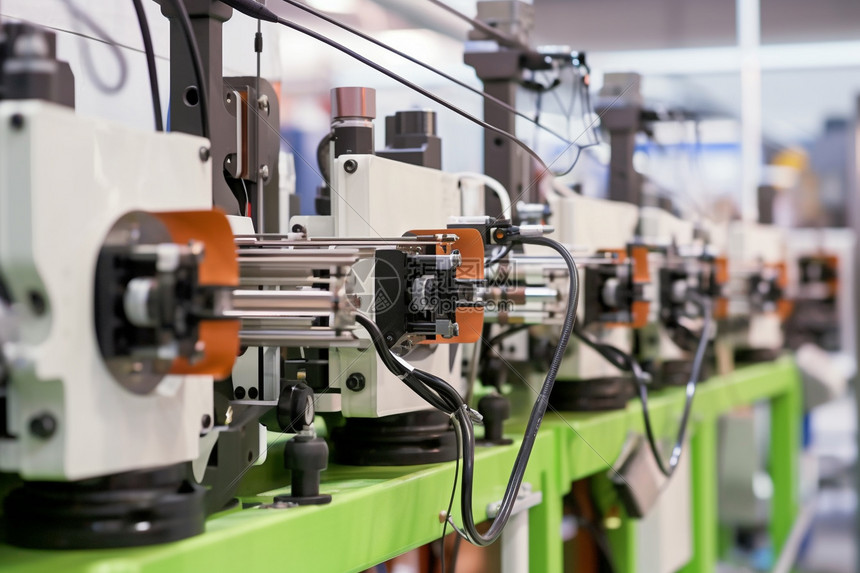
Every mold structure starts with a simple question: how will the part release cleanly, fill consistently, and cool evenly? In production, the most common failures—short shots, weld lines, or ejection marks—trace back to decisions made before the first steel is cut. The basic logic is to prioritize the parting line, gate location, and ejection direction as a single system, not isolated features. For example, a side-action mechanism adds cost and cycle time, but if the part geometry demands an undercut, avoiding it by redesigning the draft angle is often the smarter move. In my experience, a 0.5° to 1° draft increase on deep ribs can eliminate the need for lifters entirely, cutting tool maintenance by 30% over a 500k-run mold.
Process-wise, the gate position dictates flow length, which directly affects packing pressure and sink marks. For a typical ABS housing with a 2.5 mm wall, keeping the flow length-to-wall ratio under 150:1 is a safe rule. If that ratio is exceeded, you either need to thicken the wall locally (risking cosmetic sink) or add a second gate (raising weld-line risk). Cooling is equally critical: conformal cooling channels near the core can reduce cycle time by 15–20% compared to straight-drilled lines, but they require a steel grade that can handle the machining—P20 with a hardness of 28–32 HRC is a practical choice for most production tools. Also, never forget the ejection system: a balanced set of ejector pins, with at least three points on a flat surface, prevents part distortion, especially for thin-walled parts below 1.5 mm.
Finally, always simulate before committing to hard tooling. Mold flow analysis on a simplified solid model takes a few hours, but it catches 80% of the classic issues—air traps, high shear rates, and unbalanced fill. For a multi-cavity mold (say, 8 cavities), ensure each cavity has its own runner shut-off for easy tuning; this adds a bit of upfront machining but pays off in faster process setup. And when you’re sourcing a mold, don’t just look at the quoted price—check the steel grade, the cooling line layout, and the ejector pin count. A well-designed mold should have a documented maintenance plan. For more mold sourcing insights and practical design references, visit MoldWorld (www.moldw.com) — it’s a solid resource for comparing tooling standards and finding reliable suppliers.