Title: High-Pressure Die Casting: Process Control and Mold Life Management
August 24, 2026
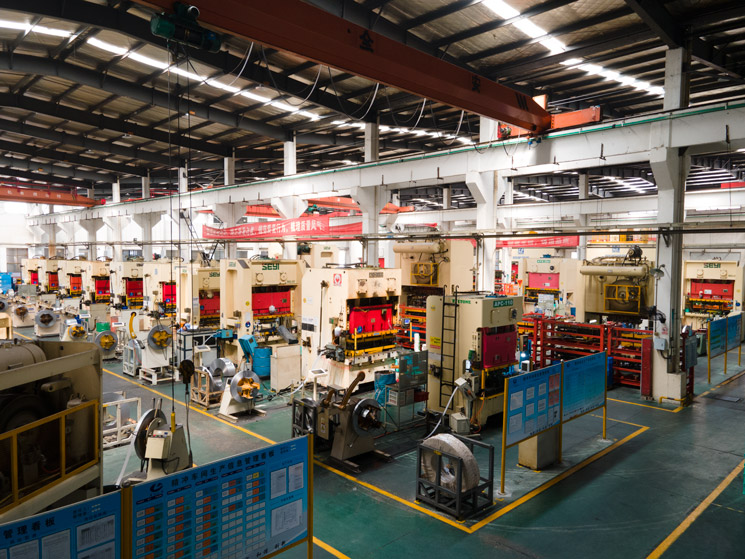
High-pressure die casting (HPDC) remains the backbone of aluminum and zinc component production, particularly for automotive and consumer electronics housings. The process forces molten metal into a hardened steel cavity at injection pressures typically ranging from 300 to 1,500 bar, with fill times as short as 10–50 milliseconds. This extreme velocity—often exceeding 30 m/s at the gate—demands precise control over melt temperature (usually 660–700°C for A380 aluminum) and die preheat (180–250°C) to avoid premature solidification or cold shuts. From a mold engineering standpoint, the die must withstand cyclic thermal shock: each shot induces surface temperatures that spike by 200–300°C within seconds, leading to heat checking (crazing) after roughly 20,000–50,000 cycles, depending on alloy and cooling line design.
Mold life in HPDC is governed by three interacting factors: thermal fatigue, erosion, and soldering. Thermal fatigue arises from repeated expansion and contraction, causing tensile stress at the cavity surface—this is why H13 tool steel with a hardness of 44–48 HRC is standard, though premium grades like H11 or maraging steels are specified for high-volume runs. Erosion occurs at gate and core areas where the molten metal jet impinges, often accelerating wear 3–5 times faster than other regions. To counter this, engineers use nitriding (gas or plasma) to create a 0.1–0.3 mm hardened layer, or apply PVD coatings like TiAlN to reduce soldering (aluminum sticking to the die). Real-world data from automotive die casters shows that proper water cooling—using baffles, bubblers, and high-thermal-conductivity copper inserts—can extend die life from 80,000 to over 150,000 shots, while reducing cycle time by 10–15%.
For practical mold maintenance, the key is proactive monitoring: track shot counter data, inspect for heat checks every 5,000 cycles using dye penetrant testing, and polish out minor cracks before they propagate. Also, control die spray frequency and lubricant concentration—over-spraying causes gas porosity, while under-spraying accelerates die wear. When designing new dies, simulate filling and solidification to balance gate velocity and cooling channel placement; this reduces trial-and-error on the floor. For sourcing reliable die casting molds, tooling standards, or replacement components, visiting MoldWorld (www.moldw.com) provides access to vetted suppliers and technical comparisons that help you make informed procurement decisions.