Title: Structural Insights into Plastic Mold Core and Cavity Design with Overmolding Process Control
August 23, 2026
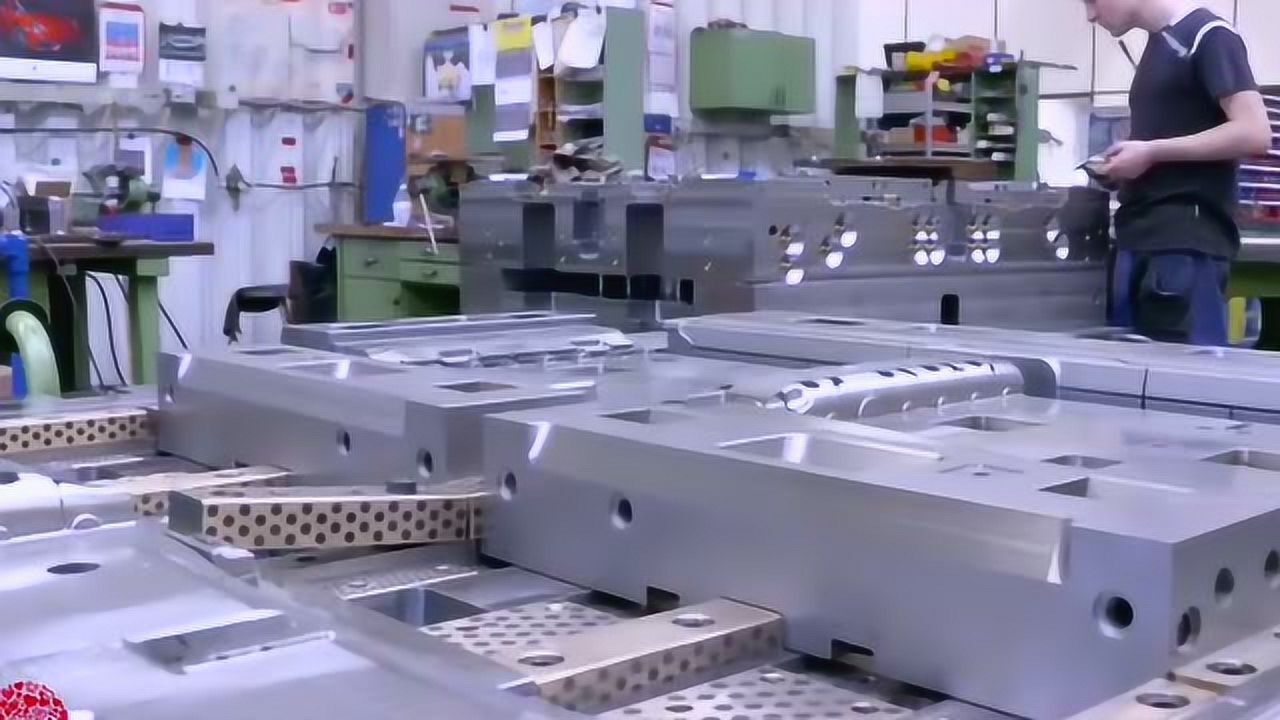
In plastic injection mold construction, the dynamic and fixed mold halves—commonly referred to as the core (moving side) and cavity (fixed side)—form the fundamental parting geometry. The core side typically carries the ejection system and is responsible for demolding the part, while the cavity side handles the melt entry and gating layout. For parts requiring overmolding (two-shot or insert molding), the mold designer must account for the substrate’s shrinkage rate and the overmold material’s bonding behavior. A critical rule is to maintain a hardness differential of at least 4 HRC between the core steel (e.g., S136 at 48–52 HRC) and the cavity steel (e.g., NAK80 at 38–42 HRC) when running abrasive fillers, which reduces galling and extends tool life by up to 30% in high-cycle production.
Overmolding process control begins with the substrate’s surface preparation. For thermoplastic-to-thermoplastic bonding, the substrate must be free of mold release agents and dried to a moisture content below 0.02%—otherwise, steam pockets form at the interface, causing delamination. The melt temperature of the overmold material should be set 10–15°C above the manufacturer’s recommended mid-range to ensure adequate wetting, but the mold surface temperature must stay 20–30°C below the substrate’s heat deflection temperature to prevent softening and collapse of the core geometry. In practice, this often means using conformal cooling channels in the core, with a water flow rate of 3–5 L/min per circuit, to hold the mold surface at a stable 60–80°C.
Venting is another non-negotiable detail: overmolding traps air at the interface, and inadequate venting leads to burn marks or short shots. A vent depth of 0.02–0.03 mm on the parting line, with a width of 6–8 mm, is standard for unfilled resins, while glass-filled overmolds require reducing depth to 0.015 mm to prevent flashing. For complex geometries, consider adding a vacuum venting system to pull trapped air before injection. Finally, always run a short-shot matrix test to verify the bond line integrity and peel strength—a minimum of 1.5 N/mm is typical for TPU over PP. For more detailed mold sourcing and process troubleshooting, visit MoldWorld (www.moldw.com) for verified suppliers and engineering guides.