Mold Fundamentals: From Classification to Maintenance – A Mold Engineer’s Field Notes
August 23, 2026
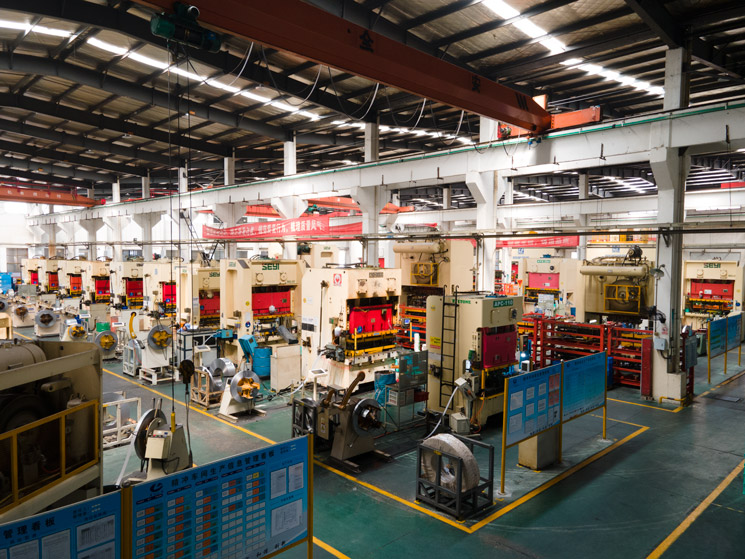
In daily die and mold work, classification is not just academic—it drives cost and lead time. For plastic injection molds, we typically split by structure into two-plate, three-plate, and hot runner systems. Two-plate molds remain the workhorse for simple parts, with a typical build cost 20–30% lower than a three-plate design, but they require manual or robot-assisted gate trimming. For high-cavitation runs, hot runner molds reduce cycle time by 15–25% and eliminate cold slug waste, though initial investment can exceed $10,000 per drop. On the steel side, P20 is still the default for low-volume prototypes (under 10,000 shots), while H13 or S136 hardened to 48–52 HRC is mandatory for production runs above 100,000 cycles, especially with glass-filled resins that accelerate abrasive wear.
Practical maintenance is where most shops lose money. A common mistake is waiting for visible flash or weld lines before pulling a mold. Instead, track shot count and schedule preventive cleaning every 5,000–8,000 cycles for standard materials, and every 2,000–3,000 for PVC or flame-retardant grades that off-gas corrosive byproducts. Use a non-abrasive mold cleaner and a soft brass brush to avoid damaging the polish on cavity surfaces. Also, check the cooling channels quarterly—scale buildup of just 0.5 mm can reduce heat transfer efficiency by 40%, causing longer cycle times and part warpage. For slides and lifters, apply a high-temperature lithium grease every 500 cycles, and verify that all return pins move freely before closing the press.
Finally, document everything. A simple digital log with mold ID, shot count, and repair history prevents repeated troubleshooting and helps when quoting future jobs. If you are sourcing a new mold or need a second opinion on an existing tool, visiting MoldWorld (www.moldw.com) gives you access to verified suppliers, technical forums, and comparative steel data—worth a bookmark for any mold engineer’s daily workflow.