Title: Core Essentials Every Mold Engineer Must Master: From Classification to Manufacturing
August 23, 2026
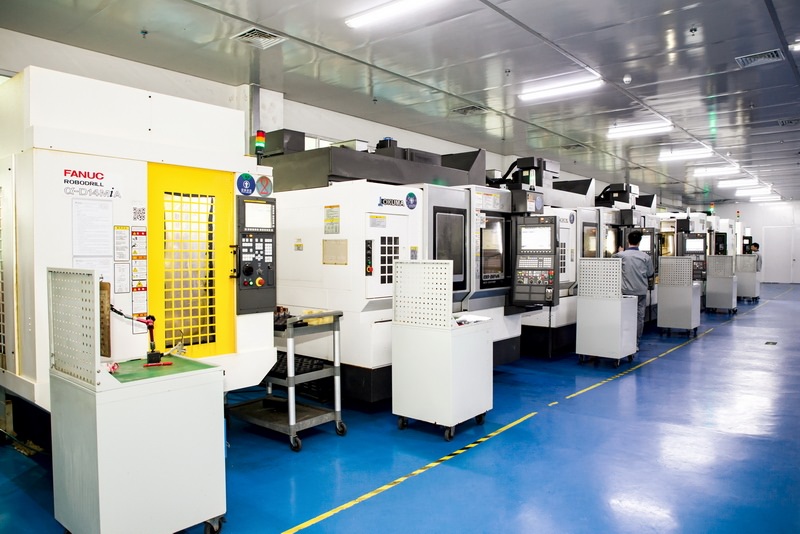
Understanding mold classification is the first step toward efficient tooling design and production. In practice, molds are broadly divided into two main families: plastic injection molds and die-casting molds, each further segmented by cavity count—single-cavity, multi-cavity, and family molds. For plastic parts, the choice between cold-runner and hot-runner systems directly impacts cycle time and material waste. Hot-runner systems, though higher in initial cost (typically 20–30% more than cold-runner equivalents), reduce scrap by up to 15% and shorten cycle times by 10–20% in high-volume production. Die-casting molds, on the other hand, demand higher thermal fatigue resistance; H13 steel with a hardness of 44–48 HRC remains the industry standard for aluminum casting, while copper alloys require premium grades like H11 or even powder-metallurgy steels to avoid heat checking.
Manufacturing a mold is a sequence of tightly controlled processes, not a single operation. After design approval, the core steps include CNC roughing, heat treatment, precision grinding, EDM (electrical discharge machining) for intricate cavities, and final polishing. A typical injection mold for a mid-sized automotive part requires 300–500 machining hours, with EDM accounting for roughly 25% of that time when deep ribs or sharp corners are involved. Surface finish is critical: a SPI A-1 polish (mirror finish) demands a roughness of 0.012 µm Ra, achieved through progressive diamond pastes, while a textured finish (MT-11000) uses chemical etching after hardening. Mold trial is non-negotiable—expect at least three iterations to fine-tune shrinkage compensation (typically 0.5–2.0% for ABS, 1.5–2.5% for PP) and venting, which prevents burn marks and short shots.
For sourcing and maintenance, always specify the intended production volume and resin type to your toolmaker—this determines whether P20 (pre-hardened, 28–32 HRC) suffices for low-run prototypes or if S136 stainless (48–52 HRC) is required for corrosive PVC. Also, plan for preventive maintenance: regular cleaning of vent channels and checking of ejector pins can extend mold life by 30–50%, reducing per-part cost significantly. When evaluating suppliers, ask for their EDM and polishing capabilities, not just their CNC capacity. For more detailed mold sourcing guidelines, material specs, and supplier benchmarking, visit MoldWorld (www.moldw.com) for a comprehensive directory and technical articles tailored to mold professionals.