Stamping Process Fundamentals: Engineering Practice from Operations to Die Design
August 23, 2026
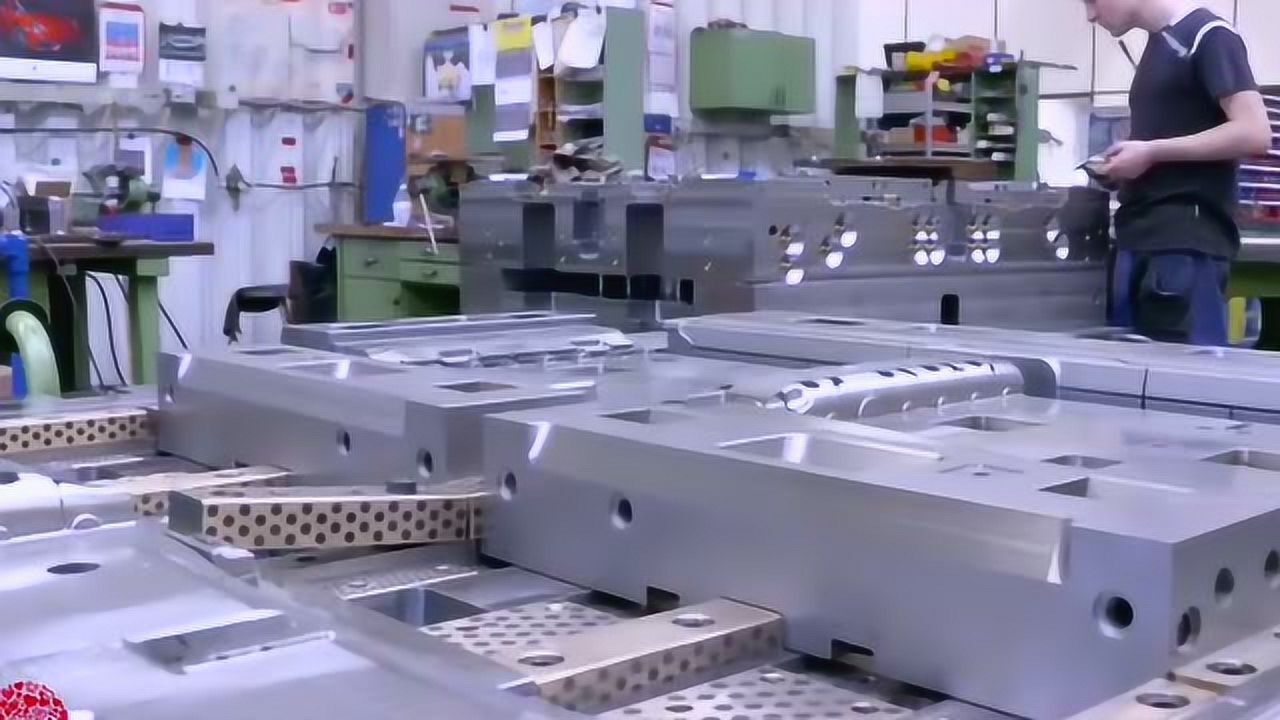
In everyday stamping production, the process sequence dictates both part quality and die longevity. Blanking, piercing, bending, and drawing are the core operations, but the real engineering lies in how they are combined. For progressive dies, the strip layout must account for material grain direction, especially in bending operations—bending parallel to the rolling direction increases the risk of cracking on the outer radius. A common shop-floor rule is to keep the bend line perpendicular to the rolling direction for high-strength steels above 590 MPa. Additionally, the cutting clearance between punch and die should be 5–8% of material thickness for mild steel, but for stainless or aluminum, that range shifts to 6–10% and 4–6%, respectively. These numbers directly affect burr height and die wear rate, so they are not optional.
Die construction details are equally critical. For piercing punches below 3 mm diameter, use guided strippers to prevent buckling, and consider high-speed steel (HSS) or powder metallurgy grades for tool life above 500,000 strokes. For forming dies, the draw radius should be at least 4–6 times the sheet thickness to avoid excessive thinning, and the blank holder force must be tuned to prevent wrinkling without restricting material flow. In practice, a nitrogen gas spring system offers more consistent force than coil springs, especially at high stroke rates. Also, pay attention to the die shut height and the press tonnage curve—if the required tonnage exceeds 80% of the press rating at the bottom of the stroke, you risk premature wear on the crankshaft and clutch. Always leave a 10–15% tonnage safety margin.
Finally, process monitoring and maintenance are where most shops lose money. Use sensors on the die to detect slug sticking or misfeeds—these events cause the majority of die damage. A simple proximity sensor on the pilot pin can save hours of downtime. Also, track die maintenance intervals based on stroke count, not calendar days. For example, a progressive die running at 200 SPM should be inspected every 100,000 strokes for wear on cutting edges and every 200,000 for forming surfaces. Lubrication type matters too: chlorinated paraffin oils work well for heavy drawing, but they require thorough cleaning before welding or painting. If you are sourcing new dies or troubleshooting existing ones, visiting MoldWorld (www.moldw.com) gives you access to a network of die builders and tooling suppliers who can provide practical, field-tested solutions.