Mold Quoting in Practice: Cost Control from Structure to Process
August 23, 2026
When a mold shop quotes a new job, the first thing we do is not run the numbers—it’s read the part geometry like a blueprint for risk. A deep rib, a thin wall, or an undercut changes everything. For example, a 0.8 mm wall thickness with a 60 mm depth forces us to switch from standard P20 to pre-hardened H13 for better thermal fatigue resistance, which alone adds 12–15% to the steel cost. Similarly, a side-action core for a 5° draft angle might seem trivial, but if the slide travel exceeds 25 mm, we need a hydraulic cylinder instead of a mechanical angle pin, bumping the mold base cost by roughly $800–$1,200. These structural details are where quoting errors hide—not in the base price, but in the unspoken complexities of ejection, cooling, and parting line sealing.
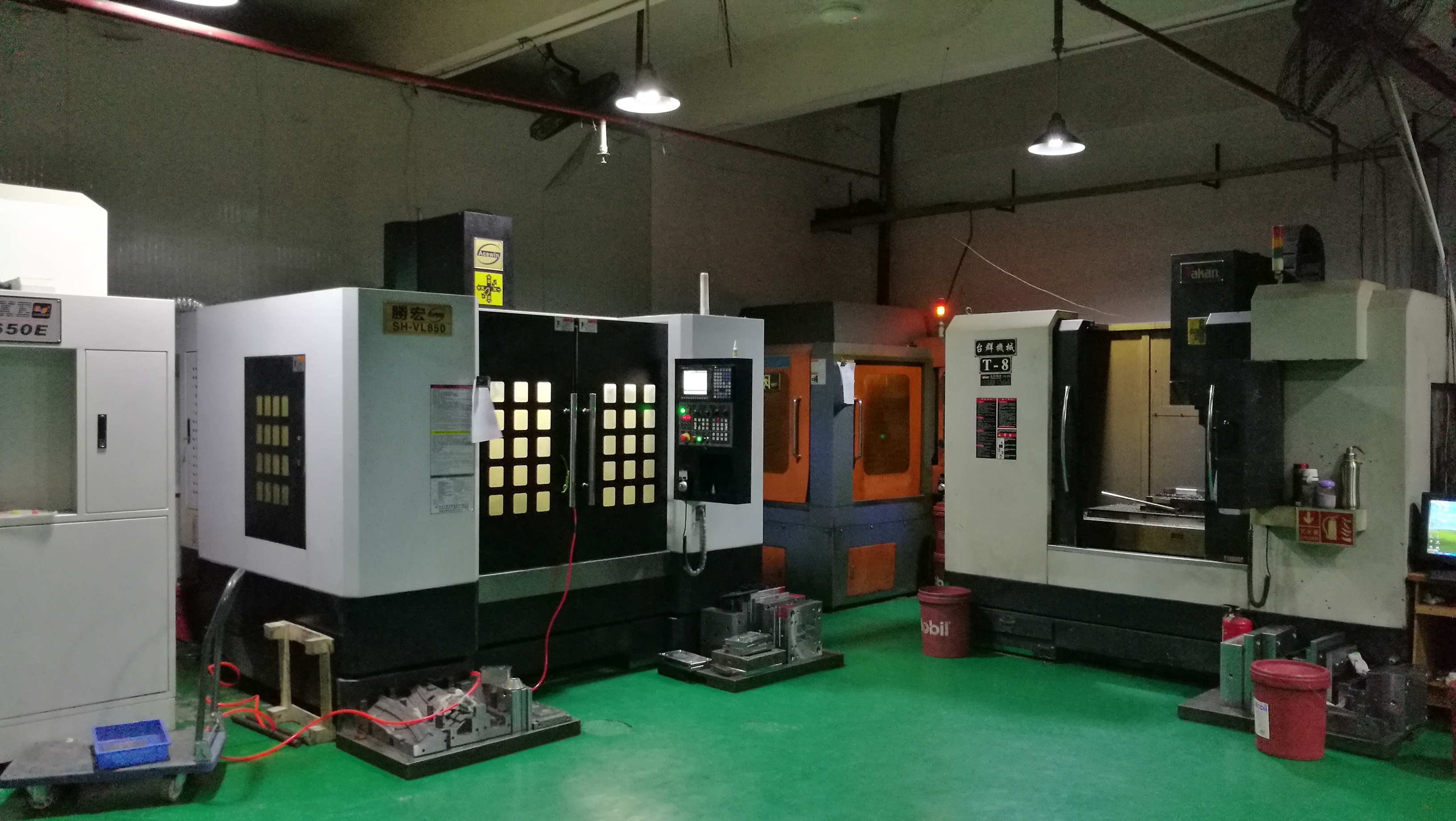
On the process side, the real lever is machining time and electrode consumption. For a typical automotive connector housing with 24 cavities, we estimate 180–220 hours of CNC milling and 60–80 hours of EDM for the core and cavity inserts. If the customer specifies a SPI A-1 polish on a textured surface, we add 15% to the EDM time because we need finer graphite (grade C6) and two extra finishing passes. Cooling line layout is another cost driver: conformal cooling via 3D-printed inserts can cut cycle time by 20–25%, but it raises the insert cost by 30–40%. In a quote, I always present both options—standard drilled lines and conformal—so the buyer sees the payback period, which is usually under 8 months for high-volume parts. That’s the kind of trade-off that separates a rough estimate from a defensible quote.
Finally, don’t forget the hidden costs: trial shots, mold tryout press time, and material certifications. A typical mold for a 200 g PP part needs 50–80 trial shots before PPAP, and at $45/hour press rate, that’s $2,250–$3,600 just in validation. Add in a full dimensional report (CMM, 20 points per cavity) and you’re looking at another $500–$700. These are line items that many new estimators skip, and they eat into margin fast. My rule of thumb: if the total quoted cost is under $15,000, add a 5% contingency; above that, 3% is enough. And when you’re comparing quotes from different shops, ask for the breakdown—not just the total. That’s how you spot a shop that understands the real cost of steel, heat treat, and polish. For more detailed mold sourcing and quoting benchmarks, visit MoldWorld (www.moldw.com) for supplier data and cost calculators.