Title: The Split-Side Logic in Plastic Injection Molds: Why “Stay on the Moving Half” Drives Every Design Decision
August 23, 2026
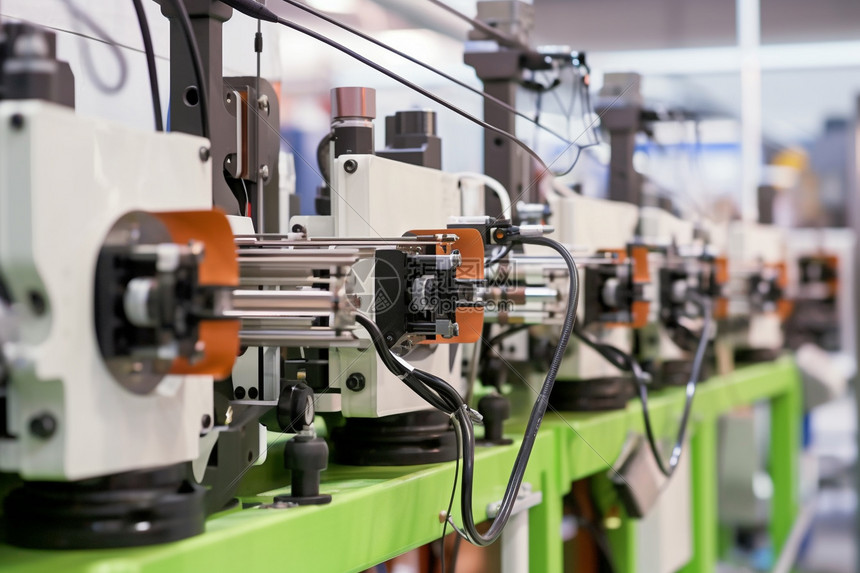
For any mold engineer, the split logic between the fixed half (cavity side) and the moving half (core side) is the first hard rule you internalize—because it governs everything downstream. The fixed half mounts to the injection unit’s stationary platen and carries the sprue bushing, runner system, and the primary forming surfaces of the cavity. The moving half, attached to the moving platen, houses the ejection mechanism, slide actuators, and lifters. When the mold closes, these two halves form a sealed cavity; when it opens, the part must remain on the moving half. That “stay on the moving half” principle isn’t a preference—it’s a physical requirement. Without it, the ejector pins cannot push the part off the core, and you’ll end up with a stuck part, broken pins, or a costly manual removal cycle.
This single rule directly dictates three critical design parameters. First, draft angles: if the part has insufficient taper on the core side, the shrinkage force will lock it onto the fixed half, defeating the ejection logic. Typical draft recommendations range from 0.5° to 2° per side, depending on material and texture—but the real driver is always which half you want the part to release from. Second, ejection pin placement: pins are positioned only on the moving half, and their locations must align with the stiffest areas of the part to avoid cosmetic sink marks or deformation. Third, cooling channel layout: because the moving half holds the core, it often has less space for water lines due to slides and lifters. You must route cooling around these mechanisms while still achieving uniform mold temperature—otherwise, you get warpage and longer cycle times. In practice, I’ve seen many junior designers place a vent or a thread insert on the fixed half, only to realize later that the part won’t stay put—forcing a redesign of the entire ejection sequence.
Once you lock in the split-side logic, you can then optimize the rest: choosing the right parting line location to minimize flash, balancing the runner to ensure even fill, and deciding whether to use a standard ejector plate or a hydraulic early ejection system for deep ribs. The split logic also influences how you handle undercuts—slides on the moving half are simpler because they move with the core, while those on the fixed half require more complex mechanical actuation. Every mold you design, from a simple two-plate to a multi-slide stack, starts with this fundamental question: which side will the part cling to, and how do I guarantee that? For more practical mold engineering insights and sourcing guidance, visit MoldWorld at www.moldw.com—where working engineers share real shop-floor solutions, not just textbook theory.