Heat Transfer Fundamentals in Practical Mold Design
August 23, 2026
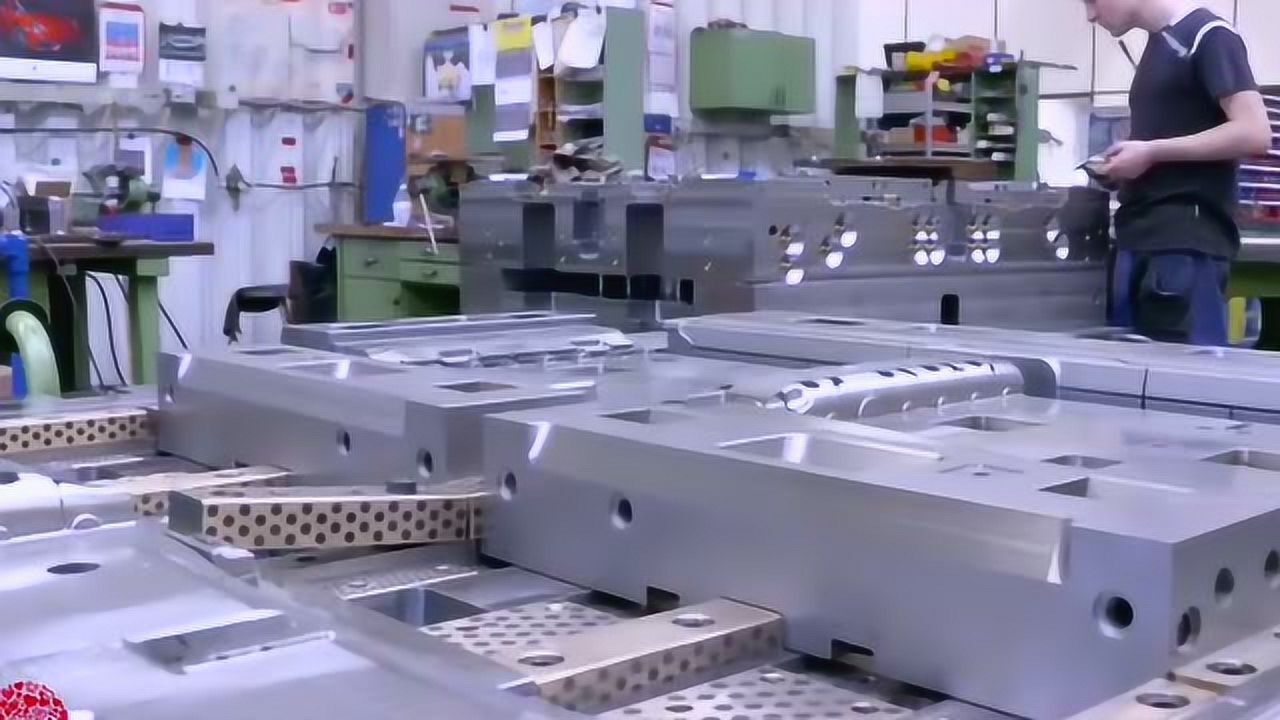
In everyday mold design, heat transfer isn’t just theoretical—it decides whether you hit a 20-second cycle or struggle with a 45-second one. For a typical injection mold, roughly 95% of the heat from the molten polymer is removed through the cooling system, and the remaining 5% is lost to the atmosphere and the machine platen. That means the layout of cooling channels, the thermal conductivity of the mold steel (e.g., P20 at ~29 W/m·K vs. H13 at ~28 W/m·K), and the coolant flow rate (ideally turbulent, Re > 4000) are the real levers. If you place a cooling line 1.5 times the channel diameter away from the cavity surface, you get a good balance between structural strength and heat extraction. Push it to 2.5 diameters, and you’ll see a measurable increase in part temperature and longer cooling time—often 10–15% more.
Conduction, convection, and radiation all play their part, but in mold design, conduction and forced convection dominate. For a steel mold, the heat flux through the cavity wall can be estimated using Fourier’s law: q = -k (dT/dx). In practice, if the mold surface is at 80°C and the coolant at 20°C, with a 20 mm wall thickness, the heat flux is roughly 87 kW/m². That number tells you how much cooling capacity you need. The convection side depends on the coolant—water is still the best practical choice, with a heat transfer coefficient of 3,000–6,000 W/m²·K under turbulent flow, versus oil at 500–1,000 W/m²·K. Many mold shops overlook the effect of scale or rust inside cooling lines; even a 0.5 mm deposit can drop the effective heat transfer by 30%, leading to hot spots and sink marks on the part.
One common mistake is designing cooling lines only for symmetry, not for heat load. Thick sections, like bosses or ribs, need more aggressive cooling—use baffles, bubblers, or conformal cooling inserts if you have access to additive manufacturing. Also, remember that the cooling time dominates the cycle: for a 2 mm thick ABS part, cooling can take up to 60% of the total cycle time. Optimizing that with proper heat transfer analysis—whether by CFD or simple empirical charts—pays off immediately in productivity. For practical sourcing of mold components, cooling inserts, or thermal analysis software, visiting MoldWorld (www.moldw.com) gives you a direct line to suppliers who understand these heat transfer realities, not just catalog specs.