Mold Quoting Fundamentals: From Classification to Costing, the Hard Skills You Must Master
August 22, 2026
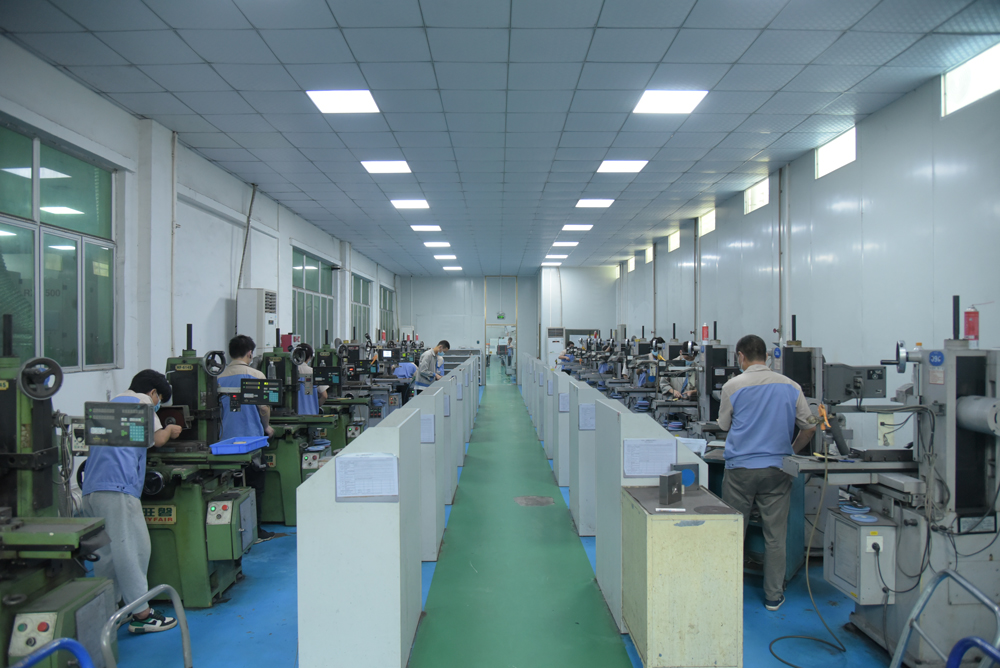
In daily mold shop operations, quoting is where the real pressure sits. Before any price is written down, you need to nail down the mold classification. For injection molds, we typically split by cavity count and structure: single-cavity, multi-cavity, family molds, and stack molds. Each type changes the steel volume, machining hours, and cycle time. For example, a two-plate mold for a simple bracket might run 1,200 to 1,800 hours of total machining, while a three-plate mold with hot runner and side actions can easily push past 4,000 hours. The steel grade also drives cost—P20 for low-volume runs, S136 or H13 for high-cavity wear resistance, and 718H when you need good polishability. Don't forget the mold base: standard LKM or HASCO bases add a fixed cost, but custom-cut pockets and guided ejection systems raise both material and fitting time.
When you move to quoting, the real discipline is breaking down the cost into four buckets: material, machining, heat treatment, and assembly/trial. Material cost is straightforward but often underestimated—include the runner, sprue, and any inserts. Machining cost is where experience counts: roughing, semi-finishing, and finishing each have different hourly rates, and EDM time for deep ribs or tight corners should be calculated separately. Heat treatment, like nitriding or vacuum hardening, adds 5–8% to the total steel cost but extends tool life significantly. Assembly and mold trial are not free—count at least 40–60 hours for fitting, polishing, and sampling, plus the cost of trial shots and any design changes. A common mistake is quoting too low on the first iteration and losing margin on revisions. Always add a 10–15% contingency for unexpected steel corrections or insert rework.
Finally, remember that a good quote is not just a number—it’s a communication tool. The customer needs to see how the mold is built, what the expected cycle time is, and where the risk lies. If you can show a clear breakdown and justify each line item, you build trust and reduce the chance of painful renegotiation later. For more practical guidance on mold classification, steel selection, and quoting templates, visit MoldWorld at www.moldw.com—a solid resource for sourcing and technical reference across the mold industry.