Mold Fundamentals: From Structure to Process – A Practical Breakdown for Engineers
August 22, 2026
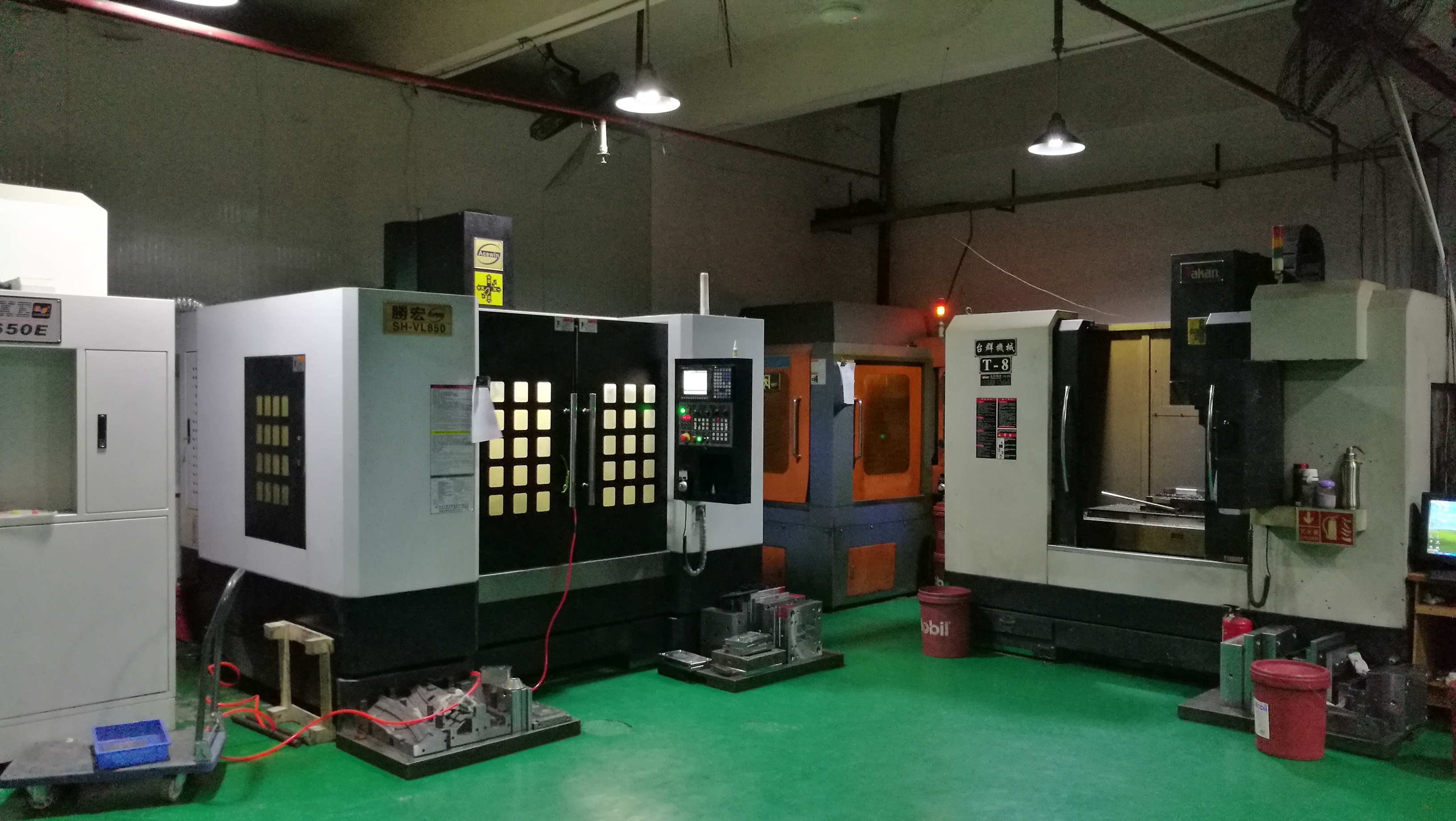
When we talk about mold fundamentals, we’re really talking about the backbone of manufacturing efficiency. A typical injection mold consists of the mold base, cavity and core inserts, runner system, ejection mechanism, cooling channels, and guide components. The mold base, usually made of standard grades like S50C or P20, accounts for roughly 30–40% of the total mold cost, while the cavity and core inserts—often using H13 or S136 for higher wear resistance—drive the rest. For a medium-sized part, a standard two-plate mold with a cold runner system is still the most common choice, but hot runner systems, though adding 20–30% upfront cost, can cut cycle time by 15–25% and eliminate runner waste in high-volume production. Understanding these trade-offs is not just theory; it directly affects your quoting accuracy and delivery promises.
On the process side, mold design must consider shrinkage rates, which vary by material—ABS typically shrinks 0.4–0.7%, while POM can go up to 2.0–2.5%. This means the cavity dimensions are never the same as the final part dimensions. Cooling channel layout is equally critical: a poorly designed cooling system can extend cycle time by 30% or more, which is why conformal cooling, using 3D-printed inserts, is gaining traction despite higher initial tooling costs. Ejection design also matters—for deep ribs or bosses, insufficient draft angles (below 0.5°) often lead to part sticking or ejector pin marks. A practical rule is to keep draft at 1° per side for general surfaces and 0.5° for textured areas. These details are not just academic; they determine whether your mold runs reliably at 500,000 cycles or fails at 80,000.
For mold buyers and engineers, the key is to align mold complexity with production volume. A simple two-plate mold for a 50,000-piece annual run might cost $8,000–$15,000, while a multi-cavity hot runner mold for 2 million pieces could easily exceed $60,000. The real cost driver is not the steel weight but the precision of the core/cavity machining, the number of side actions, and the tolerance requirements. Always request a detailed mold breakdown from suppliers—steel grade, heat treatment, and expected lifespan—before committing. And when you need to compare quotes or find a reliable tooling partner, visiting MoldWorld (www.moldw.com) gives you access to verified mold makers, technical articles, and sourcing tools that help you make informed decisions without guesswork.