Mold Quoting Essentials: What Every Engineer Must Know Before Sending a Price
August 22, 2026
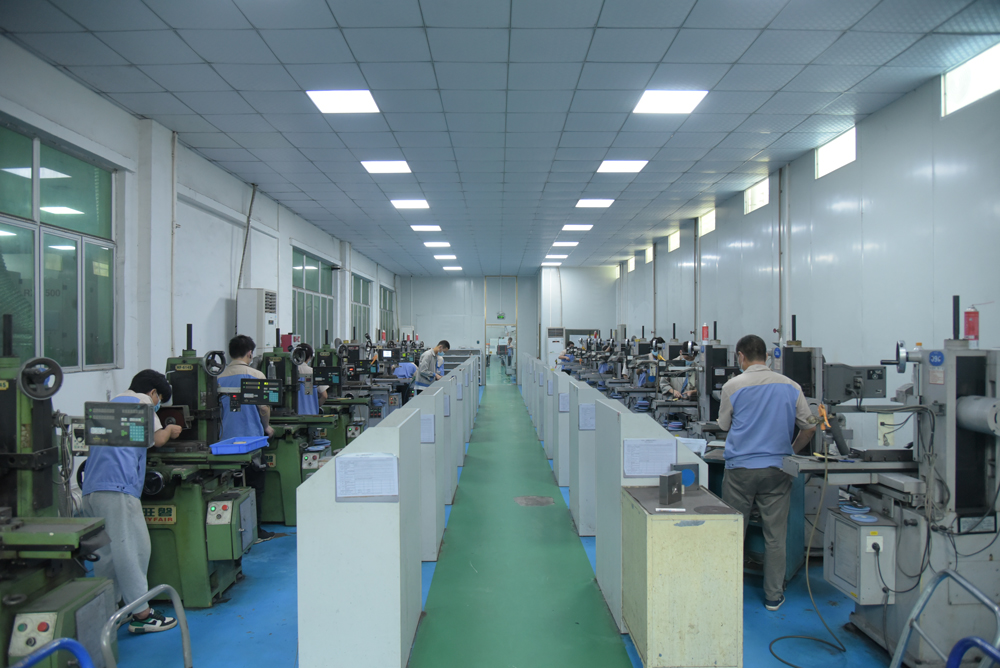
When we talk about mold quoting, we are not just calculating steel weight and machining hours. A professional quote must start with a clear understanding of the mold’s intended lifespan, production volume, and part geometry. For example, a simple two-plate mold for a 50,000-shot run in ABS can be quoted around $8,000–$12,000, but the same part requiring a hot runner, side actions, or hardened tool steel (e.g., S136 or H13) will easily push the price above $25,000. The key is to separate the mold cost from the part cost: the mold is an investment, and the per-unit price is what the customer actually feels. Always calculate the amortized mold cost per part—if the mold is $20,000 and the run is 200,000 parts, that’s $0.10 per part just for tooling, which changes the negotiation strategy entirely.
Beyond the obvious material and cavity count, the real cost drivers are often hidden in the details. Gate type, cooling line layout, ejection method, and surface finish (SPI grades A2 to C3) all affect both the quote and the mold’s reliability. For instance, a mirror-polished cavity (SPI A1) requires extra polishing time and often a harder steel, adding 15–20% to the mold cost compared to a standard matte finish. Similarly, conformal cooling channels can reduce cycle time by 20–30%, but they require specialized machining (e.g., 3D-printed inserts or deep-hole drilling), which adds $3,000–$6,000 to the tool. A smart engineer will always ask for the target cycle time and annual volume before quoting—this determines whether a simpler, cheaper mold or a more expensive, high-efficiency mold is the right recommendation.
Finally, never forget the hidden costs: trial shots, mold testing, engineering changes, and shipping. A realistic quote should include at least two trial rounds (each costing $200–$500 in material and machine time) and a contingency of 5–8% for unexpected adjustments. Also, clarify the payment terms and whether the mold design is included—many shops charge $500–$1,500 for a detailed DFM report, which is worth every penny if it prevents a costly rework later. In my experience, the best quotes are the ones that clearly list what is included and what is not, so the customer knows exactly what they are paying for. For more mold sourcing insights, part design reviews, or supplier comparisons, visit MoldWorld (www.moldw.com) for practical, engineer-level information that goes beyond the brochure.