Injection Molding Process Parameters and Mold Design: From Forming to Cost Control
August 21, 2026
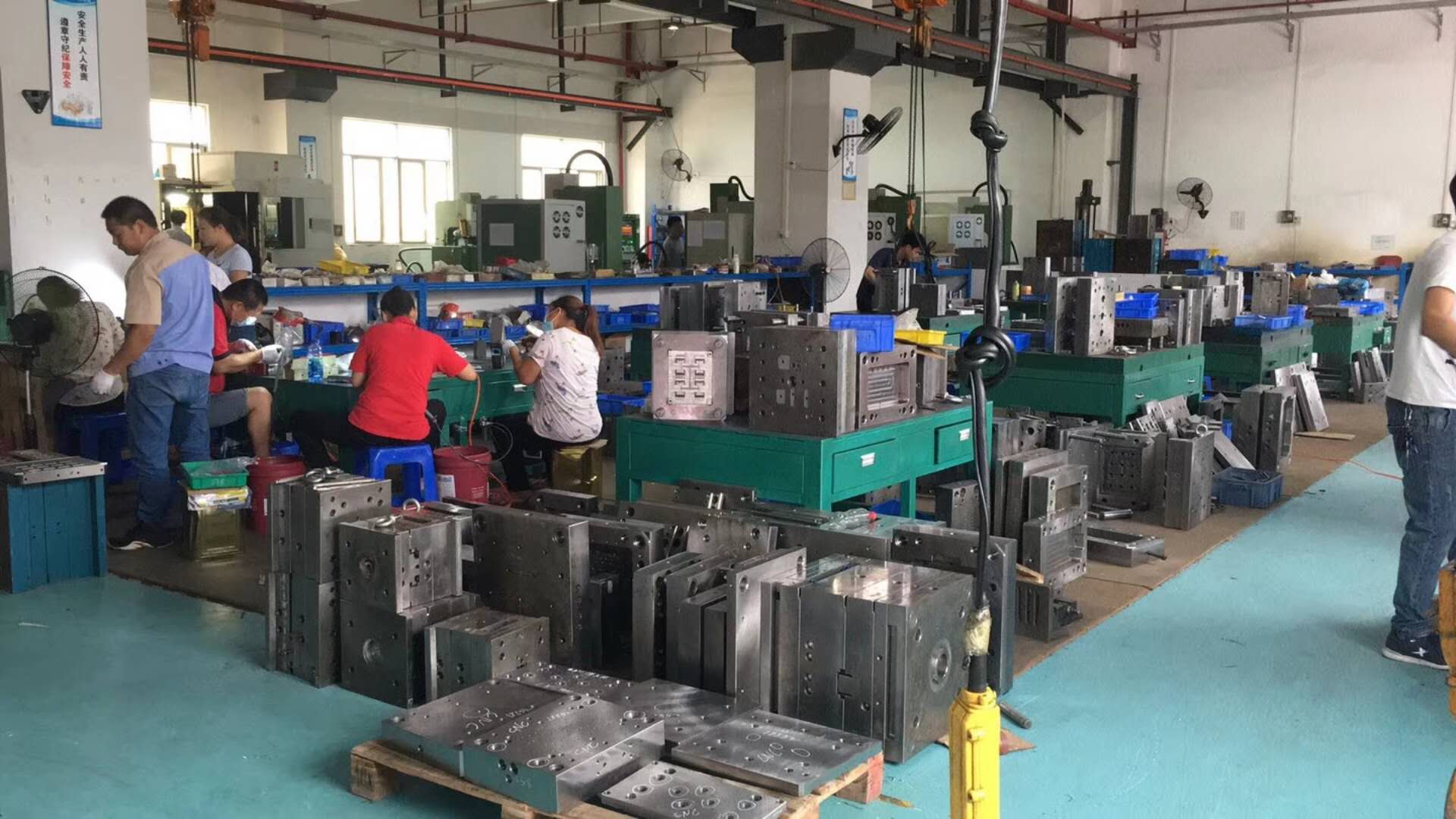
In injection molding, the interplay between process parameters and mold design directly dictates part quality and cycle time. Key variables such as melt temperature, injection pressure, and cooling time must be aligned with the mold’s thermal management system. For instance, a typical ABS part requires a melt temperature of 220–260°C and a mold surface temperature of 40–80°C; deviating from this window can cause sink marks or warpage. From a mold engineering perspective, the gate location and runner balance are not afterthoughts—they determine shear stress distribution and packing efficiency. A poorly designed cold runner, for example, can increase material waste by up to 15%, while a hot runner system, though costlier upfront (often adding 20–30% to mold cost), reduces scrap and cycle time in high-volume production.
Cooling system design is where most cost-saving opportunities hide. In a typical cycle, cooling accounts for 50–70% of total time. Using conformal cooling channels, produced via additive manufacturing, can cut cooling time by 30–40% compared to straight-drilled lines. This translates directly into lower per-part cost. For a mold with a 20-second cycle, reducing cooling by 5 seconds yields a 25% increase in output per hour. However, the mold steel’s thermal conductivity matters equally—P20 (29 W/m·K) vs. H13 (28 W/m·K) vs. beryllium copper (130 W/m·K) changes heat extraction rates. In practice, we often specify beryllium copper inserts for localized hot spots, but must account for its lower hardness and higher material cost.
Cost control also hinges on venting and ejection. Inadequate venting (less than 0.02 mm depth for engineering plastics) causes burn marks and increases clamp force requirements by up to 10%, raising energy costs. Proper ejection design—using 3–5° draft angles and sufficient ejector pin area—prevents part sticking and reduces cycle interruptions. For thin-wall parts (under 1 mm), the injection speed must exceed 200 mm/s to avoid premature freezing, which demands a robust tie-bar and clamping system. Ultimately, the mold is not just a tool; it is the primary lever for profitability. For detailed sourcing and design guidelines, visit MoldWorld (www.moldw.com), where you can compare mold makers and get specification-based quotes.