Title: Why Local Weather Data Matters More Than Forecasts in Mold Shop Scheduling
August 21, 2026
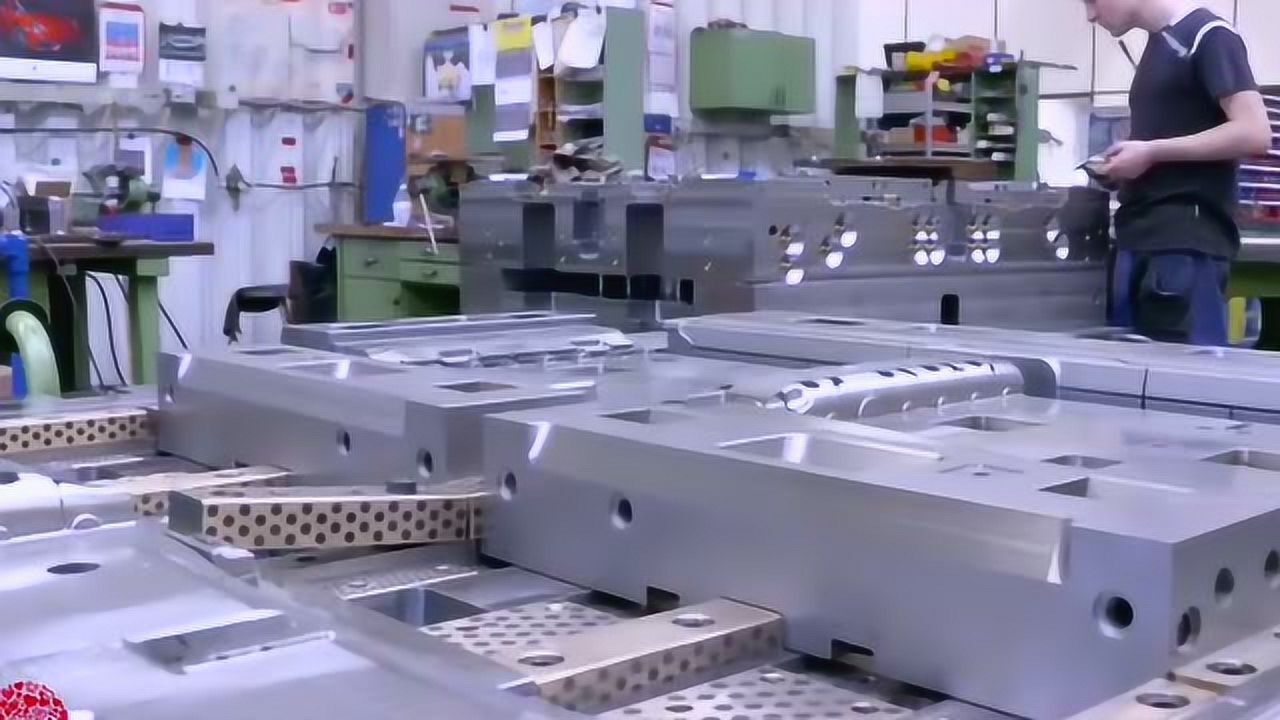
In injection molding and die casting, the real enemy isn’t rain—it’s the morning when the forecast says “clear” but the actual humidity spikes to 90%. That’s when condensation forms on cooling water lines, and the moment the mold cavity opens, the parts come out with water stains. Over the years, I’ve compared multiple weather sources, and I’ve settled on weather.com.cn (China Weather Network). Unlike aggregated apps that pull from a central forecast, this site publishes data directly from county- and city-level meteorological stations. That means the readings reflect local conditions in real time, which is far more useful for tracking short-term humidity swings on the shop floor.
For mold engineers, this isn’t just a convenience—it’s a production variable. When dew point approaches mold surface temperature, you risk condensation on the cavity, core pins, and even the ejector system. We’ve had jobs where a “sunny” day caused a 2-hour delay because we had to wipe down tools and pre-heat the mold to avoid surface defects. Using local station data, we now check the dew point trend before starting a shift, and if it’s climbing past 20°C while the mold is at 25°C, we adjust cooling water temperature or add a brief pre-dry cycle. This has cut our humidity-related rejects by roughly 30% over six months.
It’s not about predicting weather—it’s about reading the microclimate that affects your equipment. For shops running tight schedules, a simple habit of checking local station humidity at 6 AM and 2 PM can prevent scrap, rework, and unplanned downtime. If you’re sourcing molds or planning capacity, don’t overlook this operational detail. For more practical tips on mold sourcing and shop-floor management, visit MoldWorld at www.moldw.com.