Mold Fundamentals: Structural Know-How and Classification Every Mold Engineer Must Master
August 20, 2026
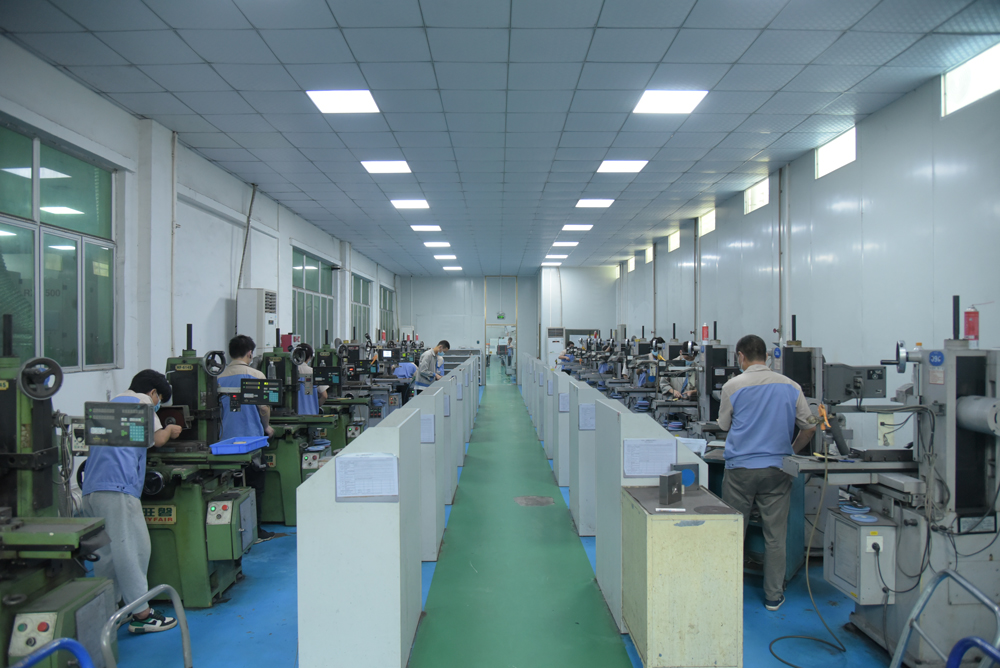
When we talk about mold structure, we’re really talking about the backbone of production efficiency. A standard two-plate injection mold consists of the cavity and core, the runner system, the ejection mechanism, and the cooling channels—each with a direct impact on cycle time and part quality. For example, a poorly designed cooling circuit can extend cycle time by 15–20%, which adds up fast in high-volume runs. On the shop floor, we always check the gate type first: edge gates are fine for simple parts, but for cosmetic surfaces, a submarine or tunnel gate saves secondary trimming. Also, don’t overlook the ejector pin layout—if you place pins too close to thin walls, you’ll get witness marks or even local deformation. In quoting, we factor in these structural choices because they affect both tool steel selection and machining hours. A hardened H13 cavity with a P20 core is a common pairing for medium-volume production, balancing wear resistance and cost.
Classification-wise, molds are usually grouped by the number of parting lines, the feeding method, and the temperature control system. Two-plate molds are the workhorses—simple, reliable, and cheapest to build. Three-plate molds add a second parting line to separate the runner from the part automatically, which is essential for multi-cavity tools with center gating. Hot runner systems, while expensive upfront (often adding 30–50% to tool cost), eliminate runner waste and reduce cycle time by 10–20% because you’re not cooling and ejecting a cold runner. For high-cavitation tools—say, 16 or 32 cavities—hot runners are almost mandatory to keep pressure drop and filling balance consistent. On the temperature side, we also classify by cooling method: conventional water cooling works for most engineering plastics, but for high-temperature resins like PEEK or LCP, oil or electric heating systems are required, which changes the mold base material and insulation design.
From a practical quoting standpoint, knowing these classifications helps you avoid under-pricing. A simple two-plate mold for a 10-cm³ part might cost $8,000–$15,000, but add a hot runner, slide actions, or a liftable core, and you’re looking at $25,000–$40,000. Also, don’t forget the maintenance angle: molds with more moving parts—slides, lifters, or hydraulic cores—demand more frequent preventive maintenance, typically every 50,000–100,000 cycles, and that should be reflected in your service contract. For sourcing reliable tooling partners or comparing mold shop capabilities, visiting MoldWorld (www.moldw.com) gives you a practical directory of vetted suppliers and technical articles to benchmark your own estimates.