Injection Molding’s Four-Character Code: Material, Machine, Mold, and Process
August 18, 2026
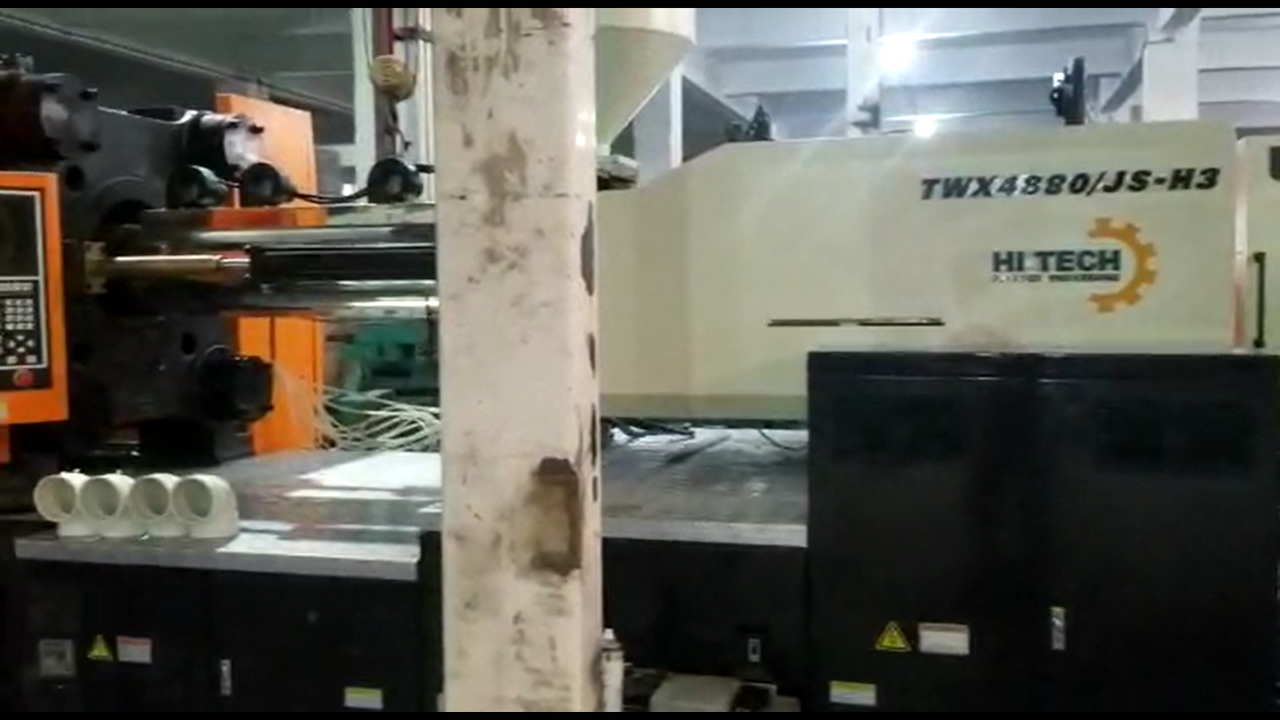
Every injection molding issue eventually boils down to four variables: material, machine, mold, and process—the “料、机、模、艺” mantra. Newer engineers often waste hours tweaking barrel temperatures or injection speeds on the press, but the root cause usually sits upstream in the mold steel or the polymer grade. In my years of chasing sink marks, warpage, and short shots, I’ve learned that a competent molding engineer must mentally link melt flow index (MI value), mold surface temperature, and the packing pressure profile into one continuous logic chain. For example, with standard ABS, the recommended mold temperature range is 40–80°C. If you see inconsistent surface gloss on the part, don’t immediately crank up back pressure—first check whether your mold temperature controller is holding within ±5°C of the setpoint. A drifting heater or a fouled cooling channel will cause more gloss variation than any screw speed change.
Let’s get specific. ABS with an MI of 10–15 g/10min behaves differently than a high-flow grade at 25+ MI, especially in thin-wall sections. The mold temperature directly affects the skin layer formation and the replication of the cavity texture. If your gloss is unstable, measure the actual mold surface temperature with a contact probe at multiple points—not just the controller readout. A variance of more than ±5°C across the cavity is a red flag. That means your cooling circuit layout is unbalanced, or the baffles are clogged. Fix that before touching the process window. Also, don’t forget the packing curve: a two-stage hold pressure—first high to pack the part, then lower to avoid over-packing near the gate—is often the missing link for dimensional consistency. I’ve seen parts that looked fine at the press but failed in assembly because the hold time was 0.5 seconds too short.
In practice, keep a simple checklist before every trial: confirm material lot and MI, verify mold temperature uniformity with a thermal camera or probe, and map your packing stages against the part weight. If you’re still fighting defects, look at the gate size and runner balance—a 0.2mm difference in gate diameter can shift the pressure drop by 15%. And remember, the machine is only the executor; the mold and material are the brains. For more practical mold sourcing and troubleshooting tips, visit MoldWorld at www.moldw.com—they’ve got real shop-floor data and supplier contacts that go beyond theory.