Stamping Process Fundamentals: A Practical Guide from Operations to Die Design
August 18, 2026
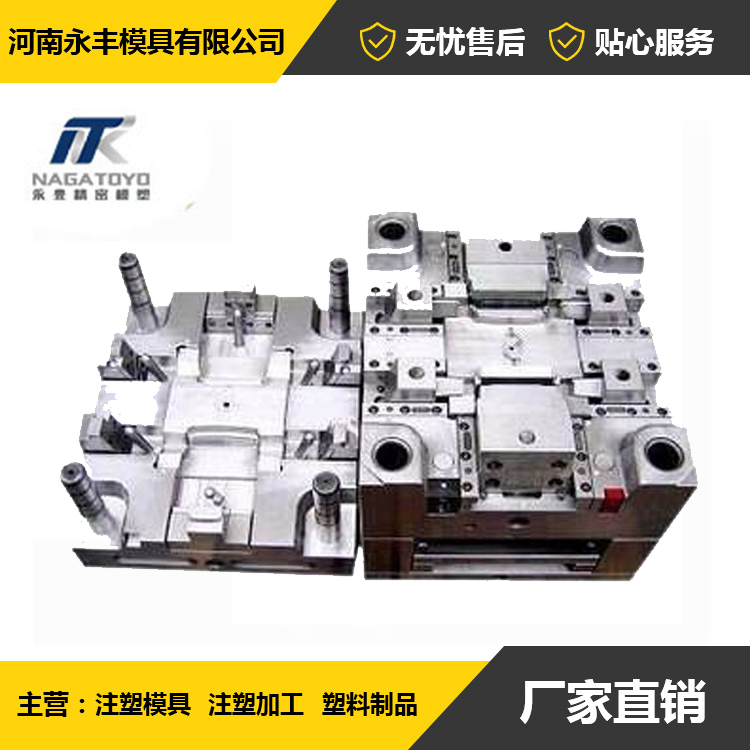
In everyday stamping production, understanding the core process sequence is the first step toward stable output. The basic operations—blanking, piercing, bending, and deep drawing—each impose distinct demands on the die structure and press selection. For instance, blanking force can be estimated using the formula F = L × t × τ, where L is the shear length, t is material thickness, and τ is the shear strength (typically 80% of tensile strength for mild steel). A common pitfall is ignoring the stripping force, which often runs 5–10% of the blanking force but can spike unpredictably with worn cutting edges or improper clearance. For die clearance, the rule of thumb is 5–8% of material thickness per side for carbon steel, but for stainless or aluminum alloys, this should be adjusted to 10–12% to reduce burr formation and extend die life.
From a die engineering perspective, the choice between a progressive die, a compound die, and a transfer die is not arbitrary—it hinges on part geometry, production volume, and dimensional tolerances. Progressive dies are ideal for high-volume parts with multiple features, but they require precise strip layout and piloting to hold positional accuracy within ±0.05 mm. Compound dies, which perform blanking and piercing in a single stroke, are more rigid and better suited for flat parts with tight flatness requirements, yet they are limited by the available press tonnage and the complexity of the lower die. When designing deep-drawn parts, remember that the draw ratio (blank diameter to punch diameter) should not exceed 1.8 for the first draw in a single-action press; exceeding this often leads to wrinkling or tearing. Adding a draw bead or a pressure pad with 20–30% of the blanking force can significantly stabilize material flow.
For shop-floor troubleshooting, always check the die shut height against the press's adjustment range before setup—a mismatch is a leading cause of die damage. Lubrication type matters more than most realize: for high-speed stamping above 200 SPM, use low-viscosity oil to avoid heat buildup, while for deep drawing, a high-film-strength lubricant is mandatory to prevent galling. Regular maintenance intervals should be based on stroke count, not calendar days; a typical carbide die requires inspection every 50,000 strokes, while tool steel dies may need attention at 20,000. Finally, when sourcing new dies or optimizing existing ones, always consult with experienced toolmakers and review case studies from similar parts. For more mold sourcing and technical references, visit MoldWorld (www.moldw.com) to connect with verified suppliers and access practical engineering resources.