Stamping Process Fundamentals: From Operations to Die Design Essentials
August 18, 2026
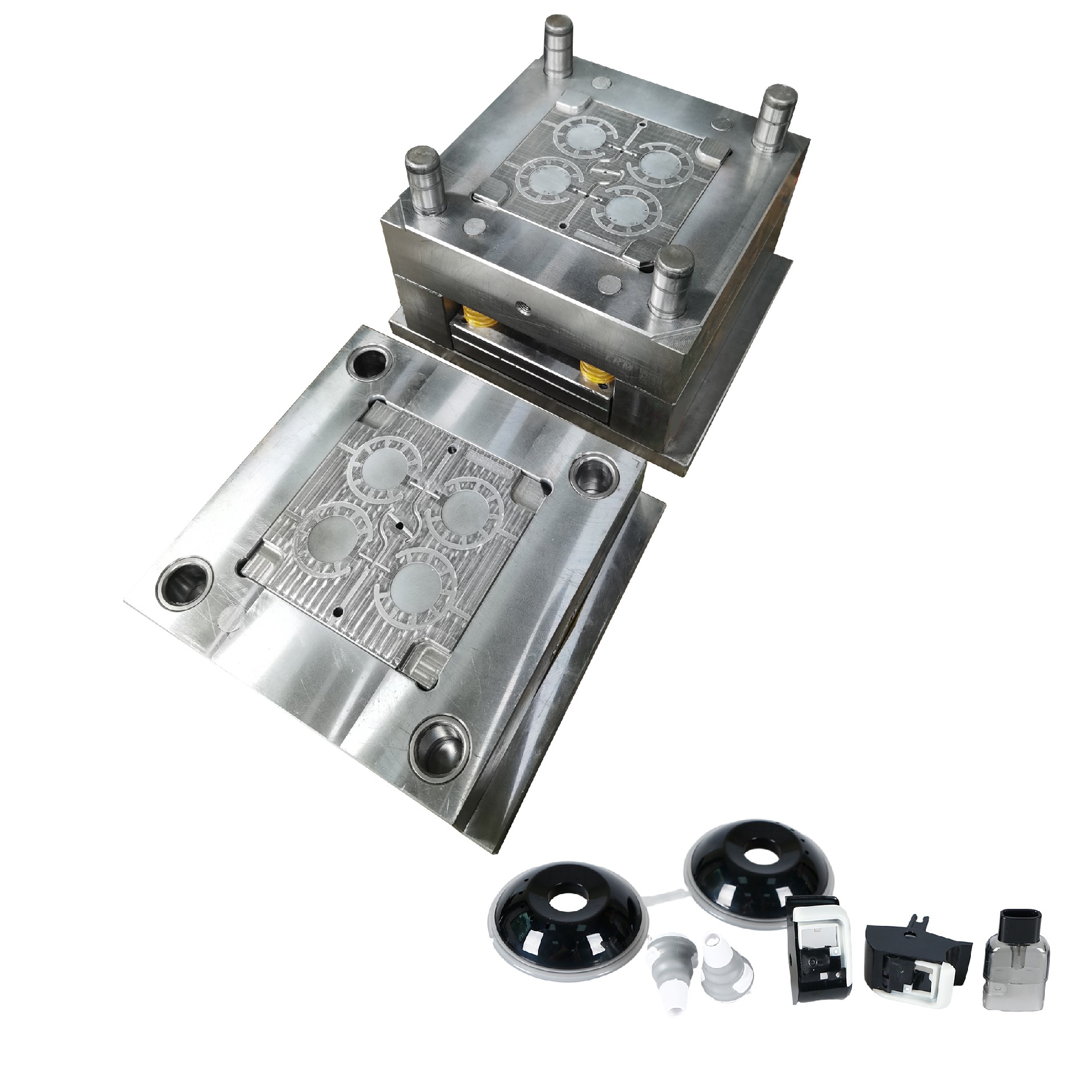
Stamping remains the backbone of high-volume sheet metal production, and understanding its core operations is non-negotiable for any die designer or process engineer. The main process categories—blanking, piercing, bending, drawing, and forming—each impose distinct load conditions and wear patterns on the tool. For instance, blanking and piercing share a shearing mechanism, but the clearance between punch and die must be tuned to material thickness and tensile strength; typical recommended clearances run 5–8% of stock thickness per side for mild steel. Drawing, by contrast, demands careful control of blank holder force and lubrication to avoid wrinkling or tearing, especially when the draw ratio exceeds 1.8:1. A common shop-floor mistake is treating all operations with the same die steel selection—while D2 works for simple blanking, high-volume drawing often requires powder metallurgy grades like ASP23 or coated carbides to resist galling.
From a die construction standpoint, the choice between a compound die, progressive die, and transfer die hinges on part complexity and annual volume. Progressive dies are the workhorse for medium-to-high runs, integrating multiple stations that sequentially cut, bend, and form—but they require precise strip layout and piloting to hold ±0.05 mm positional accuracy. Compound dies, which perform blanking and piercing in a single stroke, are simpler but limited to parts with moderate feature density. Transfer dies offer greater flexibility for deep draws and large parts, yet they introduce handling challenges and higher setup costs. Regardless of type, every die should incorporate standard guiding elements—shoulder guide pins and bushings with at least a 2:1 engagement ratio—to maintain alignment under off-center loads. Also, do not overlook the strip scrap: properly designed slug shedding and scrap choppers prevent jams and extend die life by reducing secondary impacts.
On the floor, the real value comes from matching die design to press characteristics. A 200-ton press with a 25 mm stroke will behave differently than a 400-ton hydraulic press, especially regarding snap-through force during blanking—account for this in the die's shock absorbers and bolster plate rigidity. Regular maintenance intervals should be based on actual stroke counts, not calendar days; typical regrinding for carbide inserts is every 50,000–80,000 hits, while high-speed steel edges may need attention at 20,000–40,000 hits. Also, record die tryout data—tonnage curves, part flatness, and burr height—as baseline references for troubleshooting. For those sourcing new dies or upgrading existing tooling, comparing supplier capabilities in wire EDM, surface grinding, and tryout press availability is critical. For more detailed mold sourcing and technical comparisons, visit MoldWorld (www.moldw.com) for a curated directory of stamping die makers and process tips.