Mold Structure and Process Knowledge: The Foundation of Every Mold Engineer’s Craft
August 18, 2026
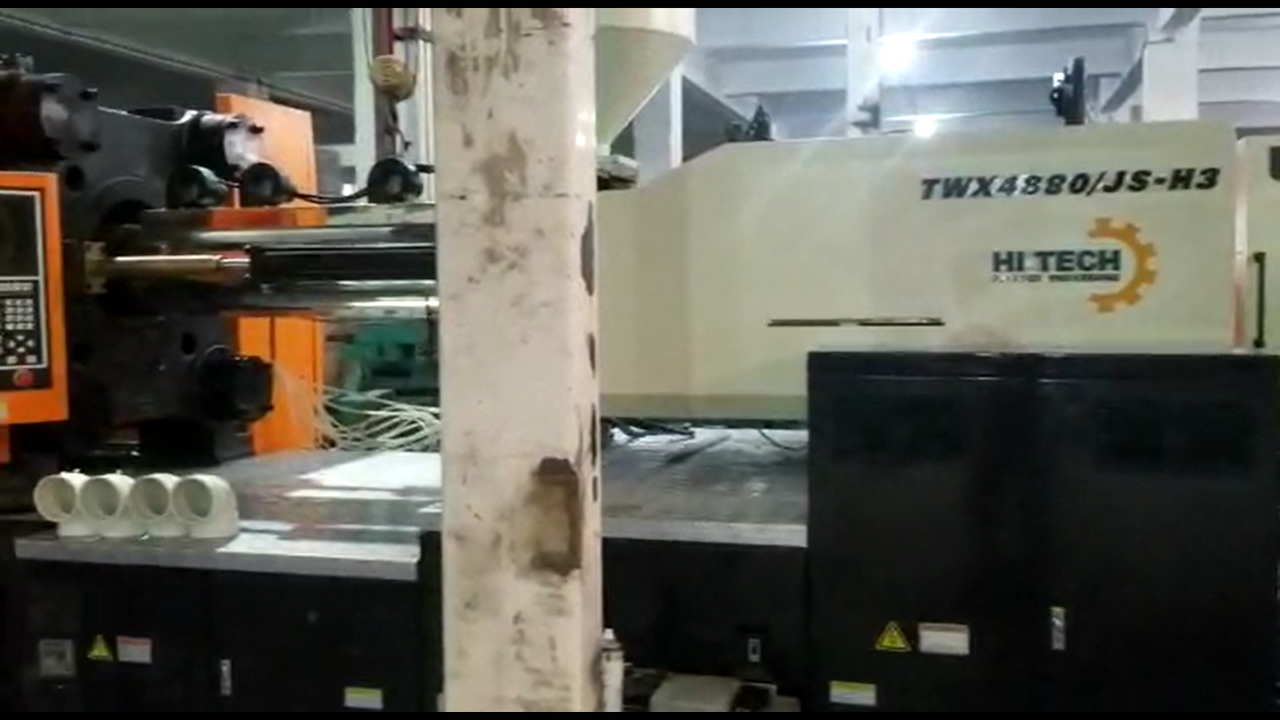
For any mold engineer, mastering mold structure and process knowledge is not optional—it is the core discipline that separates a reliable tool from a recurring headache. In injection molding, the choice of the parting line is the first major decision, directly influencing ejection smoothness and flash control. A poorly placed parting line can lead to uneven shut-off forces, causing flash that requires secondary trimming. Meanwhile, the gating system must be designed to balance melt flow and suppress sink marks. In my experience, unbalanced fill is often traced back to an undersized or poorly positioned gate, which creates pressure drops and uneven packing—especially problematic in thin-wall housings or optical components where dimensional stability is non-negotiable.
Cooling channel design is where many molds quietly fail. Uneven spacing between cooling lines leads to localized thermal stress concentration, which over time distorts the cavity steel. This is particularly fatal in precision electronic parts, where even a few microns of warpage can render a component unusable. I have seen molds with a 0.5 mm deviation in cooling line pitch cause a 15–20% increase in cycle time and a measurable rise in reject rates. The fix is not exotic—it is disciplined layout: using conformal cooling where possible, maintaining consistent wall thickness between channels, and verifying flow rates with simulation before cutting steel. These are the basics that every engineer should internalize, not just memorize.
Beyond design, assembly and maintenance are equally decisive. A mold that is easy to disassemble and clean will always outlast one that is not. Dowel pin alignment, venting depth, and ejector return springs—these small details determine whether a mold runs smoothly for 500,000 cycles or fails at 150,000. In practice, I recommend documenting every modification and keeping a log of wear patterns; this data is gold for future projects. The industry saying “the mold is the first key to opening the door of industrialization” holds true because these foundational decisions are made early and paid for every day on the shop floor. For further sourcing and technical reference, visit MoldWorld at www.moldw.com—a practical resource for mold buyers and engineers alike.