Mold Quoting Logic: Structural and Process Considerations from an Engineer’s Perspective
August 18, 2026
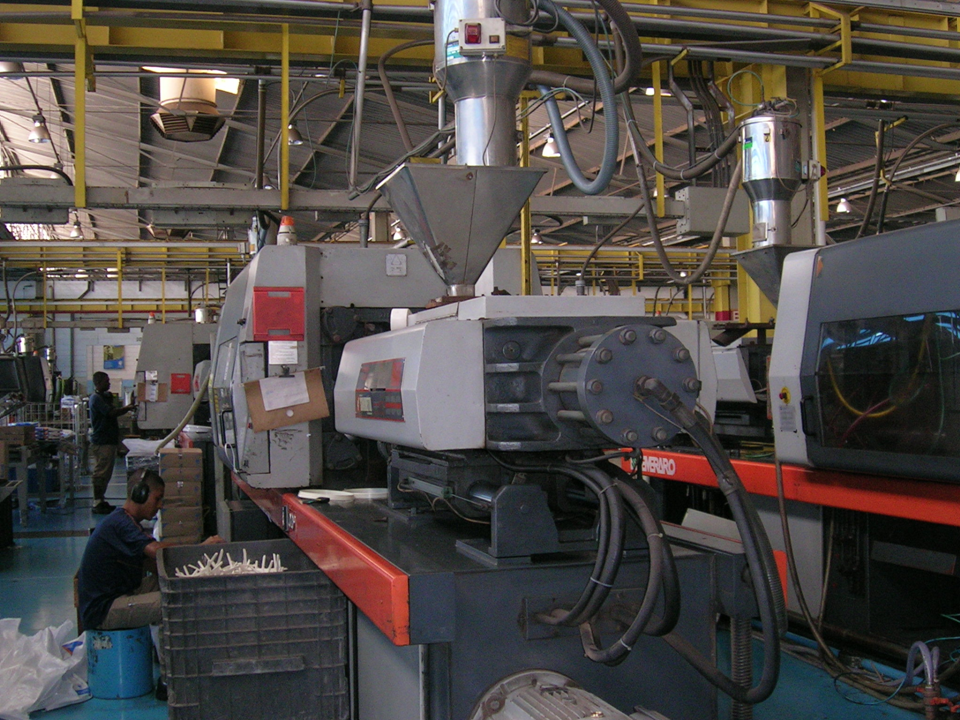
When a mold shop receives an RFQ, the first instinct is often to price per kilogram of steel or by estimated cycle time. But from an engineer’s standpoint, that approach misses the core drivers of cost: the mold’s structural complexity and the process sequence required to build it. For instance, a simple two-plate mold for a flat housing may quote at $8,000–$12,000, while a three-plate mold with hot runner, side actions, and lifters for the same part can easily jump to $25,000–$35,000. The difference lies not in material volume but in the number of moving components, the precision of fits, and the added machining steps like wire EDM for shut-off surfaces or five-axis milling for angled cores.
Process logic also dictates how we quote. A mold with deep ribs and thin walls forces us to consider cooling line placement and ejection balance—this directly affects cycle time and tool life. For example, a 2-mm rib depth may allow conventional drilled cooling, but a 6-mm rib with a 1.2-mm wall requires beryllium-copper inserts or conformal cooling channels, which raise both machining time and material cost. Similarly, if the part has a 0.5-degree draft on a textured surface, we must add a polishing and texturing step that adds 3–5 days to lead time. These are not “extras”—they are structural necessities that a seasoned quoting engineer will flag before the customer even asks, because they influence the mold’s reliability and the part’s dimensional consistency over 100k shots.
Finally, quoting is about risk allocation. A mold with 12 lifters and 4 slides has a higher chance of wear or misalignment, so we factor in spare parts and preventive maintenance schedules. We also consider the steel grade—S136 for corrosion-resistant optical parts, H13 for hot work—and whether we need vacuum heat treatment or nitriding, which adds 10–15% to the tooling cost. Good quoting is not about the lowest number; it’s about a defensible number that covers engineering hours, trial shots, and potential rework. For a deeper dive into mold cost breakdowns and practical sourcing strategies, visit MoldWorld at www.moldw.com—a solid resource for comparing shop capabilities and getting realistic quotes.