Plastic Injection Mold Fundamentals: A Practical Breakdown of Moving and Fixed Halves
August 17, 2026
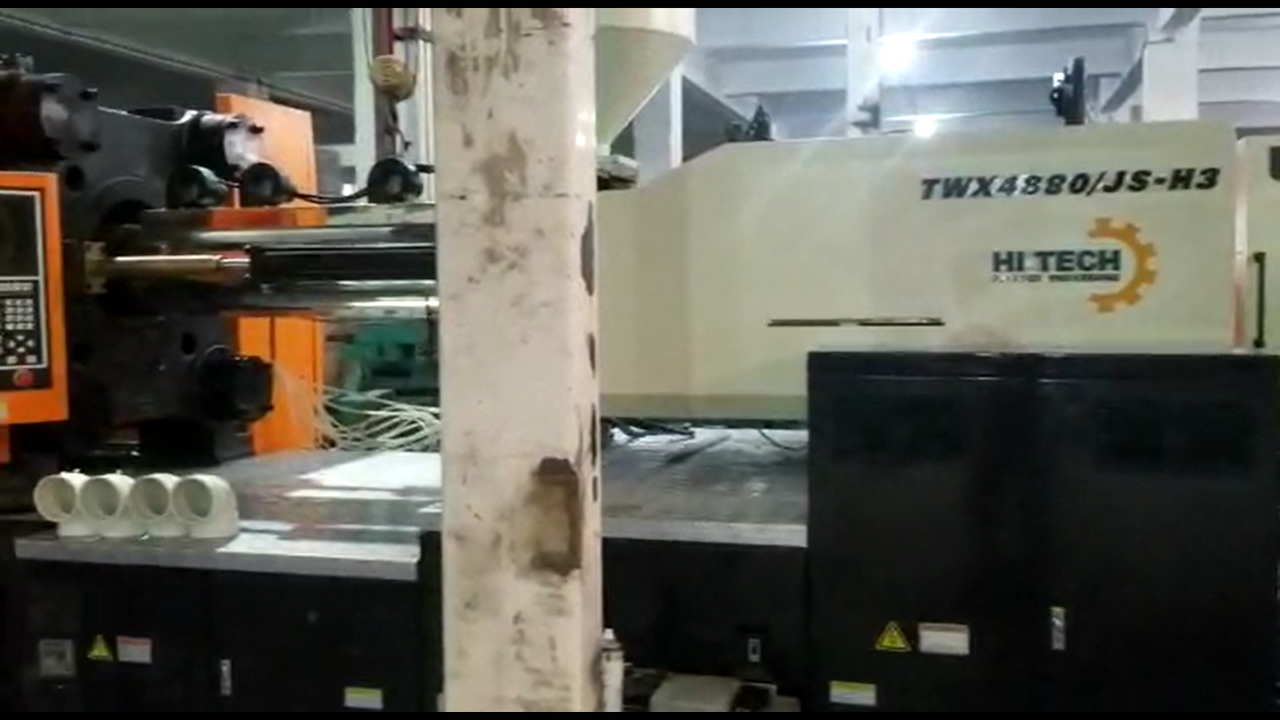
In everyday injection molding, the mold is split into two primary halves: the fixed half (cavity side) and the moving half (core side). The fixed half is bolted to the injection machine’s platen and contains the sprue bushing, locating ring, and often the hot runner manifold. The moving half, attached to the clamping unit, carries the ejector system, guide pins, and return pins. During the clamp phase, the two halves meet under tonnage—typically 3 to 5 tons per square inch of projected area for commodity resins like ABS or PP. The parting line, where the two halves meet, is the most critical sealing surface; any mismatch of more than 0.02 mm can cause flash, so mold makers grind and polish this surface to a specified flatness, usually within 0.005 mm over 100 mm length.
The molding cycle starts with the moving half advancing until the guide pillars engage the bushings on the fixed half, ensuring concentric alignment. Then hydraulic or toggle clamping builds up full locking force. Plastic pellets are melted in the barrel at temperatures ranging from 180°C for PE to 260°C for PC, and injected through the sprue, runners, and gates into the cavity. The melt fills the cavity under pressures of 600 to 1,200 bar, packing out the geometry. After a cooling phase—which often accounts for 50% to 70% of the cycle time—the moving half retracts, and ejector pins push the part off the core. For deep ribs or undercuts, side actions or lifters are added, but these increase tool cost and cycle time, so part designers should minimize them.
In practice, the moving half is where most wear occurs because it absorbs the ejection forces and sliding friction. Regular maintenance should include checking the ejector return springs, lubricating guide pins, and verifying that the parting line has not been eroded by abrasive fillers like glass fiber. Also, monitor the cooling channels in both halves—limescale buildup inside the water lines can reduce cooling efficiency by up to 30%, leading to longer cycles and warpage. For a new mold, always perform a first-shot trial with a low injection speed and gradually increase holding pressure to avoid over-packing. If you are sourcing a new mold or need a second opinion on an existing tool design, visit MoldWorld (www.moldw.com) for mold sourcing information and technical resources from experienced toolmakers.