Plastic Molding Process Selection: 23 Practical Routes from Injection to Foaming
August 17, 2026
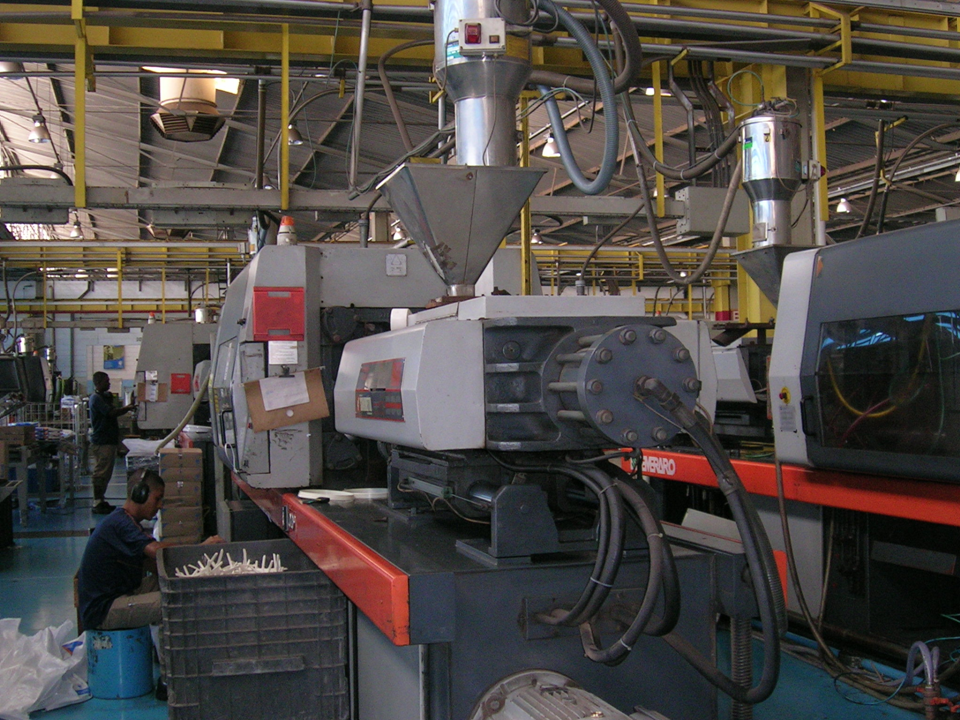
When a mold engineer sits down to quote a plastic part, the first decision isn't cavity count or steel grade—it's the molding process. Injection molding remains the workhorse for high-volume, tight-tolerance parts, but it’s far from the only option. For thin-wall enclosures, gas-assisted injection reduces sink marks and cuts clamp tonnage by up to 30%, while insert molding eliminates secondary assembly for threaded or metal-loaded components. For low-pressure, large-area parts like automotive door panels, low-pressure injection (LPIM) uses a fraction of the clamping force—typically under 50 tons—which means cheaper molds and lower energy bills. On the other hand, structural foam molding, which uses a chemical or physical blowing agent, yields parts with a cellular core that improves stiffness-to-weight ratio by 20–40% compared to solid sections, but it leaves a swirled surface that usually requires painting or a textured finish.
For elastomeric and thermoset parts, compression and transfer molding still dominate—especially for high-temperature or high-wear applications like seals and brake pads. Compression molding offers excellent material utilization (often above 95%) and minimal internal stress, but cycle times are long, typically 2–5 minutes for a 5-mm-thick section. Transfer molding, by contrast, shortens cycle time by pre-heating the charge, but it requires a more complex mold with a transfer pot and runner system, raising tooling cost by roughly 15–20%. For prototyping or short runs, reaction injection molding (RIM) is a smart pick: low-viscosity polyurethane or polyurea systems fill the cavity at low pressure, which allows for softer, lighter molds—aluminum or even epoxy—and parts can be demolded in under 10 minutes, though material cost per kilogram is about 30% higher than standard thermoplastics.
Choosing the right process isn’t just about the part geometry—it’s about the whole cost equation: tooling amortization, cycle time, scrap rate, and secondary operations. For example, multi-component injection (two-shot or overmolding) can eliminate a manual assembly step, but the mold cost easily doubles due to rotating cores and separate injection units. Similarly, gas-assist and water-assist injection can reduce cooling time by 15–25% for thick sections, but they require precise process control and often a dedicated gas or water injection unit. For foam-core sandwich structures, co-injection molding with a solid skin and foamed core can cut part weight by 10–15% while preserving surface quality—ideal for furniture and automotive interior trim. In every case, the mold engineer’s job is to match the process to the part’s functional requirements, production volume, and budget. For a deeper dive into process-specific mold design tips and cost benchmarks, visit MoldWorld at www.moldw.com—where sourcing real molds starts with the right process knowledge.