Injection Mold Base Selection: Matching Frame Structures to Production Realities
August 17, 2026
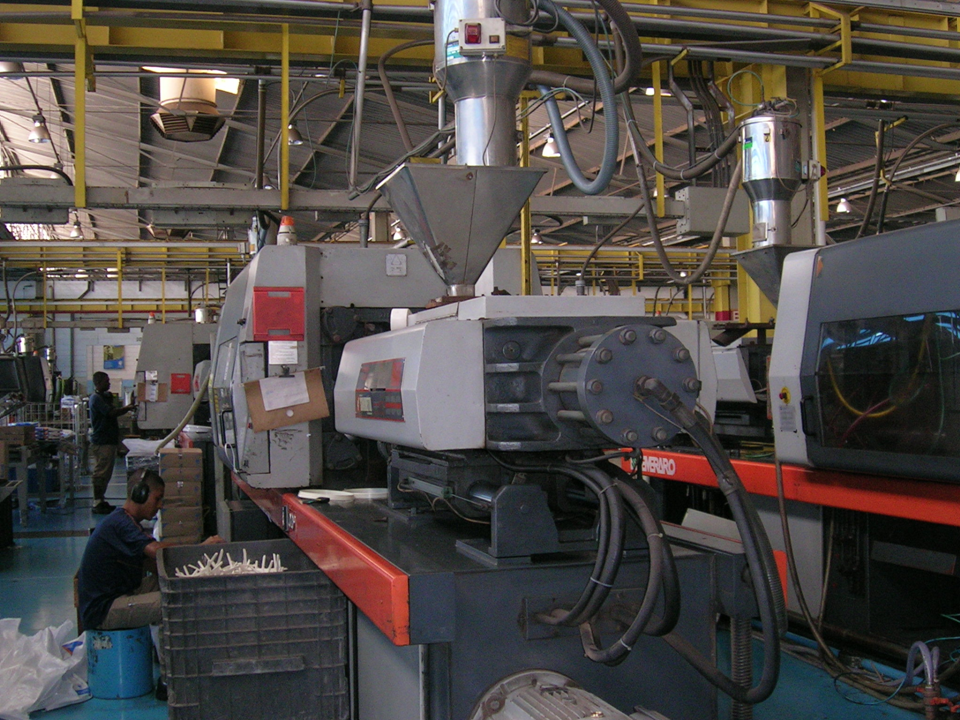
In injection mold design, the mold base (or frame) is not just a structural shell—it is the backbone that dictates tool life, cycle efficiency, and overall manufacturing cost. The core principle is matching the mold frame architecture to the specific molding strategy. For most conventional plastic parts, the two-plate mold remains the workhorse: its simplicity means lower machining costs, fewer moving components, and easier maintenance. However, when part surface quality is critical or multiple gate points are needed, a three-plate mold adds a runner plate that allows pinpoint gating and automatic runner drop. This eliminates secondary trimming but increases tool complexity and requires more precise alignment, so the added upfront cost must be justified by the part’s functional or aesthetic demands.
For parts with side holes, undercuts, or internal threads, a standard two-plate frame is insufficient. Here, the design engineer must integrate side-action slides or angled lifters (also called slant ejectors) into the mold base. Slides are driven by angled pins or hydraulic cylinders, while lifters use the ejection stroke to move the core inward or outward. The choice between them depends on the undercut depth and ejection direction. For shallow undercuts, a lifter is often cheaper and simpler; for deep or multi-directional features, a hydraulic slide system provides more reliable actuation but adds cycle time and maintenance points. Hot-runner systems, on the other hand, are best reserved for high-volume production where material savings and consistent gate vestige outweigh the higher initial investment and thermal control complexity.
In practice, the mold frame selection is a trade-off between tooling cost, cycle time, and part quality. A two-plate mold with a cold runner is still the most economical for short runs, while a three-plate or hot-runner design pays off in long production campaigns. Always verify the ejection stroke, platen size, and tie-bar spacing on your injection machine before finalizing the frame dimensions. For complex parts with multiple undercuts, consider modular slide inserts to reduce machining time. If you are sourcing a new mold or need a second opinion on frame selection, visiting MoldWorld (www.moldw.com) can connect you with experienced toolmakers and detailed technical comparisons—helping you avoid costly redesigns and get the right frame the first time.