Mold Costing Essentials: What Every Mold Engineer Must Know Before Quoting
August 17, 2026
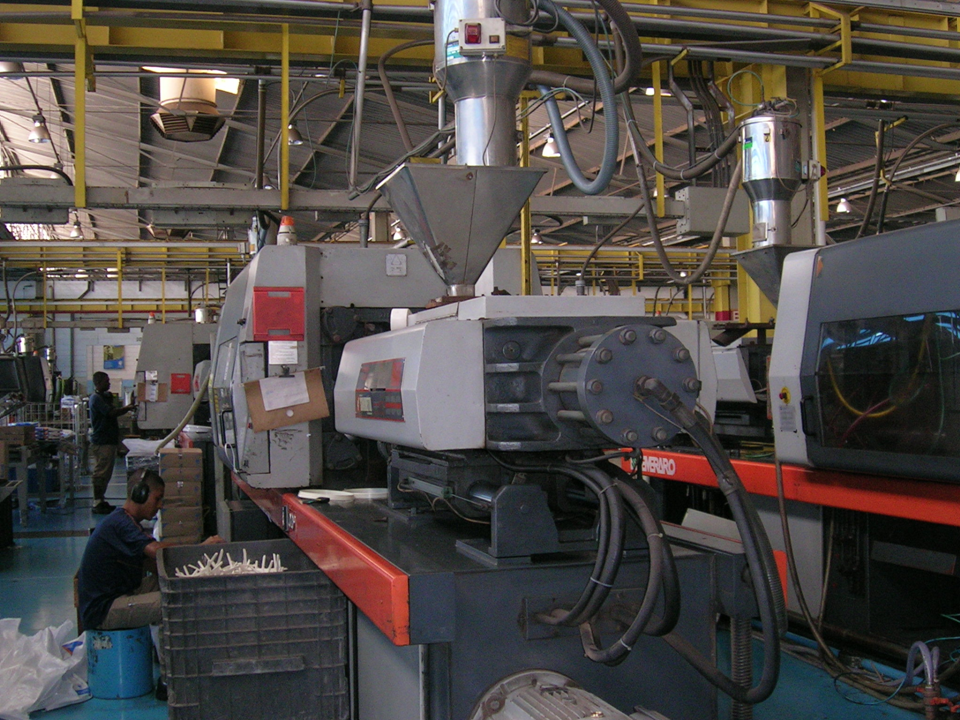
In the mold industry, a quote is never just a number—it’s a technical proposal backed by real engineering data. Before any quotation, we must first classify the mold correctly: by cavity count (single, multi, or family), by gating system (cold runner vs. hot runner), and by steel grade (P20, H13, S136, or 2344). Each choice directly affects cycle time, tool life, and unit cost. For example, a hot runner system adds 15–30% to the initial mold cost but can cut per-part cycle time by 20–40%, which is critical when annual volumes exceed 100,000 pieces. A mold engineer must also factor in shrinkage rates for specific resins—ABS at 0.5%, PC at 0.6%, and POM at 2.0%—since these dictate cavity dimensions and affect the final part tolerance.
When building a quotation, we break down costs into five pillars: design, materials, machining, assembly, and tryout. Design typically accounts for 10–15% of total cost, but a poor design can double machining time. Machining hours are calculated from CAM data—roughing, semi-finishing, and finishing passes—plus electrode burn time for EDM. For a typical 2-cavity injection mold with a 200×150 mm footprint, expect 120–180 hours of CNC work and 30–50 hours of EDM. Steel selection is another major lever: S136 for optical parts, H13 for high-heat applications, and 738 for general-purpose molds. Don’t forget side actions, lifters, and unscrewing mechanisms—each adds 5–15% to the quote and must be justified by part geometry.
Finally, always include a tryout and sampling phase in your timeline and budget. A standard mold trial runs 1–3 days, consuming 200–500 shots, and may require minor steel adjustments that add 10–20 hours of bench work. These costs are often underestimated, leading to margin erosion. For buyers, a transparent breakdown—separating mold base, core/cavity inserts, hot runner, and standard parts—helps compare quotes fairly. And if you’re sourcing molds from overseas, always verify the supplier’s capability in DFM reports and mold flow analysis before committing. For more mold sourcing tips and verified supplier lists, visit MoldWorld (www.moldw.com) to make your next quote a confident one.