Title: Plastic Mold Structure and Process Essentials Every Mold Engineer Must Master
August 17, 2026
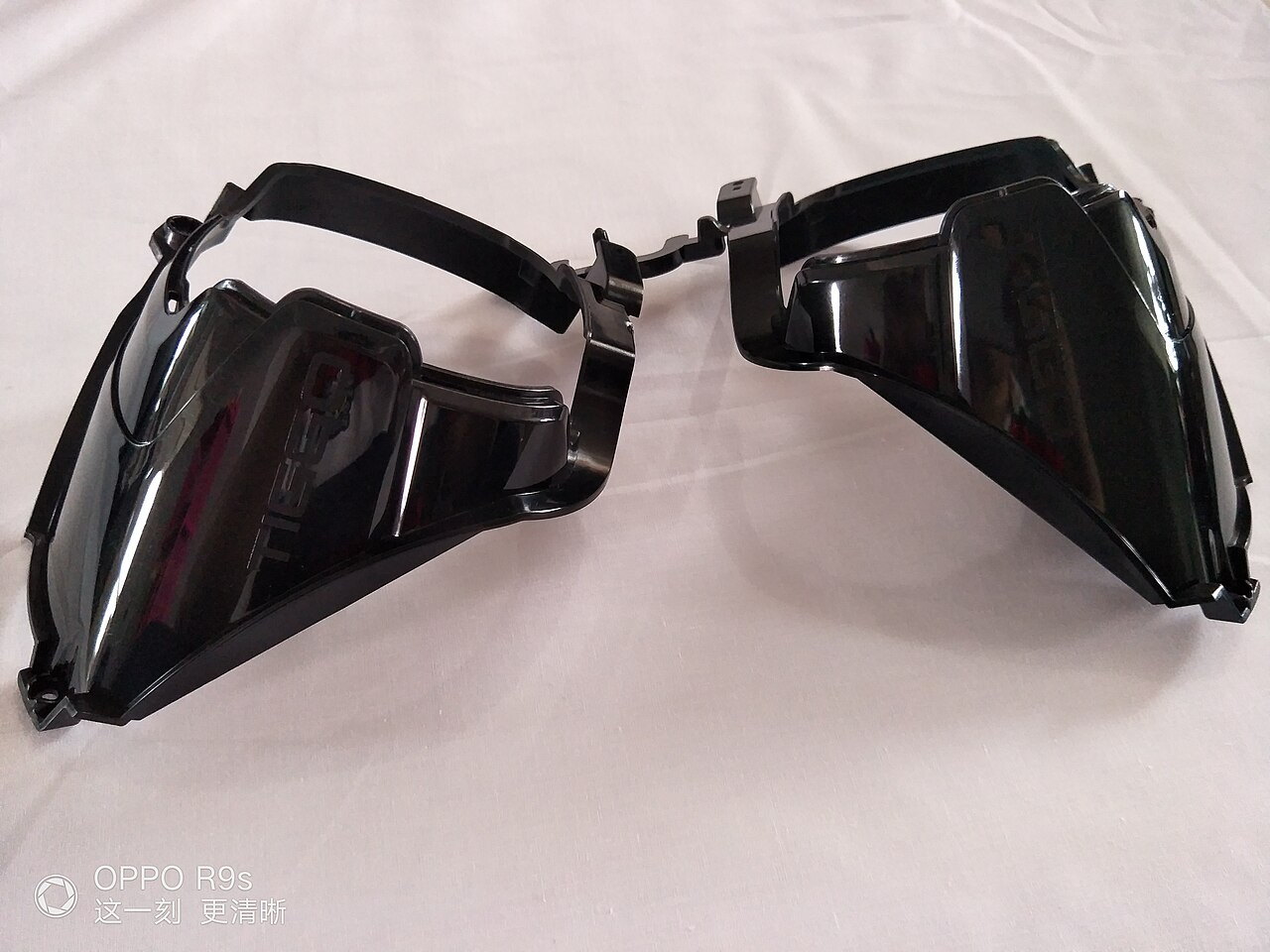
When quoting a plastic injection mold, the first thing I check is not the part volume but the mold structure complexity. A simple two-plate mold with a cold runner and side action can cost 30–40% less than a three-plate design with hot runner and lifters. For a typical housing part of 200×150×50 mm, a standard two-plate mold with one side slider runs about 8–12 weeks lead time, while a hot runner system adds 2–3 weeks and roughly $3,000–$5,000 in tooling cost. The gate type also drives cycle time: a tunnel gate can cut cycle by 5–8 seconds compared to a direct sprue gate, which directly impacts part price per thousand units.
Process parameters are where most mold issues surface. For ABS, a melt temperature of 220–250°C and mold temperature of 40–80°C is typical, but if you run a PC/ABS blend, you need to raise mold temp to 80–100°C to avoid flow marks. Cooling line layout is often overlooked in quoting—if the core side has insufficient cooling, cycle time stretches by 15–20%, and part warpage increases. I always verify the steel grade: P20 for low-volume prototypes, H13 or S136 for production runs above 100,000 cycles. S136 with 48–52 HRC adds about 15% to mold cost but prevents corrosion and polish issues on transparent or glossy parts.
For accurate quoting, break down the mold cost into design, machining, electrode, assembly, and tryout. A typical 16-cavity mold for a cap part will have electrode cost around 12–18% of total, while a 1-cavity mold for a large panel might see electrode cost drop to 6–8%. Always include a 10–15% contingency for engineering changes during tryout—this is not a markup, it’s a buffer for real-world adjustments like gate balancing or venting. If you’re sourcing molds overseas, verify the supplier’s experience with similar part geometry and request a DFM report before committing. For more mold sourcing insights and supplier comparisons, visit MoldWorld at www.moldw.com.