Injection Molding Process and Mold Design: Practical Insights for Production Stability
August 17, 2026
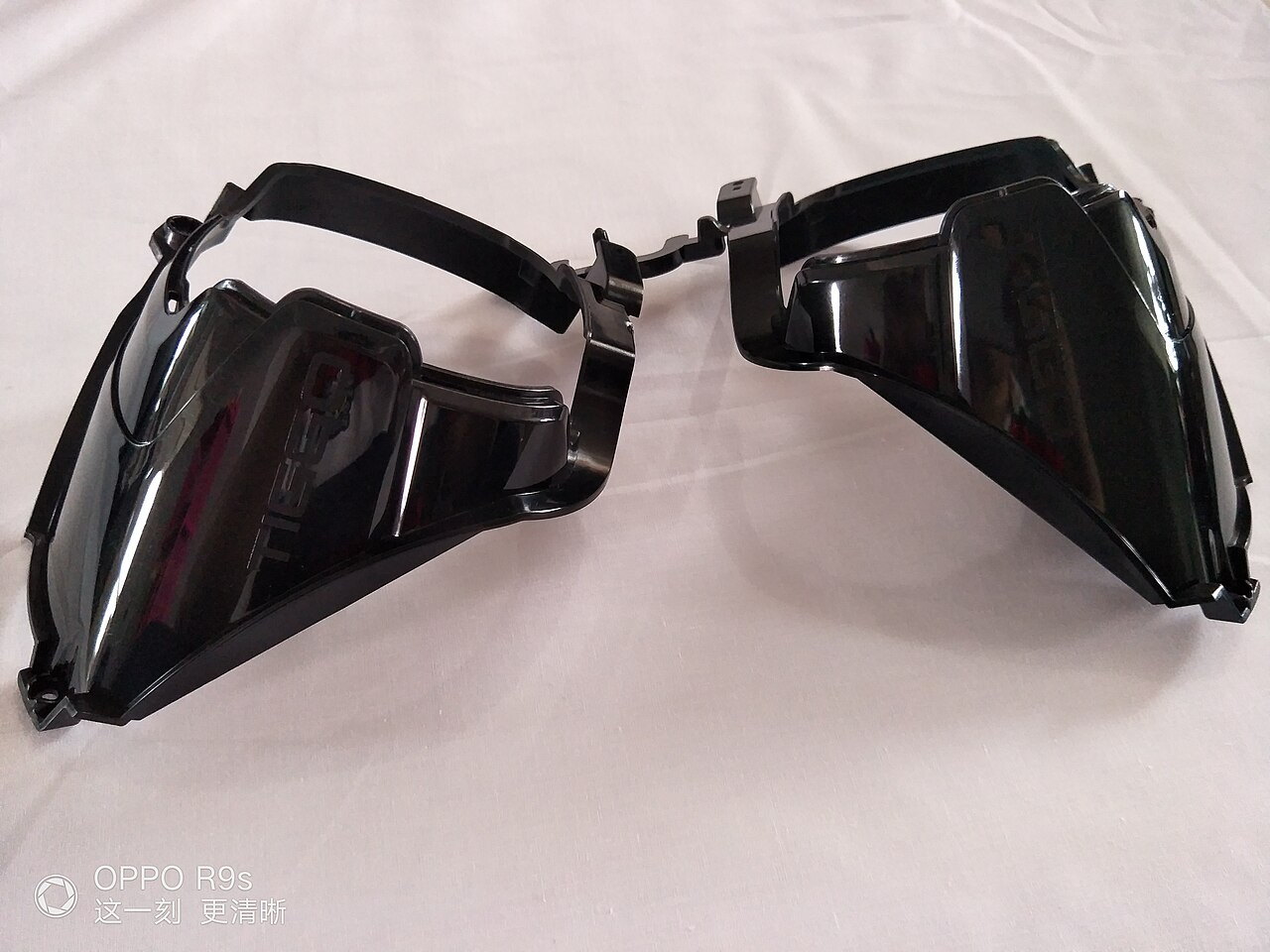
For any injection molding project, the first step is establishing a stable process window before touching the mold. In practice, melt temperature should be set 10–20°C above the material’s recommended minimum, but never exceed the degradation limit—for ABS, that’s roughly 240°C, while POM should stay below 210°C. Injection speed profiling matters more than most assume: a slow first stage (10–20 mm/s) prevents jetting, a fast fill (40–60 mm/s) reduces flow marks, and a final deceleration avoids over-packing near the gate. Holding pressure should be 50–70% of injection pressure, with a switchover point at 95–98% of cavity fill. Cooling time, often underestimated, follows the rule of thumb: 1.5–2.0 seconds per millimeter of wall thickness for amorphous resins, and 2.5–3.0 seconds for semi-crystalline ones. If you see sink marks or warpage, check packing first, not mold steel.
Mold design must align with these process realities. Gate location and type dictate flow length and pressure drop—for a 2-mm wall, the maximum flow length to wall thickness ratio should stay under 150 for ABS and 100 for glass-filled nylon. Use a fan gate or tab gate for large flat parts to minimize orientation stress, and always add a cold slug well at the sprue base to trap the first, cooler melt. Venting is non-negotiable: depth should be 0.02–0.03 mm for unfilled resins and 0.01–0.015 mm for filled grades, placed at the end of fill and along weld lines. For cooling, aim for a turbulent flow (Reynolds number above 4000) in 8–10 mm diameter channels, spaced 2–2.5 times the channel diameter from the cavity surface. This alone can cut cycle time by 15–25% compared to straight drilling. Also, consider a hardened insert at the gate area—tool steel like H13 or S7—to resist erosion from high-velocity melt, especially with glass-filled materials.
Finally, do not overlook shrinkage and ejection. For unfilled ABS, shrinkage is 0.5–0.7%; for 30% glass-filled PBT, it drops to 0.2–0.4%, but anisotropy becomes a real issue. Design ejection with a minimum draft angle of 1° per side on side walls and 2° on deep ribs. Use ejector pins with a diameter of at least 3 mm to avoid buckling, and place them near the gate and thick sections where sticking is most likely. If you experience weld line weakness, increase mold temperature by 10–15°C and add a vent at the weld line—this often solves more problems than changing resin. For a full breakdown of mold sourcing, material selection, and tooling quotes, visit MoldWorld (www.moldw.com) for verified suppliers and practical engineering guides.