Mold Structure and Process: The Engineering Fundamentals That Decide Quoting Accuracy
August 16, 2026
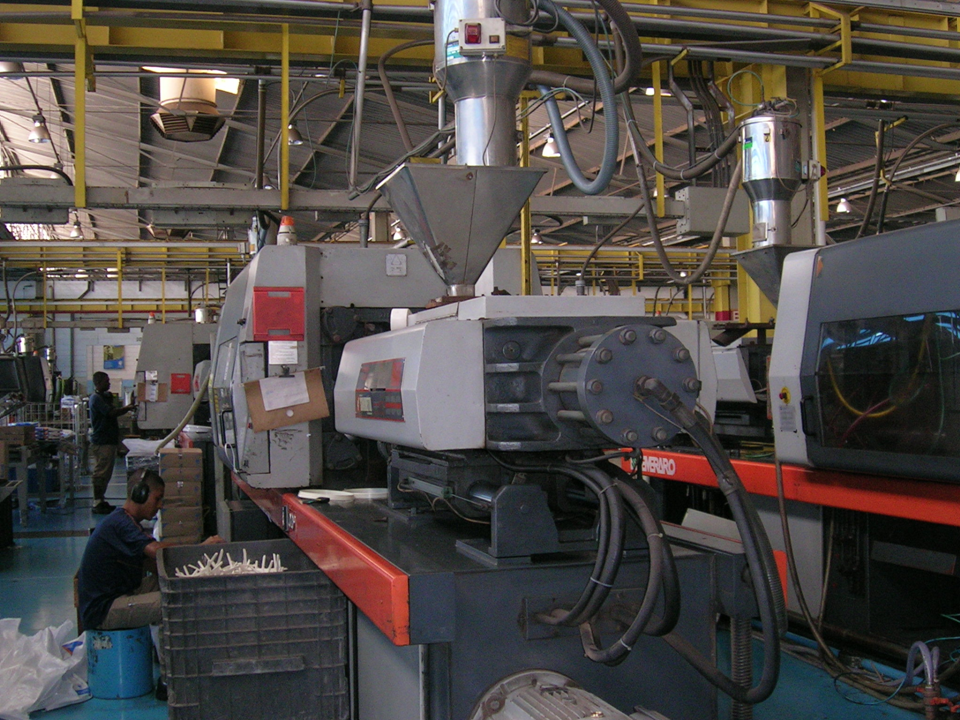
In daily quoting work, the first thing I check is not the part geometry but the mold base configuration and the ejection system. A standard two-plate mold with a simple ejector pin layout might run 20–30% cheaper than a three-plate design with a hot runner and lifters, even for the same cavity count. For example, a 2-cavity family mold for a 50mm-diameter housing with side actions will push the base price up by roughly $1,200–$1,800 compared to a straight-pull design, purely because of the added slide mechanisms and their corresponding wear plates, gibs, and cooling channels. If you quote without verifying the slide travel and the required angle pin length, you risk underestimating the machining hours by 15–20%.
Process parameters are equally decisive. For a typical ABS part with 1.5mm wall thickness, the recommended injection pressure sits around 80–100 MPa, but the actual clamp tonnage needed depends on the projected area and the flow length ratio. A common rule I use is 2–3 tons per square inch of projected area, but that fails when the part has deep ribs or a long flow path—then you need to add 10–15% more tonnage, which directly affects the machine rate in the quote. Cooling time, often 40–50% of the cycle, is another trap: a 2mm wall in PC will require roughly 25–30 seconds of cooling at a mold temperature of 80°C, while a similar ABS part only needs 12–15 seconds. Missing that difference can skew your cycle cost by $0.05–$0.08 per shot.
For anyone preparing a quote, always cross-check the draft angle against the ejection force, especially for textured surfaces—a 0.5° draft on a 50mm deep core can increase ejection force by nearly 40%, forcing you to add more ejector pins or a stripper plate. That’s a real cost adder. And never forget to verify the mold steel selection: P20 for low-volume prototypes, H13 for high-heat or abrasive resins, and S136 for optical or food-grade parts. Each steel grade shifts material cost by 10–25%, and the heat treatment cycle adds lead time. These are the hard skills that separate a rough guess from a defensible quote. For more mold sourcing and quoting benchmarks, visit MoldWorld at www.moldw.com—they keep a solid database of real tooling costs and process limits.