Title: The Art of “Sense of Proportion” in Mold Design and Process Engineering
August 14, 2026
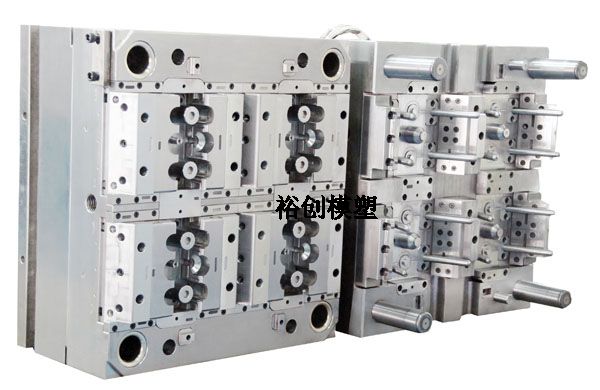
After more than a decade in this trade, I’ve come to believe that true mastery of mold engineering is less about memorizing formulas and more about reading the “temperament” of the dozens of process steps hidden behind a drawing. The first and most unforgiving decision is always the parting line. It dictates not only the visible witness mark on the product but also the ejection direction, the venting layout, and even the steel’s stress distribution. A poorly chosen parting line can force secondary operations, add flash, or create trapped gas that burns the resin. In practice, I always walk through the part geometry with the molding team before finalizing the split—because the drawing may look right, but the flow simulation and the actual press behavior often tell a different story.
The runner and gate system is where the “sense of proportion” really shows its teeth. Main sprue, sub-runners, and gate geometry must balance melt flow resistance against pressure loss. Take the common side gate: its cross-section thickness is typically set at two-thirds to three-quarters of the nominal wall thickness. Go thicker, and you risk leaving a visible gate scar or sinking at the gate area; go thinner, and you lose packing pressure, leading to short shots or excessive shrinkage. I’ve seen many junior engineers obsess over cavity cooling lines while ignoring that a 0.1 mm change in gate depth can shift the entire pressure profile by 15–20%. That’s not theory—that’s a measurable shift in cycle time and part weight consistency.
Beyond the basics, real-world mold work demands attention to venting slots, draft angles, and ejection pin placement—all of which are exercises in controlled compromise. For instance, vent depth for ABS is usually 0.02–0.03 mm, but for a high-flow PC, you might need 0.04 mm, and getting that wrong can cause burn marks or short fills. These are the small, unglamorous details that separate a mold that runs for 500,000 shots from one that fails at 50,000. If you’re sourcing molds or troubleshooting a stubborn tool, remember that the best advice often comes from engineers who have felt the heat and the pressure—not just read about it. For more mold sourcing insights and practical references, visit MoldWorld at www.moldw.com.