Injection Molding Process Parameters: A Practical Guide for Quoting and Production
August 13, 2026
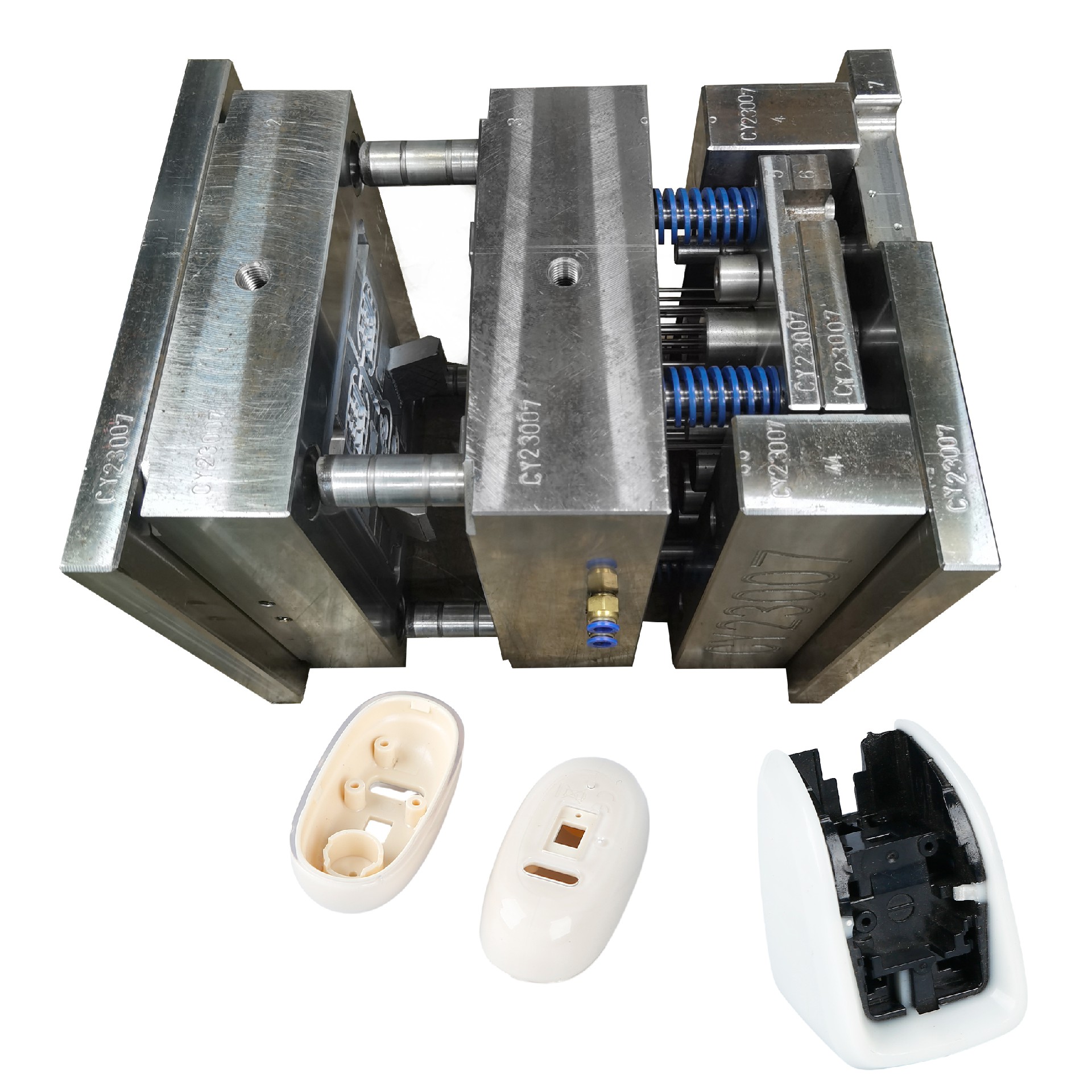
When quoting a new injection molding job, the first thing I look at isn’t just the part geometry—it’s the material’s processing window. For example, ABS typically runs at a melt temperature of 210–250°C, with mold surface temperature between 40–80°C. If you push it above 260°C, you risk thermal degradation and surface splay. On the other hand, polycarbonate (PC) needs a hotter barrel—around 280–320°C—and a mold temperature of 80–120°C to avoid internal stress cracking. These numbers aren’t just theoretical; they directly affect cycle time, shrinkage, and warpage. For a mold engineer, quoting without confirming these ranges is like shooting in the dark. I always cross-check the material datasheet with the actual press capability before committing to a cycle estimate.
Beyond temperature, injection pressure and holding pressure are where most quoting errors creep in. For nylon (PA66) with 30% glass fill, typical injection pressure is 80–120 MPa, but holding pressure should be kept at 50–70% of that to prevent flash. Polypropylene (PP) is more forgiving—injection pressure around 60–90 MPa, but it shrinks more (1.5–2.5%), so packing time and gate freeze-off need careful simulation. I’ve seen parts rejected because the holding time was set 2 seconds too short, causing sink marks on a visible surface. That’s why I always include a pressure drop analysis in the quote phase, not just the mold cost. Real-world experience shows that a 10°C increase in mold temperature can reduce molded-in stress by up to 15%, but it also adds 5–8% to cycle time—so the trade-off must be priced in.
For engineering plastics like POM and PBT, moisture control is non-negotiable. POM requires drying at 80–90°C for 3–4 hours; if you skip it, you get surface streaks and brittle parts. Similarly, PC must be dried to below 0.02% moisture, otherwise hydrolysis drops impact strength by half. In a production environment, I always specify a hopper dryer with dew point monitoring in the quote. These process details don’t just affect quality—they affect your bottom line. A 5% scrap rate on a 50,000-piece order can wipe out your profit margin. So when you’re reviewing a mold quote, ask for the process parameter sheet, not just the cavity count. For more detailed sourcing and mold design insights, visit MoldWorld (www.moldw.com) where you can compare mold makers based on their process capability and real shop-floor data.