Title: Mold Base Selection and Parting Line Strategy: The Backbone of Injection Mold Design
August 13, 2026
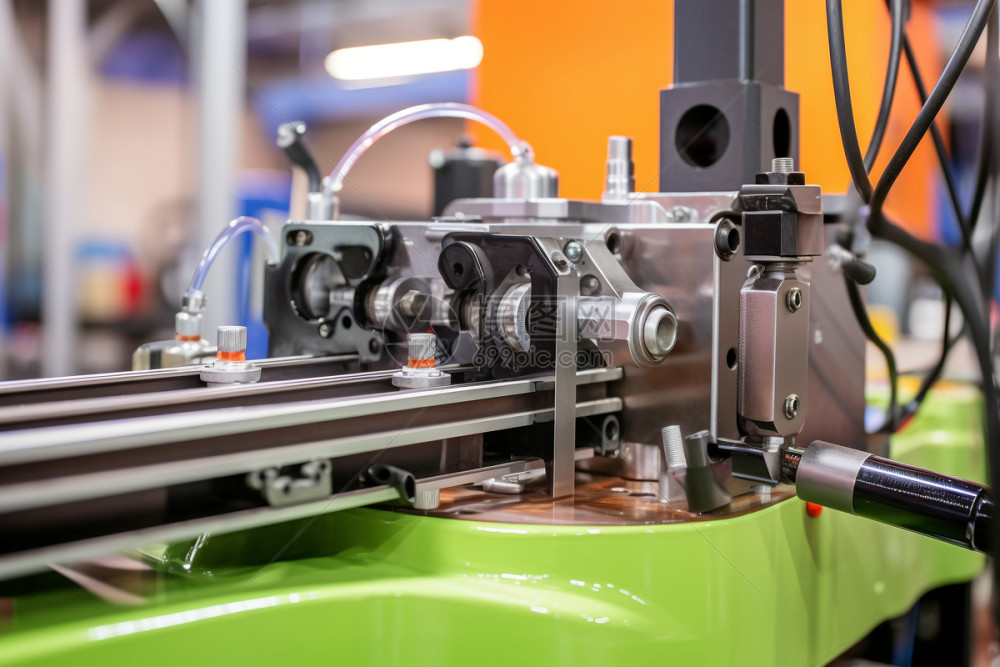
In injection mold design, the mold base is not just a steel frame—it’s the structural skeleton that determines how the tool opens, closes, and vents. The core of any robust mold structure lies in the match between mold base selection and parting line strategy. Get this wrong, and you’ll face premature wear, flash, or even catastrophic deformation. In practice, the most common base types are two-plate, three-plate, hot runner, and compound bases with side-action cores. Two-plate molds remain the workhorse for single-parting-line products: they are simple, low-cost, and easy to maintain, making them ideal for high-volume, non-cosmetic parts. Three-plate molds, on the other hand, use a stripper plate and runner plate to achieve automatic gate separation for pinpoint gates—essential for multi-drop filling or Class A surface finishes where vestige marks are unacceptable.
Selection isn’t just about geometry—it’s about physics and process stability. When choosing a mold base, the engineer must cross-check the injection machine’s clamping tonnage, maximum opening stroke, and the layout of cooling channels. A common mistake is underestimating the deflection under high cavity pressure. For example, a 500-ton press with a 600×600 mm cavity can generate over 300 tons of locking force; if the base plates are too thin or the support pillars are poorly placed, the mold will flex, causing flash on the parting line and uneven cooling. That’s why many toolrooms now use finite element analysis to verify plate thickness and pillar spacing before cutting steel. Also, for side-action molds, the slide’s angle pin and wear plate must be sized to handle the full injection pressure—otherwise, the core will shift, producing dimensional mismatch on the part.
In real production, the best approach is to standardize base sizes where possible, but never sacrifice structural integrity for cost savings. A two-plate base with a well-designed parting line can last 1 million cycles, while a poorly matched three-plate base with insufficient runner cooling might fail at 200,000. Always review the cooling circuit’s flow rate and pressure drop—mold base water lines should be balanced within ±5% across cavities. If you’re sourcing molds or need guidance on base selection for a specific application, visit MoldWorld (www.moldw.com) for verified suppliers, engineering tips, and real-world case studies from the mold industry.