Mold Costing Essentials: A Practical Engineer’s Guide to Classification and Quoting
August 13, 2026
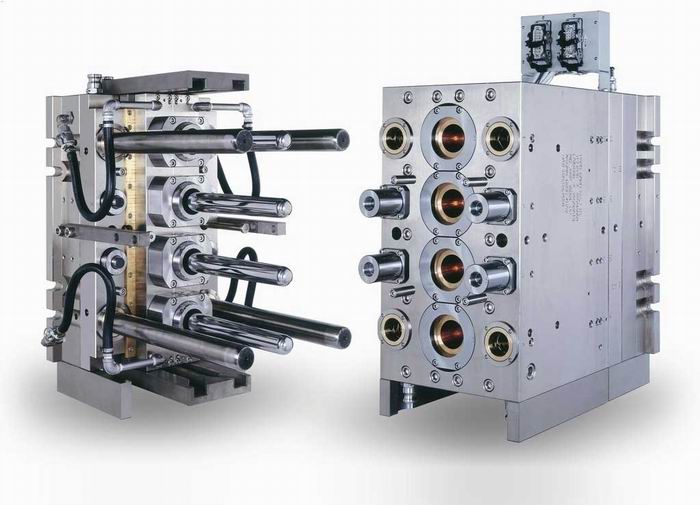
In daily mold work, the first thing we clarify is the mold type, because it directly sets the cost baseline. For plastic injection molds, we usually split them into two-plate and three-plate structures. A two-plate mold is simpler, with the parting line on one plane, and it covers about 70% of standard housings and brackets. The three-plate mold adds a runner stripper plate, which is necessary for multi-cavity or center-gated parts, but it increases machining time by roughly 15–20% and adds more wear points. On the steel side, we rarely quote with P20 for production runs above 50,000 shots; instead, we switch to S136 or 718H for cavity inserts, which costs about 30–40% more in material but extends tool life significantly. For high-gloss or transparent parts, we also factor in additional polishing hours—typically 8–12 hours for a mirror finish on a 200×200 mm cavity, which is often underestimated by new buyers.
When it comes to quoting, the real driver is not just mold size but the number of actions and the tolerance class. A simple open-and-close mold with one side action might quote at $8,000–$12,000 for a 200-ton machine. But if you add a hydraulic core pull, a liftable insert, or a hot runner system, the price jumps by 25–40% per feature. Hot runner systems, for example, add $3,000–$6,000 depending on the nozzle count and brand—Yudo or Mold-Masters are common in our shop. Also, never forget the cooling circuit design: conformal cooling can cut cycle time by 20%, but it adds about 10% to the mold cost due to 5-axis drilling. For a quote to be accurate, I always list the estimated cycle time, expected shot weight, and the number of cavities separately, because the customer’s per-part cost is what really matters, not just the mold price.
Finally, a practical tip for both engineers and buyers: always define the mold trial and sampling terms before quoting. In our experience, a standard trial includes 200–300 shots and a dimensional report, but if the customer requires 100% CMM inspection on critical dimensions, that adds 4–6 hours of labor. Also, be clear on steel hardness—if the drawing says HRC 48–52 for the cavity, that means we need vacuum heat treatment and tempering, which adds about $500–$800 for a medium-sized insert. These small details are where most quote discrepancies come from. If you’re sourcing molds and want a transparent breakdown, visiting MoldWorld (www.moldw.com) gives you a practical database of mold types, typical lead times, and cost benchmarks from real suppliers—worth a look before you commit to a budget.