Injection Mold Structure Design: 24 Proven Approaches Every Mold Engineer Must Master
August 12, 2026
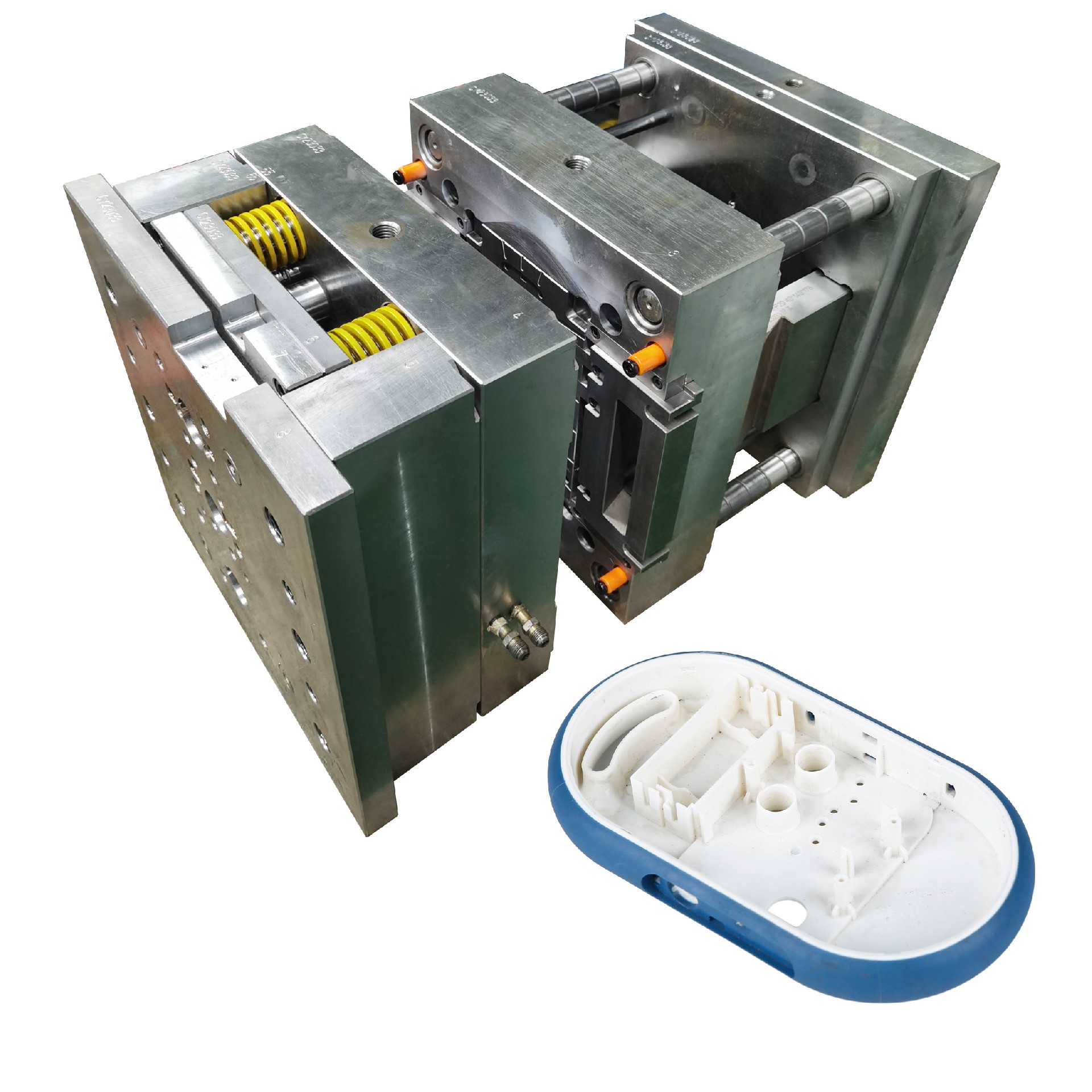
For any mold engineer, mastering the 24 standard injection mold structures is non-negotiable—they form the backbone of our daily problem-solving. Starting with the two-plate mold, it remains the workhorse for most conventional plastic parts due to its simple construction and low cost. However, when a part features internal undercuts, side holes, or complex geometries, the two-plate design quickly hits its limits. That’s where slide cores, lifters, or a three-plate mold come into play. The three-plate mold, equipped with a puller plate and positive-distance parting mechanism, excels at automatically stripping pinpoint gate remnants—a critical advantage for cosmetic parts. Yet, this added functionality increases overall mold height and tooling cost, so we must carefully weigh cycle time and part quality against the initial investment.
Beyond these basics, the selection logic extends to more specialized configurations. For deep-drawn parts, a stripper plate design reduces ejection stress and prevents deformation. For high-volume production, hot runner systems eliminate runner waste and shorten cycle times, but they demand precise temperature control and higher maintenance expertise. Stack molds, on the other hand, double output without increasing clamping force—ideal for flat, shallow parts like caps or lids. Each structure carries its own trade-offs: a slide mechanism adds machining complexity, a hydraulic core puller requires auxiliary equipment, and a two-stage ejection system complicates the mold base. The key is matching the structure to the part’s dimensional tolerances, annual volume, and allowable unit cost.
In practice, I always tell junior engineers to start with the simplest structure that meets the functional requirements, then upgrade only when validation data—such as warpage, sink marks, or weld lines—proves the need. Over-engineering a mold with unnecessary slides or multi-action systems not only inflates the budget but also increases the risk of downtime during production. Keep a reference library of these 24 designs, and update it with real case studies from your shop floor. For more detailed mold sourcing strategies, tooling cost benchmarks, and supplier comparisons, visit MoldWorld at www.moldw.com—it’s a solid resource for staying current on practical mold engineering solutions.