Injection Mold Frame Selection: Matching Structural Design with Product Demands
August 10, 2026
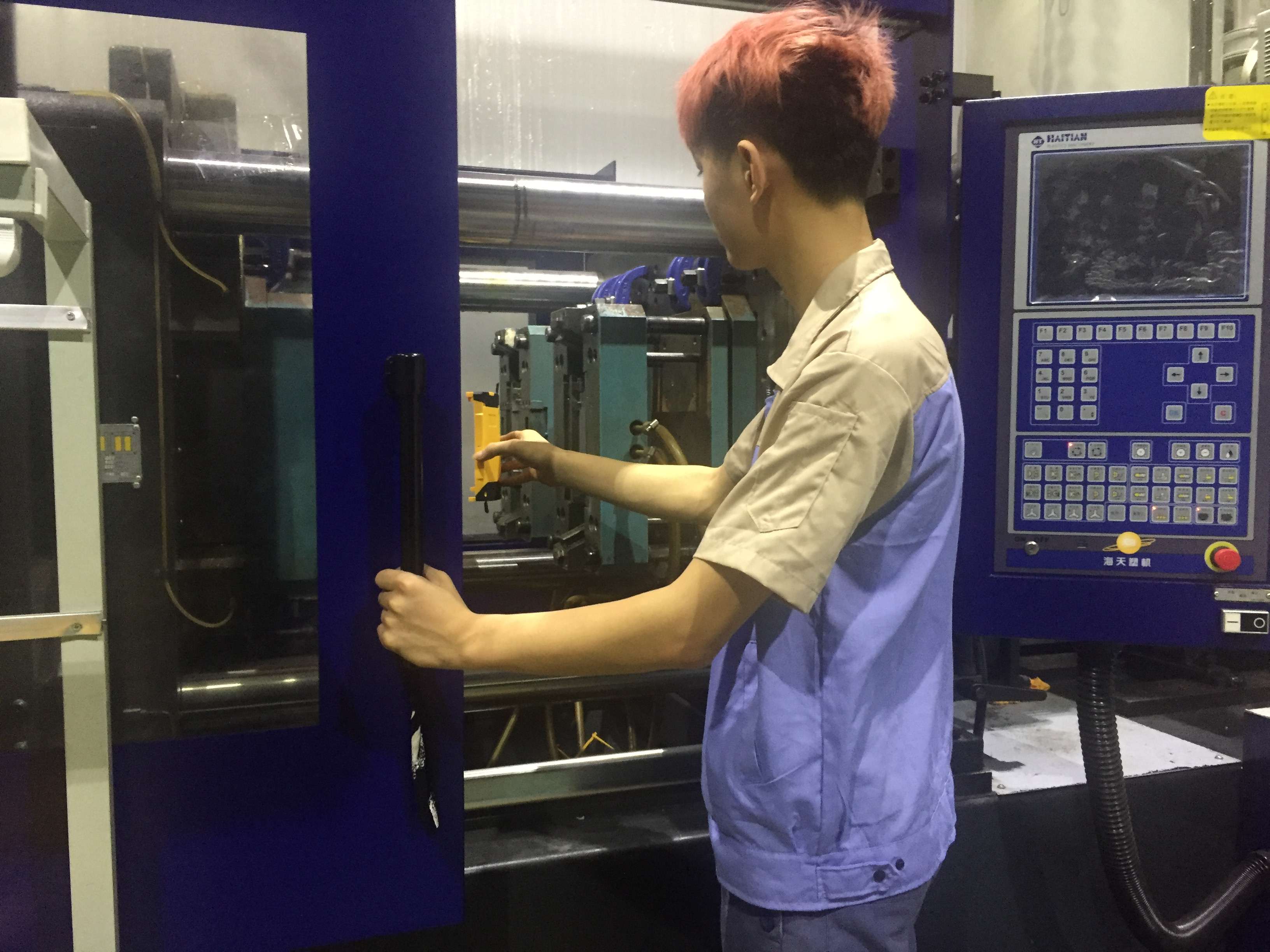
When designing an injection mold, the core decision rarely starts with cavity layout or cooling channels—it begins with the mold frame. The two-plate mold remains the workhorse for most enclosure parts, offering a simple structure, short opening stroke, and lower manufacturing cost. Its main limitation is gate placement: the gate is typically located at the parting line, which restricts feeding flexibility for parts with complex internal geometries or strict cosmetic surfaces. For a typical housing component with a wall thickness of 2.0–2.5 mm, a two-plate frame with a standard sprue bushing and a single parting line is often sufficient, keeping tooling lead time around 25–30 days.
When surface quality becomes critical—such as for transparent lenses, precision gears, or parts with no visible gate marks—the three-plate mold is the go-to solution. By adding a runner plate, the three-plate design allows for pinpoint gating that automatically detaches from the part during ejection. This eliminates secondary gate trimming and improves part aesthetics. However, the trade-off is real: the mold height increases by approximately 30%, which directly impacts the required machine platen size and daylight opening. For a 250-ton press with a maximum mold height of 550 mm, a three-plate frame may push the stack height beyond the limit, forcing a move to a larger tonnage—raising hourly machine rates by 15–20%.
For high-volume production or multi-cavity layouts, hot-runner mold frames offer the best cycle-time advantage, eliminating cold runners and reducing regrind. Yet the initial investment is 40–60% higher than a cold-runner equivalent, and the added complexity of temperature controllers and manifold seals demands experienced maintenance. In practice, I recommend hot runners only when annual production exceeds 200,000 parts or when material costs are high, such as with PEEK or LCP. No single frame type is universally superior—the right choice depends on part geometry, annual volume, and available press capacity. For more mold sourcing insights and frame selection data, visit MoldWorld (www.moldw.com) for detailed supplier comparisons and engineering guides.